Introduction: Why Germany, Why Now
Germany is one of Europe’s most sustainability-driven markets. From renewable energy adoption to ambitious recycling programs, the country has long been a pioneer in environmental policy. This green consciousness extends into consumer goods, particularly in the tissue and hygiene sector, where eco-friendly products are increasingly in demand.
Toilet paper is a household staple in Germany, with per-capita consumption among the highest in the world. Yet the traditional reliance on wood pulp has raised concerns about deforestation, carbon emissions, and the long-term stability of raw material supply. At the same time, German consumers are willing to pay more for sustainable and premium alternatives that align with their values.
In this landscape, bamboo toilet paper stands out as a compelling solution. Made from fast-growing, renewable bamboo fibers, it offers softness and durability while significantly reducing environmental impact. For importers, distributors, and private label brands, Germany represents a unique opportunity to build a future-proof product line that resonates with both regulators and eco-conscious shoppers.
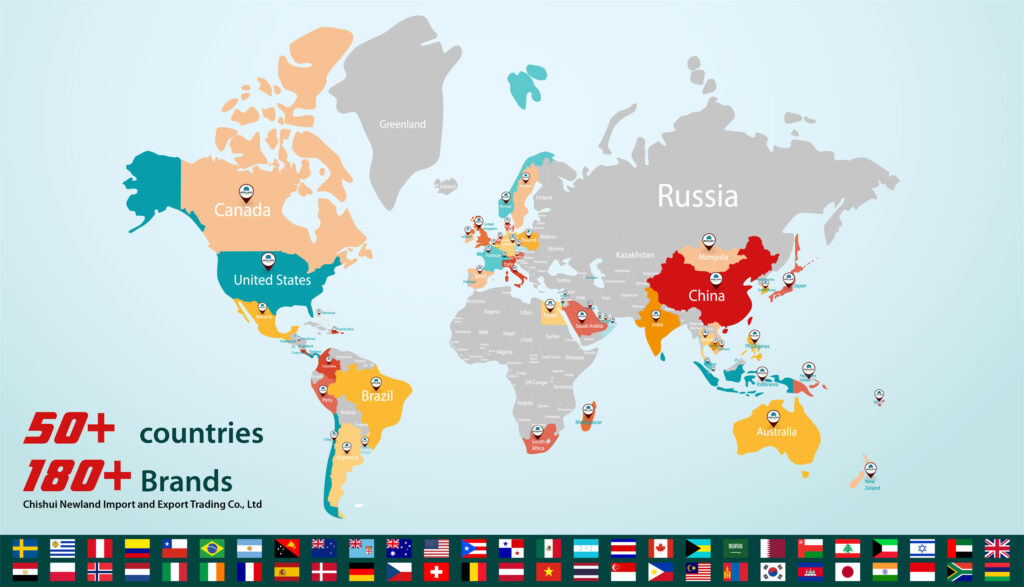
At Newland Bamboo, we operate from Guizhou, China—a region rich in sustainable moso bamboo resources. With 25+ automated production lines, a 30,000+ m² manufacturing base, and a monthly output of over 400 containers, we supply FSC-certified bamboo toilet paper to more than 180 brands in 50+ countries. Our global experience and complete certification support make us a trusted partner for companies looking to enter or expand in Germany.
This guide will walk you through Germany’s bamboo toilet paper market, covering consumption trends, retail channels, regulatory requirements, material comparisons, logistics considerations, and how to leverage Newland Bamboo as your supplier.
Market Overview: Tissue Consumption & Demand in Germany
Germany is one of the largest tissue markets in Europe, with per-capita toilet paper consumption estimated at over 12 kilograms per person annually, higher than the EU average. German households purchase toilet paper not only for daily use but also value multipack convenience, softness, and sustainability attributes.
Key market insights:
- The German tissue paper market size was valued at several billion euros in 2024 and is projected to grow steadily through 2029 (Statista).
- Per-capita toilet paper consumption in Germany consistently ranks among the highest in Europe, making it a resilient category even during economic fluctuations.
- The premium tissue segment is expanding, driven by consumer demand for comfort, skin-friendly materials, and eco-credentials.
For importers and private label brands, this creates a fertile environment to introduce differentiated products such as bamboo toilet paper, which combines high performance with sustainability.
Consumer Trends: Sustainability & Premium Shift
German consumers are among the most environmentally aware in Europe. Surveys show that:
- Over 70% of Germans consider sustainability important when making purchasing decisions (Statista, 2024).
- A majority of households already buy recycled toilet paper, but younger consumers increasingly seek premium eco-friendly alternatives that combine comfort with responsibility.
- Minimalist, natural aesthetics resonate with German buyers—simple packaging, clear labeling (e.g., “FSC-certified” or “plastic-free”), and transparent sourcing details help brands stand out.
For B2B buyers, this means that adding bamboo toilet paper lines is not only an ethical decision but also a commercially strategic one. Retailers and distributors are more likely to onboard products that help them meet consumer expectations around sustainability.
Distribution Channels: Navigating the German Retail Landscape
Understanding where and how bamboo toilet paper sells in Germany is critical for importers and brand owners. Unlike other markets, Germany’s retail landscape is heavily shaped by discounters and strong supermarket chains.
- Discounter Chains (Aldi, Lidl)
- Dominate Germany’s grocery market with large volumes and competitive pricing.
- Increasingly experiment with eco-friendly and private label sustainable products.
- Entry requires price competitiveness and reliable supply capacity.
- Supermarkets & Hypermarkets (REWE, EDEKA, Kaufland, Globus)
- Core channels for branded and premium tissue paper.
- REWE and EDEKA in particular have sustainability sourcing commitments and demand suppliers with international certifications.
- German consumers often trust supermarket private labels, making private label bamboo toilet paper a promising entry route.
- Drugstores (dm, Rossmann)
- Strong in personal care and household essentials.
- Both chains are pioneers in offering eco-certified paper products and could be key partners for bamboo tissue lines.
- E-commerce Platforms (Amazon.de, OTTO, Zalando Home)
- Essential channels for new brands entering Germany.
- Amazon.de is the largest e-commerce marketplace in Europe, where eco-friendly and sustainable household products are among the fastest-growing categories.
- Shipping costs for bamboo toilet paper from China are a crucial factor for online sellers, as logistics efficiency directly affects retail price competitiveness.
- HORECA Sector (Hotels, Restaurants, Cafés)
- Germany’s hospitality industry values sustainability for branding and customer experience.
- High-volume buyers such as hotels prefer palletized shipments and bulk packaging to optimize costs.
- Bamboo toilet paper can be positioned as part of a premium guest experience in eco-friendly accommodations.
For B2B importers, aligning product specifications (roll size, ply, packaging) with each channel’s customer profile is key to maximizing sales.
Regulatory Environment: EU & German Sustainability Policies
Germany enforces some of the strictest environmental regulations in Europe, making compliance a non-negotiable prerequisite for market entry.
- EU Circular Economy Action Plan (CEAP): Emphasizes reducing single-use materials, promoting recycling, and encouraging renewable alternatives.
- German Packaging Act (VerpackG): Requires producers and importers to register packaging volumes with the LUCID Packaging Register, ensuring compliance with recycling quotas.
- Certification Requirements:
- FSC or PEFC for responsible forestry sourcing
- EU Ecolabel for environmental performance standards
- OK Compost / TÜV Austria certification for compostability claims
- Corporate Sustainability Reporting Directive (CSRD): Increasingly pushes German retailers and distributors to disclose their supply chain sustainability metrics, incentivizing partnerships with certified suppliers.
Importers that prepare compliance documents in advance will have a significant advantage in negotiations with German retailers.
Bamboo vs. Wood Pulp Tissue in the German Context
- Resource Dependence: Germany imports most of its wood pulp, making it sensitive to global price volatility and supply risks. Bamboo, sourced sustainably from Asia, provides a stable alternative with faster regrowth cycles (3–5 years vs. 20–50 years for trees).
- Environmental Benefits: Bamboo absorbs more CO₂ per hectare than traditional forestry and grows without pesticides, aligning with German consumers’ eco-values.
- Product Performance: Bamboo fibers are naturally long and smooth, producing toilet paper that is both soft and strong, outperforming many recycled paper options.
- Cost Stability: While initial prices can be slightly higher than recycled tissue, bamboo’s resilience against global wood pulp shortages makes it a strategically safer material for long-term planning.
Bamboo vs. Recycled Paper Tissue in Germany
- Recycled Paper in Germany:
- Widely adopted, supported by government campaigns since the 1990s.
- Perceived as eco-friendly but often criticized for rough texture and less absorbency.
- Bamboo Toilet Paper Advantages:
- Comfort + Sustainability: Offers a softer feel without compromising eco benefits.
- Compostable & Biodegradable: Many bamboo products are FSC-certified and meet EU Ecolabel/OK Compost standards, making them attractive for environmentally conscious retailers.
- Premium Positioning: Fits the demand for higher-end, sustainable products, especially in urban areas where consumers value eco-credentials.
Import & Logistics: From China to Germany
One of the most critical considerations for B2B importers is logistics and cost management.
- Shipping Routes: Main corridors run from Chinese ports like Shenzhen, Ningbo, and Shanghai to Hamburg, Bremerhaven, and Wilhelmshaven.
- Freight Costs: Rising global container rates can affect margins. Managing shipping costs for bamboo toilet paper from China is essential for competitiveness.
- Customs & Compliance:
- Importers must register with Germany’s LUCID Packaging Register.
- VAT and applicable duties must be calculated in advance.
- Logistics Optimization:
- Palletized shipments ensure ease of handling for German supermarkets.
- Floor-loaded containers maximize capacity, suitable for high-volume importers.
Newland Bamboo’s Advantage for German Importers
At Newland Bamboo, we understand the challenges and opportunities of the German market.
- Trusted Worldwide: We proudly serve 180+ bamboo tissue brands across 50+ countries, including Europe, ensuring a track record of reliability.
- Manufacturing Scale: Our 30,000+ m² factory in Chishui, Guizhou, with 25+ automated production lines, delivers 400+ containers monthly, ensuring stable, large-scale supply.
- Sustainable Certifications: We provide full certification support—FSC, BRC, BSCI, ISO, and OK Compost—to meet German and EU compliance requirements.
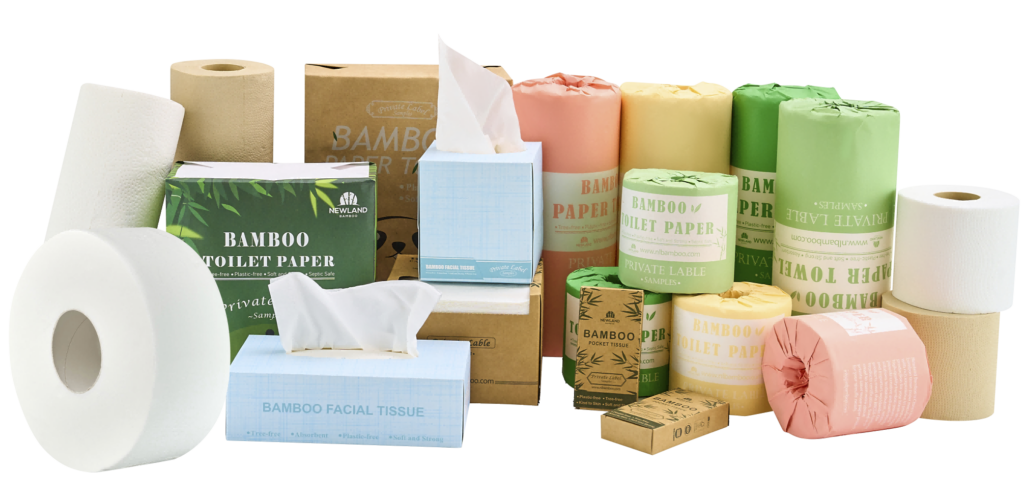
- Customization for B2B: From private label bamboo toilet paper for REWE or dm to bulk supply for hotels and distributors, we tailor specifications (ply, roll count, packaging design, pallet optimization) to match your sales channel strategy.
- Supply Chain Expertise: With years of export experience, we help German partners reduce costs and streamline shipping through optimized container loading and logistics planning.
By partnering with Newland Bamboo, importers can mitigate risks, accelerate time to market, and deliver sustainable value to their customers.
10) Conclusion: Future Outlook & Partnering for Success
Germany’s toilet paper market is mature but rapidly evolving toward sustainability. While recycled paper has long been the standard eco-choice, the rise of bamboo toilet paper signals a shift toward higher quality, eco-friendly products. With EU regulations tightening and consumer expectations growing, the window of opportunity is now.
Importers and private label brands that act early can establish themselves as leaders in Germany’s sustainable hygiene market. With reliable supply, full certification support, and extensive experience in exporting FSC-certified bamboo toilet paper, Newland Bamboo is ready to help you build a competitive, sustainable product line tailored to the German market.
Ready to bring bamboo toilet paper to Germany? Contact Newland Bamboo today for samples, compliance guidance, and a tailored supply plan.
FAQ (For B2B Buyers in Germany)
-
Is bamboo toilet paper popular in Germany?
Yes. Germany has one of the highest per-capita tissue paper consumption rates in Europe, and sustainability-minded consumers are increasingly turning to bamboo options as a premium alternative to both conventional and recycled toilet paper.
-
Do German retailers like REWE or Aldi accept bamboo tissue products?
Major retailers such as REWE and Aldi have active sustainability programs. They are open to sourcing eco-certified bamboo toilet paper that meets EU and German packaging compliance standards.
-
How does bamboo toilet paper compare with recycled paper in Germany?
Recycled paper is widely used, but many consumers feel it lacks softness and durability. Bamboo tissue provides a balance of eco-friendliness and premium comfort, making it an attractive option for both consumers and retailers.
-
What certifications are required to import bamboo toilet paper into Germany?
German and EU regulations require certifications such as FSC-certified bamboo toilet paper, PEFC, EU Ecolabel, and in some cases OK Compost. Compliance with Germany’s VerpackG (Packaging Act) and registration with the LUCID Packaging Register are also essential.
-
How much does it cost to ship bamboo toilet paper from China to Germany?
Shipping costs vary with container size, route, and global freight conditions. Efficient palletized or floor-loaded solutions can significantly reduce expenses. Learn more in our detailed guide on shipping costs for bamboo toilet paper from China.
-
What is the minimum order quantity (MOQ) for German importers?
At Newland Bamboo, our standard MOQ is one 40HQ container, ensuring efficiency in shipping and cost savings for importers. For new partners testing the German market, we also support flexible trial orders.
Take the Lead in Germany’s Sustainable Tissue Market
Germany’s demand for eco-friendly hygiene products is growing faster than ever. Retailers like REWE, dm, and Aldi are actively expanding their sustainable product lines, and importers that secure reliable, certified supply now will shape the market for years to come.
At Newland Bamboo, we provide:
- ✅ FSC, BRC, BSCI, ISO, and OK Compost certifications ready for German compliance
- ✅ 25+ automated lines, 400+ containers monthly for stable large-scale supply
- ✅ Customization for private labels, bulk orders, and tailored packaging for German retail channels
- ✅ Free samples and compliance guidance to accelerate your market entry
👉 Request Your Free Samples or Book a Consultation today, and let’s build your competitive advantage in Germany’s bamboo toilet paper market.