Introduction
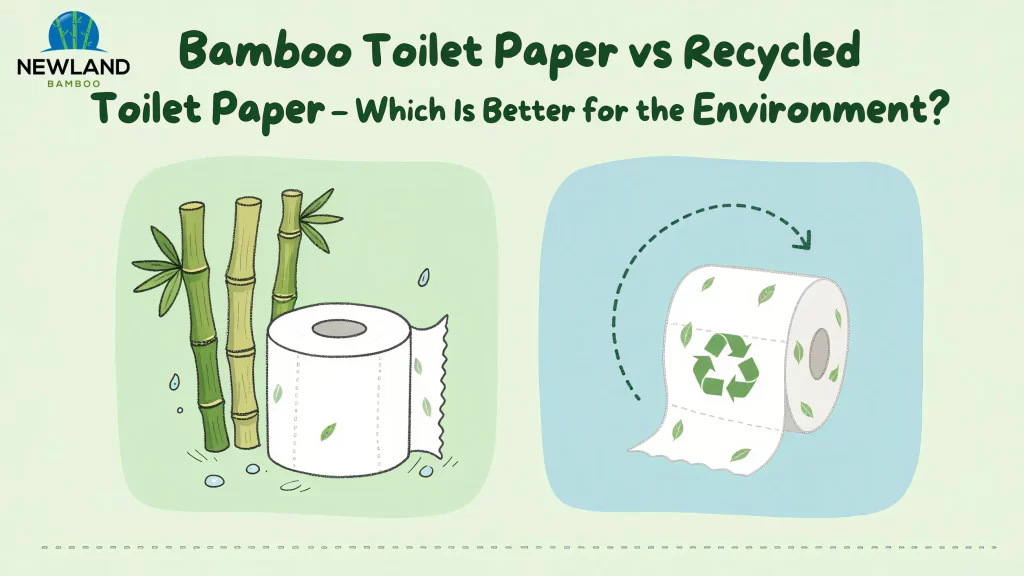
Bamboo toilet paper vs recycled toilet paper is one of the most common comparisons for buyers seeking eco-friendly tissue options. Both aim to reduce deforestation while offering different benefits in comfort, cost, and sustainability.
In recent years, the demand for eco-friendly toilet paper has grown significantly. Businesses, retailers, and households are looking for sustainable options that reduce environmental impact without compromising quality. Among the most popular alternatives to virgin wood pulp toilet paper are bamboo toilet paper and recycled toilet paper.
Both aim to minimize deforestation and reduce the ecological footprint of our daily hygiene habits, but they are made from different raw materials, processed differently, and offer unique benefits and challenges. This article compares bamboo and recycled toilet paper from the perspective of raw materials, environmental performance, comfort, and suitability for different buyers — particularly in the B2B wholesale and OEM/ODM supply chain.
What Is Bamboo Toilet Paper?
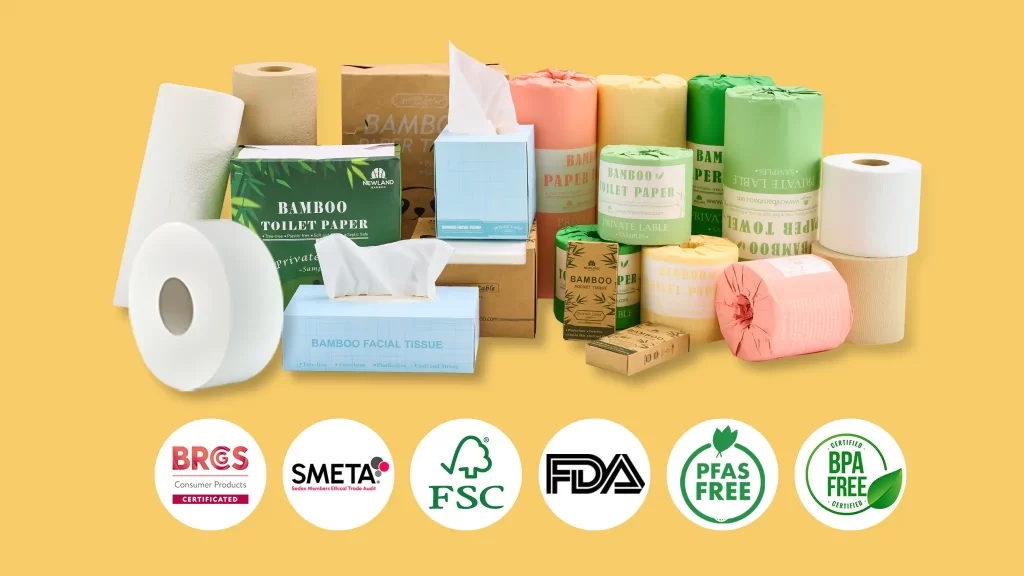
Bamboo toilet paper is made from bamboo fibers, derived from fast-growing bamboo plants. Unlike hardwood trees, which can take decades to mature, bamboo reaches harvestable height in 3–5 years and regenerates without replanting.
Key characteristics of bamboo toilet paper:
Bamboo grows rapidly, requires minimal water, and does not need pesticides or fertilizers.
Bamboo fibers produce a naturally smooth and durable tissue, suitable for premium toilet paper.
It is free from harsh chemicals and gentle on sensitive skin.
It breaks down naturally and is safe for septic systems.
Bamboo toilet paper is often marketed as a luxury eco-friendly product, appealing to consumers who want both sustainability and comfort. In wholesale supply, it is particularly favored by brands targeting the premium market segment.
What Is Recycled Toilet Paper?
Recycled toilet paper is produced from post-consumer recycled paper, such as office paper, newspapers, and other paper products that would otherwise end up in landfills. The manufacturing process involves de-inking, cleaning, and sanitizing the fibers before converting them into tissue rolls.
Key characteristics of recycled toilet paper:
It keeps paper products out of landfills and extends the lifecycle of fibers.
It requires less energy and water than producing virgin pulp.
It typically costs less than bamboo or virgin fiber toilet paper.
It may be slightly rougher than bamboo due to shorter recycled fibers.
Recycled toilet paper appeals to environmentally conscious buyers who prioritize waste reduction and affordability over softness.
Key Differences Between Bamboo and Recycled Toilet Paper
| Feature | Bamboo Toilet Paper | Recycled Toilet Paper |
|---|---|---|
| Raw Material | Bamboo fiber (fast-growing grass) | Post-consumer recycled paper |
| Growth/Source Cycle | 3–5 years to mature, regenerates naturally | Depends on paper waste collection and supply |
| Environmental Impact | Renewable, absorbs carbon during growth | Reduces landfill waste, saves water and energy |
| Texture & Comfort | Soft, smooth, and strong | May be slightly rougher, varies by manufacturing |
| Price Range | Higher, positioned as premium | Lower, positioned as budget-friendly |
| Certifications | Often FSC, BPI, compostable certifications | Often FSC Recycled, EcoLogo, or similar |
| Best for | Premium markets, sensitive skin, eco-luxury brands | High-volume buyers, institutions, cost-sensitive use |
Environmental Impact Comparison
Bamboo Toilet Paper
Bamboo is one of the fastest-growing plants in the world. It can grow up to 90 cm in a single day under optimal conditions. Its ability to regenerate without replanting reduces soil disturbance and helps maintain biodiversity.
From a carbon perspective, bamboo acts as a carbon sink, absorbing significant amounts of CO₂ during its growth. Additionally, because it does not require chemical fertilizers or pesticides, bamboo cultivation generally has a lower chemical footprint compared to tree plantations.
However, transportation can contribute to the carbon footprint, as bamboo is typically grown in Asia and shipped to other markets. Sustainable supply chains and carbon offset programs can help reduce this impact.
Recycled Toilet Paper
The main environmental benefit of recycled toilet paper lies in waste diversion — it keeps paper products from ending up in landfills, where they would release methane during decomposition.
Producing recycled toilet paper generally consumes less water and energy than creating virgin pulp. However, the de-inking and cleaning processes may involve chemicals and can generate sludge waste.
While recycled paper doesn’t require cutting down new plants, it depends entirely on a steady supply of recyclable materials, which can be affected by changes in recycling rates or contamination in waste streams.
Which One Should You Choose?
For B2C Consumers:
Choose bamboo toilet paper if you value comfort, softness, and a luxury feel while still wanting a sustainable product.
Choose recycled toilet paper if you prioritize waste reduction, lower cost, and are comfortable with a slightly coarser texture.
For B2B Buyers:
Hotels, resorts, and premium retailers often prefer bamboo toilet paper to meet guest expectations for comfort and eco-conscious branding.
Schools, offices, and public facilities may choose recycled toilet paper for cost efficiency and large-volume supply.
OEM/ODM brands can offer both options, targeting different segments of the market under a single sustainable brand image.
Supply Chain and OEM/ODM Considerations
Bamboo Toilet Paper Supply Chain
Origin: Primarily sourced from bamboo plantations in Asia.
Production Capacity: Stable and scalable due to managed plantations.
Customization: Embossing patterns, ply count, packaging design for premium branding.
Recycled Toilet Paper Supply Chain
Origin: Dependent on regional recycling programs.
Production Capacity: Can vary based on local waste collection efficiency.
Customization: More limited in softness improvement, but flexible in packaging and branding.
For wholesale buyers, working with a manufacturer who can supply both types ensures greater resilience against raw material fluctuations and market demands.
Conclusion
Bamboo and recycled toilet paper both offer valid, sustainable alternatives to conventional virgin wood pulp products. The choice between them depends on your priorities — whether you value comfort and premium branding or cost savings and waste reduction.
From a B2B perspective, diversifying your product portfolio to include both can maximize market coverage, appeal to a broader audience, and strengthen your sustainability credentials.
FAQ
-
Is bamboo toilet paper softer than recycled toilet paper?
Yes, bamboo toilet paper is generally softer and stronger due to the natural length and smoothness of bamboo fibers.
-
Is recycled toilet paper hygienic?
Yes. It undergoes thorough cleaning, de-inking, and sterilization processes before being made into tissue products.
-
Does bamboo toilet paper decompose faster?
Bamboo toilet paper is biodegradable and septic-safe, and typically decomposes faster than conventional wood pulp toilet paper, but similar to recycled paper.
-
Which is more expensive: bamboo or recycled toilet paper?
Bamboo toilet paper is usually priced higher due to raw material sourcing, transportation, and premium positioning. Recycled toilet paper is often the more budget-friendly option.
Call to Action — Partner with a Sustainable Toilet Paper Manufacturer
Whether you are a brand seeking premium eco-friendly products or an institution aiming to reduce waste, choosing the right supplier is essential. Newland Bamboo offers both bamboo toilet paper and recycled toilet paper, backed by global certifications, OEM/ODM customization options, and reliable bulk supply. Contact our team today to discuss your requirements, request free samples, and discover how we can help you achieve your sustainability goals while meeting your customers’ expectations.