The “Red & Black List” of Toilet Paper from a Gynecological Perspective
Gynecological recommendations are generally guided by one core principle:
minimize irritation and preserve the body’s natural balance.
Ingredients and Features to Avoid (“Black List”)
- Fragrances and Perfumes These are common contact allergens that may cause itching, redness, or irritation of the vulvar area. Long-term exposure can compromise the skin’s protective barrier.
- Optical Brighteners Added to make paper appear whiter, these chemical agents raise concerns regarding skin sensitivity and residue safety.
- Low-Quality Dyes and Inks Especially in colored toilet paper, inferior dyes may migrate in moist conditions, increasing the risk of unwanted chemical contact.
Recommended Characteristics (“Red List”)
- Pure Composition, No Additives Products labeled as additive-free reduce the likelihood of allergic reactions and unnecessary chemical exposure.
- Soft Yet Strong Texture Softness minimizes friction, while strength prevents tearing and paper residue during use.
- Naturally Low-Irritation and Mild Antibacterial Properties Materials that naturally resist bacterial growth can provide an added layer of passive protection in daily hygiene.
- Eco-Friendly Processing Methods Production techniques such as chlorine-free bleaching reduce harmful chemical residues, making the product safer for sensitive skin.
The Science Behind the Concern — How Can Toilet Paper Disrupt the Intimate Microenvironment?
Gynecologists’ caution stems from a deep understanding of the intimate microenvironment, which relies on a balanced pH, stable microbial flora, and intact mucosal barriers. Inappropriate toilet paper can disrupt this balance in three subtle but important ways:
1. Chemical Residues and Their Impact on pH and Microflora
A healthy intimate environment maintains a mildly acidic pH (approximately 3.8–4.5), largely supported by beneficial bacteria.
Fragrances and alkaline chemical residues may locally alter pH levels or directly irritate mucosal tissues. Prolonged low-level exposure can gradually weaken the skin’s defenses, creating conditions less favorable for beneficial bacteria and increasing the risk of discomfort or imbalance.
2. Cumulative Physical Friction and Skin Barrier Damage
The skin in intimate areas is thinner and more delicate than facial skin.
Rough or lint-prone toilet paper creates repeated micro-friction during wiping. Over time, this may damage the outermost protective layer, causing microscopic, invisible barrier disruptions. Once the barrier is compromised, irritants and microorganisms can penetrate more easily.
3. Creating an Unfavorable Microbial Environment
Low-quality paper often loses strength when wet, tears easily, and sheds lint.
Moist paper residue left on the skin can become a favorable surface for microbial adherence. High-quality toilet paper minimizes residue, thereby reducing hygiene risks associated with poor material performance.
In summary: choosing toilet paper is essentially choosing how you care for one of the body’s most important protective barriers. It is not about treating disease—but about avoiding hidden health risks in daily life.
Part 3: Women Who Should Be Especially Cautious When Choosing Toilet Paper
Certain life stages and usage scenarios call for heightened attention:
- During Menstruation Frequent wiping and increased moisture demand exceptional softness, purity, absorbency, and strength.
- Postpartum and Recovery Periods The body is more vulnerable, and frequent care is required. Any irritation may slow recovery.
- Perimenopausal and Postmenopausal Women Hormonal changes can lead to thinner, drier, and more fragile mucosal tissues, increasing sensitivity to friction and chemicals.
- Women with Sensitive Skin or Recurrent Intimate Discomfort A weakened skin barrier makes avoiding potential irritants especially important.
- Specific Lifestyle and Institutional Settings Prolonged sitting, as well as stays in hotels, maternity care centers, and medical facilities, increase the importance of high-quality hygiene products.
Why Bamboo Toilet Paper Aligns with Health-Oriented Needs
Bamboo is often regarded as a “super material,” and its natural properties align well with the health requirements outlined above.
1. Natural Protection: The Science Behind Bamboo Kun
Bamboo contains a natural substance known as bamboo kun, which has been shown to inhibit the growth of certain common bacteria.
This means bamboo toilet paper can create a surface environment less favorable for bacterial proliferation, offering passive support in everyday hygiene routines.
2. Gentle Physical Properties from Long Fibers
Bamboo fibers are generally longer than standard wood fibers. Longer fibers interlock more effectively during papermaking, resulting in toilet paper that is naturally softer, stronger, and less prone to linting—providing a smooth, fabric-like wiping experience.
3. Purity from the Source: Sustainability and Manufacturing Advantages
- Cultivation Benefits Bamboo grows rapidly, is naturally pest-resistant, and typically requires minimal agricultural chemicals.
- Processing Advantages Leading bamboo tissue manufacturers use elemental chlorine-free (ECF) or totally chlorine-free (TCF) bleaching, ensuring minimal chemical residue and a more skin-friendly pH.
Practical Guidance for Intimate Care and Toilet Paper Selection
Myth-Busting: Four Common Misconceptions About Toilet Paper
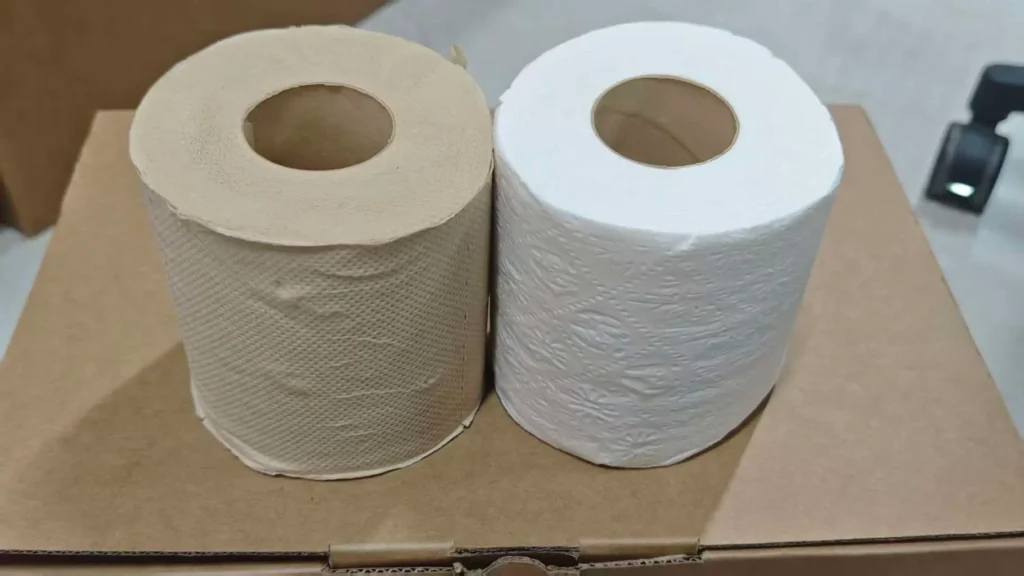
- Myth 1: “The whiter the paper, the cleaner it is.” ❌ Truth: Excessive whiteness may indicate optical brighteners. A natural off-white tone often signals fewer additives.
- Myth 2: “Scented paper is more hygienic.” ❌ Truth: Fragrance adds no hygiene benefit and introduces unnecessary irritation risks.
- Myth 3: “Recycled paper is the best eco-friendly option for intimate use.” ❌ Truth: While recycled paper supports sustainability, its complex raw material sources make it less suitable for direct intimate contact.
- Myth 4: “Antibacterial paper can prevent or treat infections.” ❌ Truth: Antibacterial claims relate to daily hygiene support—not medical prevention or treatment.
Actionable Tips
When purchasing, follow the “Three Checks”:
- Check the material: Look for “100% virgin bamboo pulp.”
- Check certifications and reports: Request safety and skin irritation test results.
- Check performance: High-quality bamboo paper remains strong when wet and absorbs efficiently.
When using, remember the “Two Dos and Two Don’ts”:
- Do: Wipe front to back; store in a dry environment.
- Don’t: Use rough, low-quality public toilet paper; never replace medical care with hygiene products.
How a Bamboo Tissue Manufacturer Ensures Safety, Consistency, and Trust
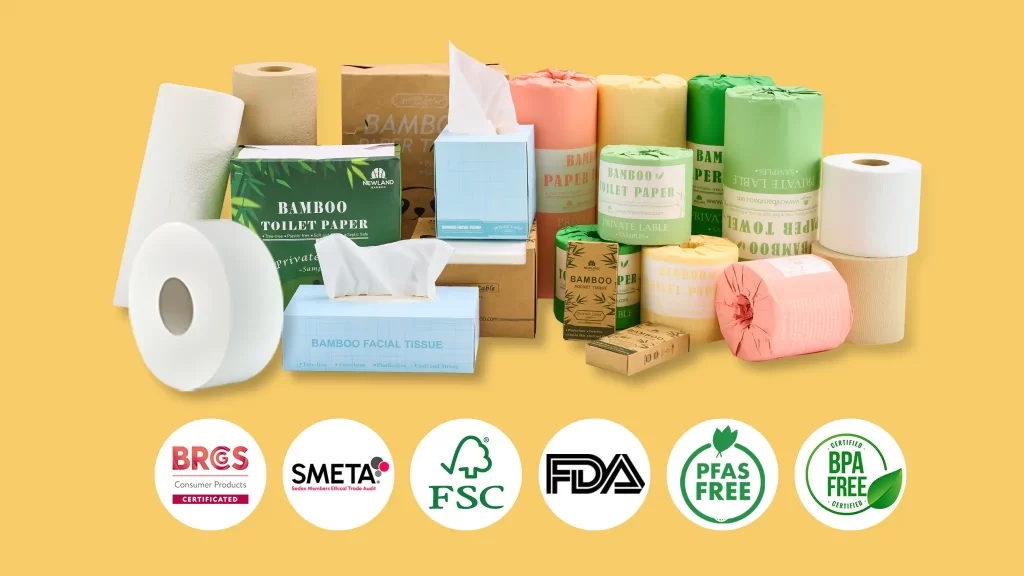
At Newland Bamboo, we believe genuine health begins with verifiable reassurance in everyday choices. All medical logic and consumer concerns ultimately require transparent, test-backed commitments.
Our Standards as a Source Manufacturer
- Purity You Can Verify No optical brighteners, fragrances, or unnecessary additives. Every production batch undergoes third-party testing (e.g., SGS), covering formaldehyde, fluorescent substances, and microbiological indicators—reports are available upon request.
- Softness Rooted in Structure Leveraging long-fiber virgin bamboo pulp and precision manufacturing, we deliver consistently gentle texture without compromising strength.
- Professional Support for All Scenarios From families seeking safer daily products to hotels, maternity centers, and medical institutions requiring stable quality and customization, we provide tailored solutions and welcome on-site factory audits.
Choosing Newland Bamboo means choosing reassurance, responsibility, and transparency.
We invite you to start with a real experience.
[Explore Newland Bamboo’s Bamboo Tissue Collection] | [Contact Us for Free Samples & Full Test Reports]
Common Questions About Bamboo Toilet Paper Safety and Use
-
Is bamboo’s antibacterial property the same as medical disinfection?
No. Bamboo kun inhibits bacterial growth under normal conditions; it does not sterilize or replace medical disinfection or treatment.
-
How do you ensure quality consistency for large-volume institutional buyers?
Through full supply-chain control, batch testing with retained samples, and customized production agreements that ensure long-term consistency.
-
I have severe skin allergies. How can I confirm suitability?
Request our skin irritation and safety reports, conduct small-area patch testing, and review ingredient transparency before regular use.
-
Where does bamboo toilet paper’s environmental advantage come from?
Rapid renewability, high carbon sequestration, low pesticide use, and environmentally responsible manufacturing processes.
-
Can you provide industry-specific compliance documents?
Yes. We support food-contact safety testing, ISO certifications, and other compliance documentation as required by medical, maternal, or hospitality sectors.