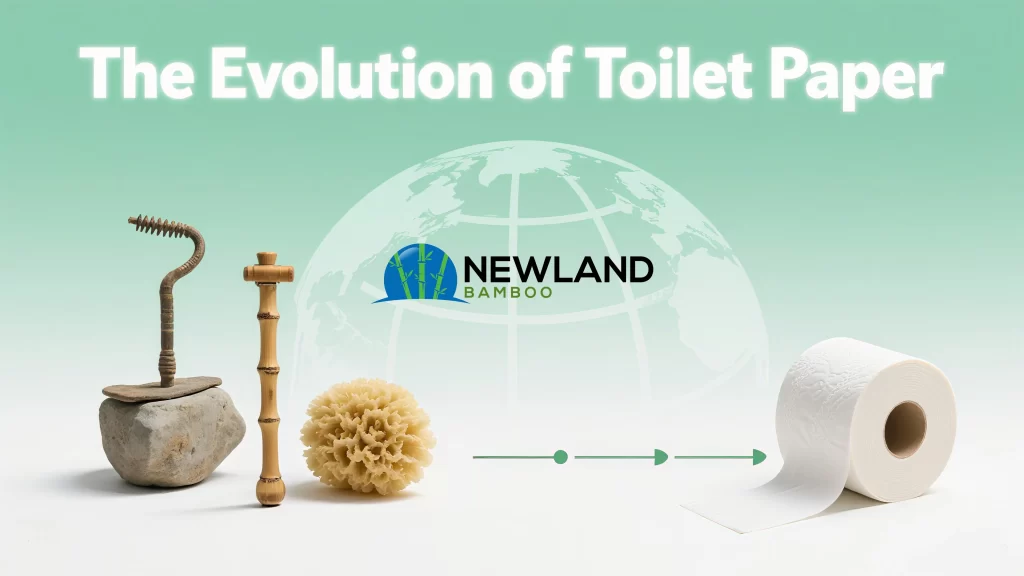
Ancient Hygiene: Before Toilet Paper
Before toilet paper, hygiene was shaped by culture, geography, and innovation. Here’s how early civilizations handled it:
| Civilization | Material Used |
|---|---|
| Ancient Greece | Smooth ceramic discs (pessoi) |
| Roman Empire | Sponge-on-stick dipped in saltwater (tersorium) |
| Japan | Thin wooden sticks (chūgi) |
| Middle East | Flowing water and left hand (wudu tradition) |
| Tropical regions | Coconut shells, leaves, or husks |
In East Asia, records from the 6th century suggest the use of paper for hygiene among nobles. By the 14th century, mass production of large, soft sheets for royal households was well documented.
Industrial Era: The Rise of Commercial Toilet Paper
As industrialization accelerated in the 19th century, paper became widely accessible. Key milestones include:
- 1857: Joseph Gayetty introduced the first commercial toilet paper in the U.S.—flat sheets infused with aloe.
- 1871–1891: Inventor Seth Wheeler patented perforated rolls, leading to the modern roll format.
- 1920s–2000s: Two-ply paper, improved softness, and mass production turned toilet paper into a global staple.
Turning Point: Eco Awareness & Bamboo Breakthrough
In the late 20th century, growing environmental concern led to scrutiny of toilet paper’s ecological footprint.
- 1993: FSC certification emerged, pushing sustainable forestry.
- 2000s: Bamboo pulp processing improved significantly in softness and water retention.
- 2020s: Climate concerns, zero-waste movements, and plastic-free packaging brought bamboo tissue to the forefront.
The Environmental Cost of Traditional Toilet Paper
While comfortable, conventional tissue comes at a price:
| Impact | Details |
|---|---|
| Deforestation | 27,000+ trees cut daily for global toilet paper needs |
| Water Waste | 37 gallons of water used to produce one roll |
| Chemical Use | Bleaching agents and softeners may irritate skin & pollute water |
Bamboo Tissue: The Sustainable Alternative
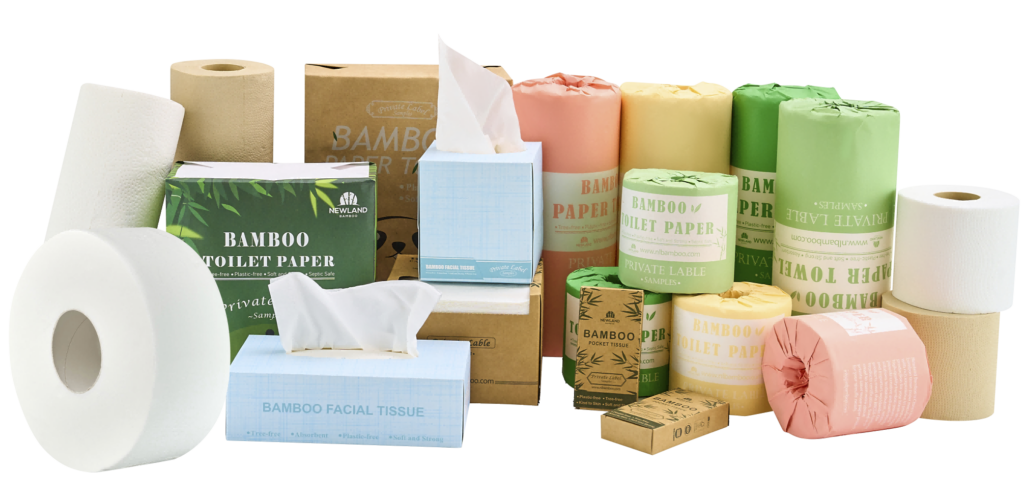
Bamboo toilet paper solves these problems — sustainably and efficiently:
| Feature | Bamboo Tissue | Traditional Wood Pulp |
|---|---|---|
| Growth Rate | Up to 35 inches/day | 20–50 years to mature |
| Chemical Use | No bleach or fragrance needed | Often required |
| CO₂ Absorption | 35% higher than eucalyptus hardwoods (FAO 2023 Report #FOR-112) | Moderate |
| Fiber Yield | 1 hectare bamboo ≈ 20 hectares of forest (INBAR) | Low |
Other benefits:
- Biodegradable & compostable
- Septic-safe & RV-friendly
- Naturally hypoallergenic
- FSC & OEKO-TEX certified
Evolution Timeline of Toilet Paper
| Period | Region | Milestone |
|---|---|---|
| 6th Century CE | China | First record of paper used for hygiene (nobility) |
| 14th Century CE | China | Mass production for imperial court (720,000 sheets/year) |
| Medieval Era | Europe, Middle East | Hygiene with moss, rags, water, cloth |
| 1857 | USA | Joseph Gayetty launches aloe-infused flat tissue sheets |
| 1871–1891 | USA | Wheeler patents perforated rolls and dispensers |
| 1920s–1950s | Global | Two-ply, soft tissue becomes mass household product |
| 1990s | Global | FSC certification & green awareness reshape paper market |
| 2000s | China, Global | Bamboo tissue emerges with new pulping technology |
| 2020s | Global | Bamboo toilet paper gains mainstream acceptance |
| 2022 | Global | Walmart, Carrefour list bamboo tissue in sustainable catalogs (Tissue World Report) |
Trusted by Global Buyers
A multinational hotel group (200+ locations):
“Switching to Newland Bamboo Tissue cut our hygiene paper costs by 18% and boosted our ESG score.”
A well-known baby care brand (Annual procurement: $2M+):
“Hypoallergenic bamboo rolls from Newland solved our skin sensitivity issues. Repeat orders increased by 42%.”
Stable Supply at a Glance
- Raw Material Base: 10,000+ hectares bamboo forests in Sichuan & Yunnan
- Lead Time: Asia: within 7 days | Europe/US: within 21 days
Bamboo Tissue Technology Timeline (2009–2023)
- 2009: Breakthrough in bamboo fiber softening (Patent CN101***BambooSoft)
- 2015: Chlorine-free bleaching process scaled to commercial production (OEKO-TEX Certified)
- 2020: Ultra-low water consumption line launched (≤15 tons water per ton pulp)
- 2023: Fully compostable moisture-resistant packaging membrane adopted
From Past to Present: Toilet Paper Questions Answered
-
When did toilet paper originate?
Commercial toilet paper was launched in 1857, but paper for hygiene dates back over 1,000 years.
-
What did people use before toilet paper?
Various materials, including sponges, stones, cloth, water, coconut shells, and wooden sticks.
-
Why choose bamboo toilet paper?
It’s faster-growing, softer, biodegradable, and requires less water and no chemicals.
-
Is bamboo toilet paper safe for sensitive skin?
Yes — it’s naturally hypoallergenic and contains no added fragrance or bleach.
-
Can bamboo toilet paper be supplied in bulk reliably?
Absolutely. Our 60-day cycle plantations ensure uninterrupted production and delivery.
-
Will sea shipment humidity affect the tissue quality?
Not at all. Our packaging uses nano-coating water-resistant film. Products remain intact under ≤85% humidity.
What’s Next After 2,000 Years of Toilet Paper Evolution?
From stones and cloth to bamboo tissue — toilet paper has come a long way.
Now it’s your turn to join the next chapter:
Choose certified bamboo toilet paper made for a sustainable future.
- No trees cut. No bleach added. No plastic waste.
- Produced in our FSC-certified facility with over 10,000 hectares of bamboo forest.
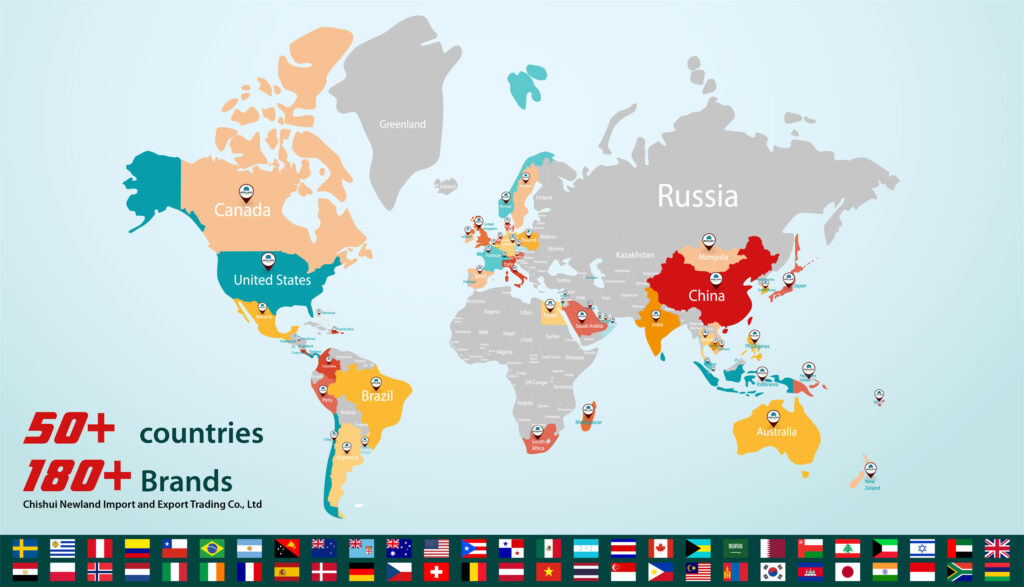
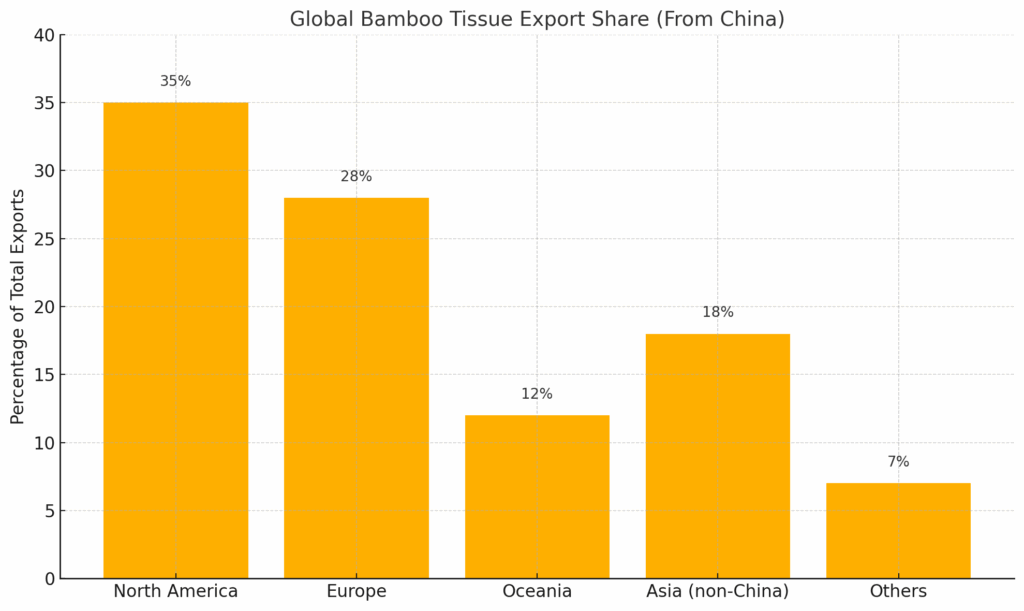
- Shipped to 30+ countries with fast delivery and stable supply.
👉 Want samples or pricing? Let’s talk today.