
Why Bamboo Tissue
Learn why bamboo tissue is used for sustainable, eco-positioned tissue products, private label brands, retail channels, hospitality supply, and commercial tissue programs.
Bamboo tissue gives buyers a plant-based material direction for tissue products such as toilet paper, facial tissue, kitchen paper towels, paper napkins, hand towels, and commercial paper products.
For B2B buyers, bamboo tissue is not only about environmental messaging. It should also be reviewed together with product specifications, packaging format, market wording, document needs, and target customer expectations before production.
Sustainable Bamboo Tissue
Eco-Friendly Tissue
Tree-Free Tissue
Plant-Based Tissue
B2B Supply

Market Positioning
Explain bamboo tissue as sustainable, eco-friendly, tree-free, and plant-based with careful claim review.
B2B Use
Connect market wording with product type, packaging format, samples, and document needs.
How Newland Bamboo Makes Bamboo Toilet Paper
This overview includes the main steps in bamboo toilet paper production, from bamboo sourcing and pulping to jumbo roll converting, packing, and finished tissue products. At Newland Bamboo, we focus on converting, packing, and quality control to support consistent finished rolls for wholesale, private label, and export supply.
Key Steps in Bamboo Toilet Paper Production

1. Chishui Bamboo Forest
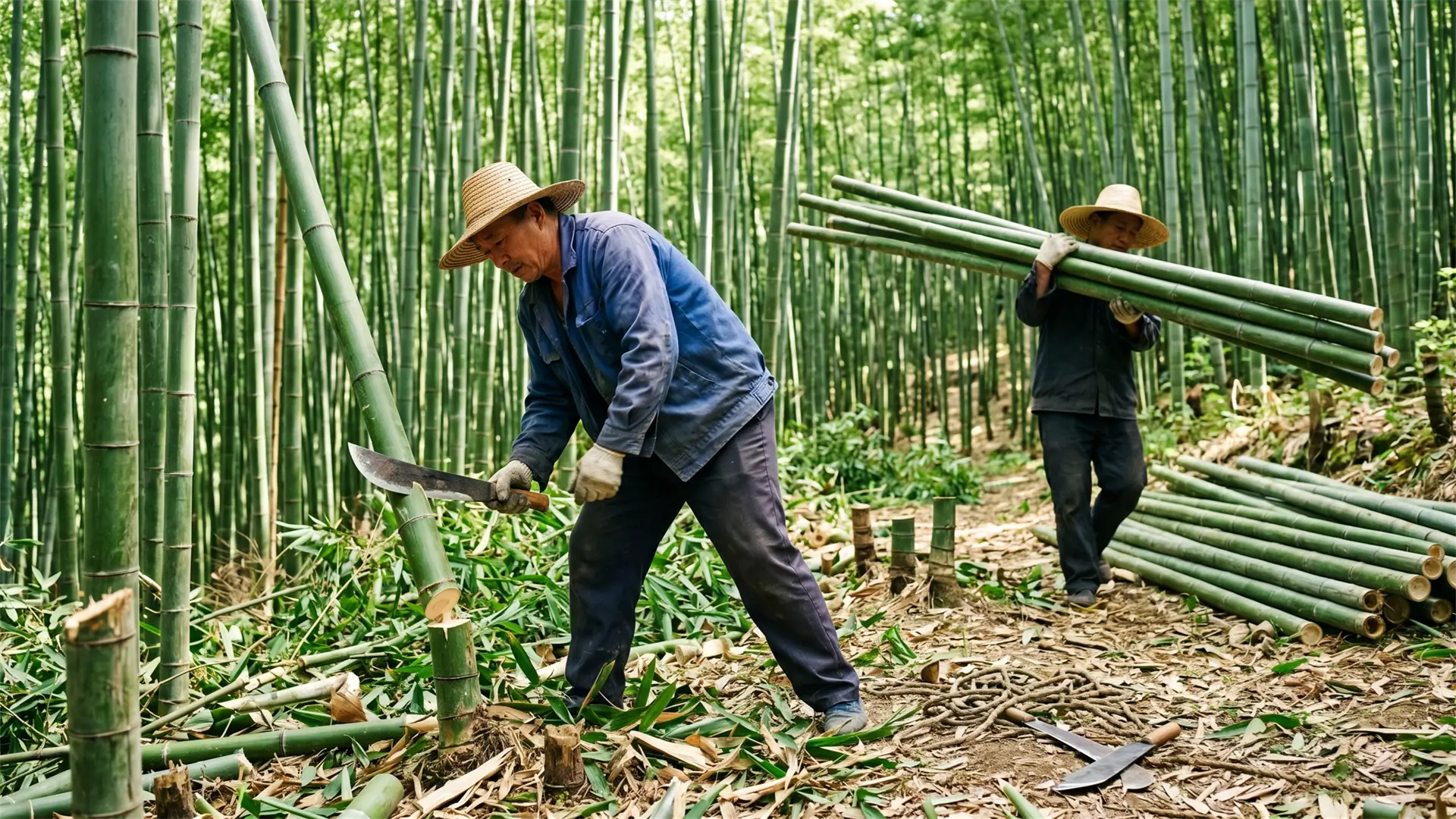
2. Harvest Bamboo
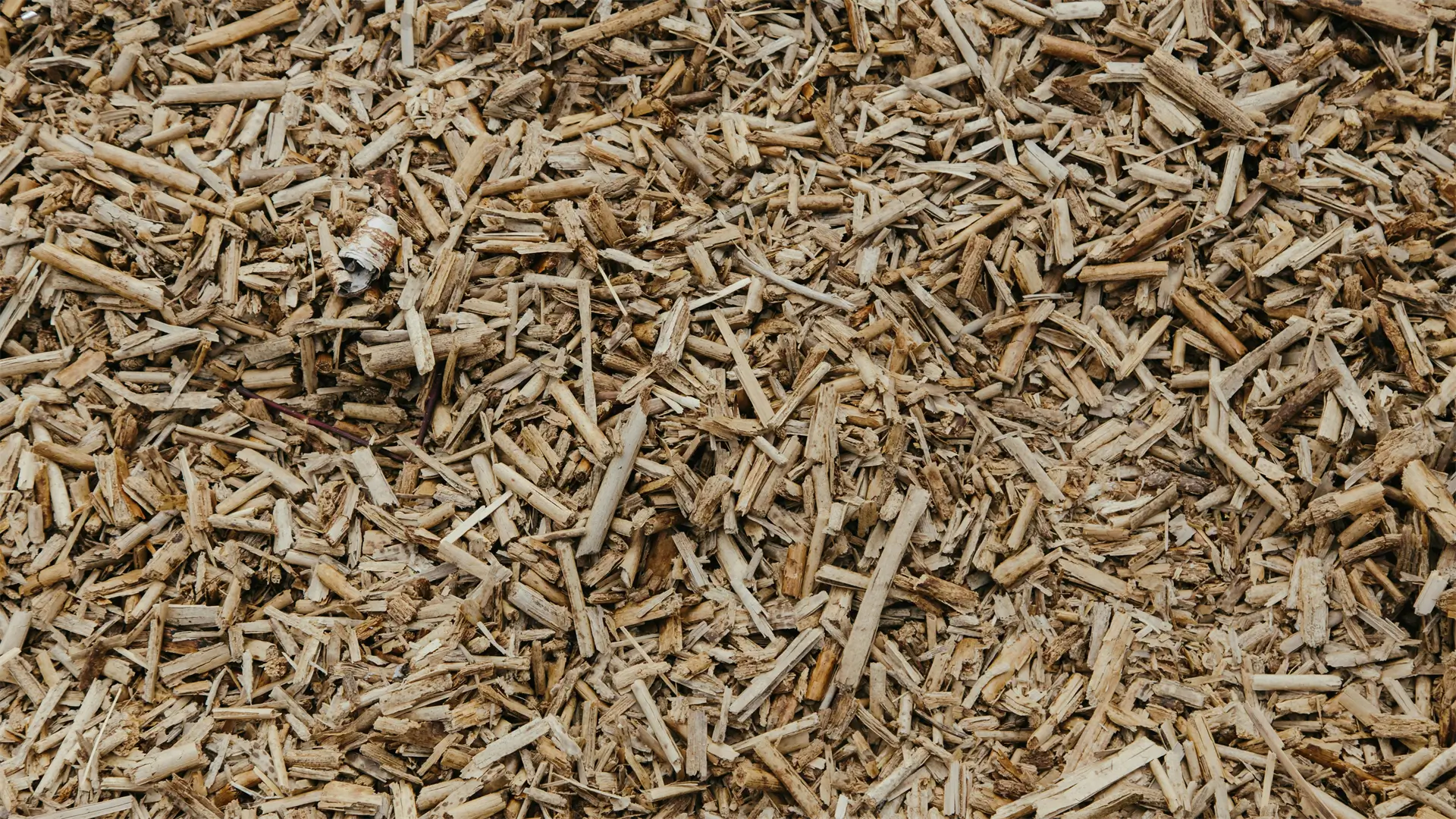
3. Make Bamboo Chips
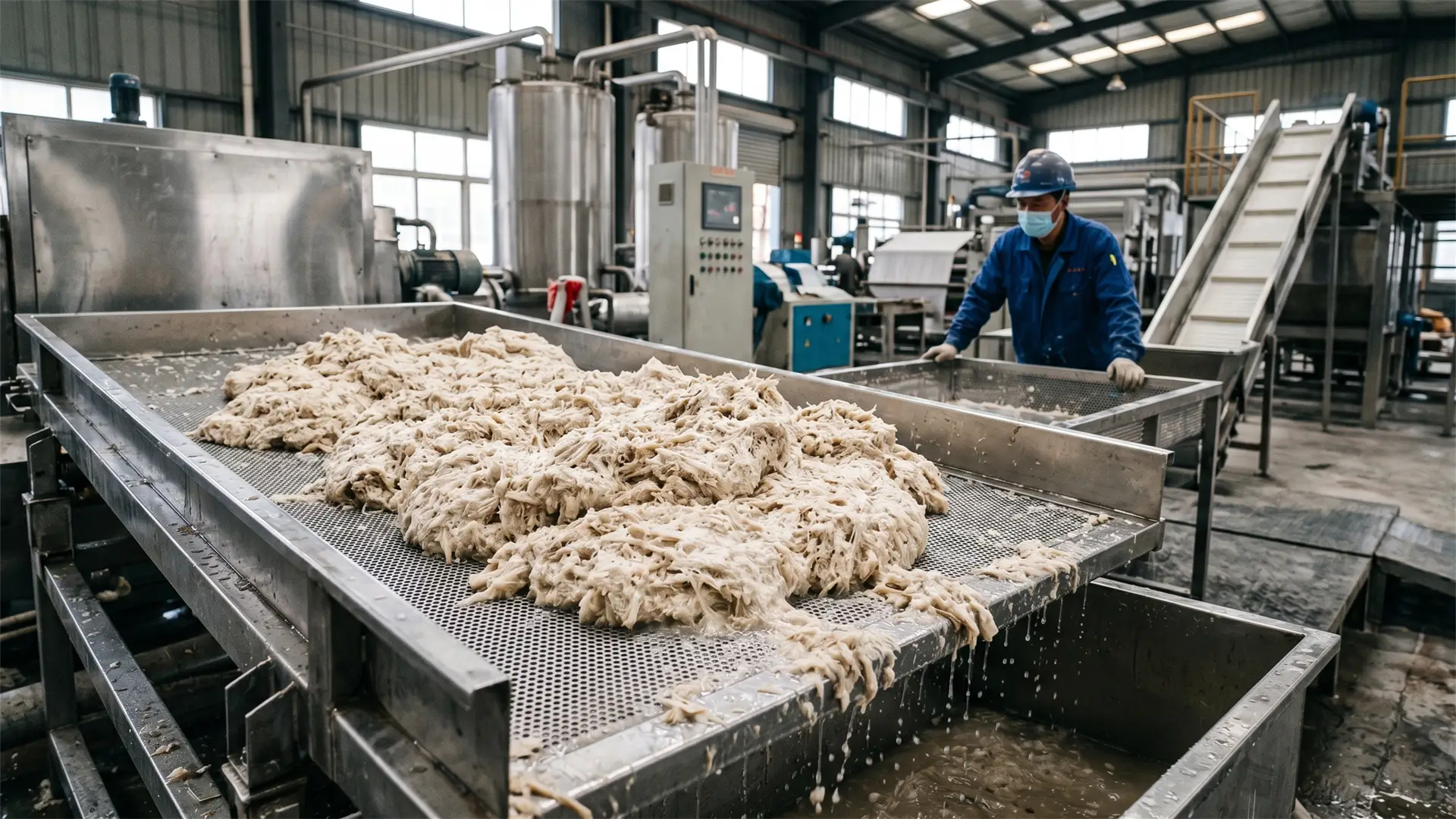
4. Bamboo Pulping
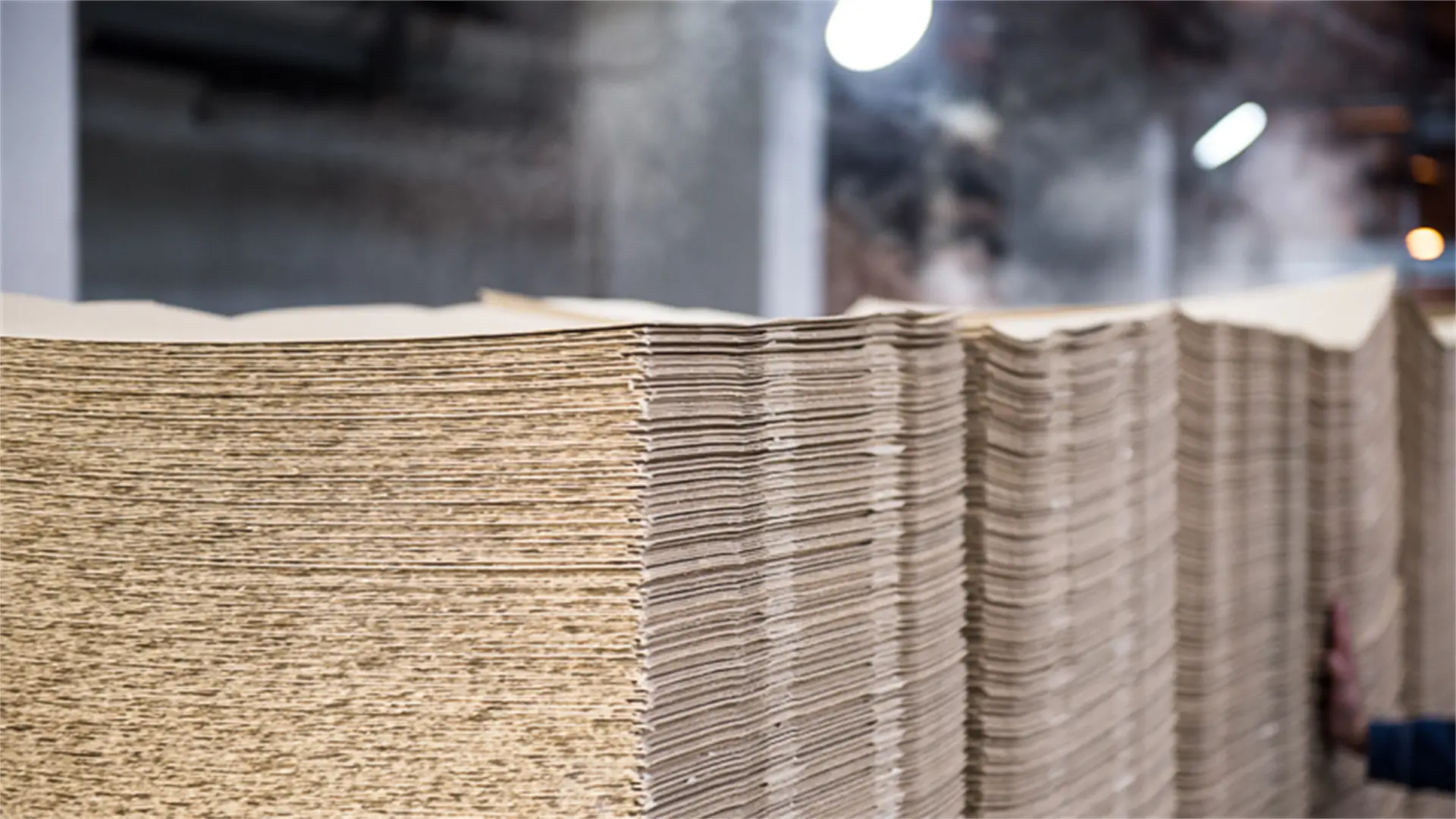
5. Form Bamboo Pulp Board
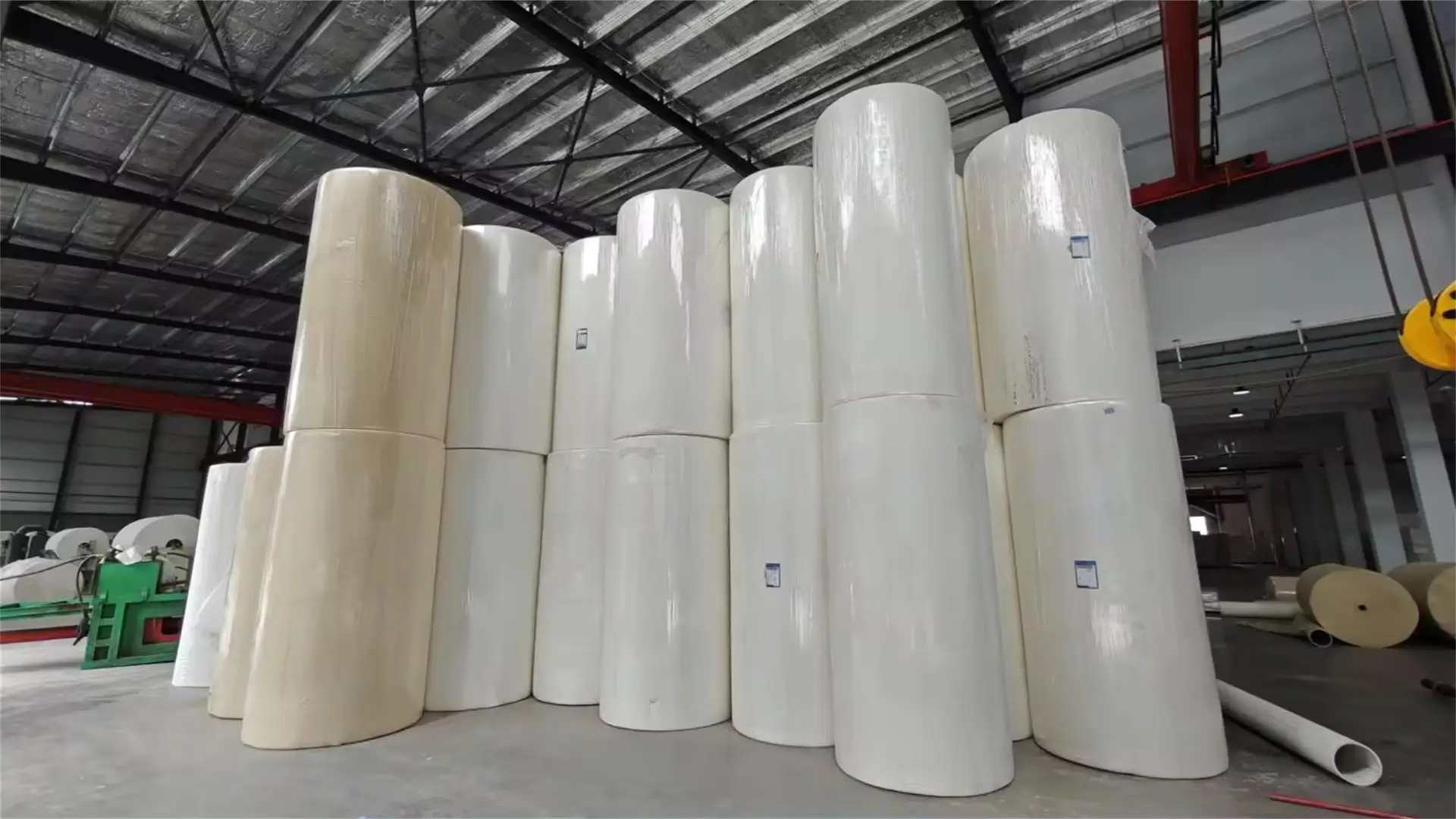
6. Parent Jumbo Roll
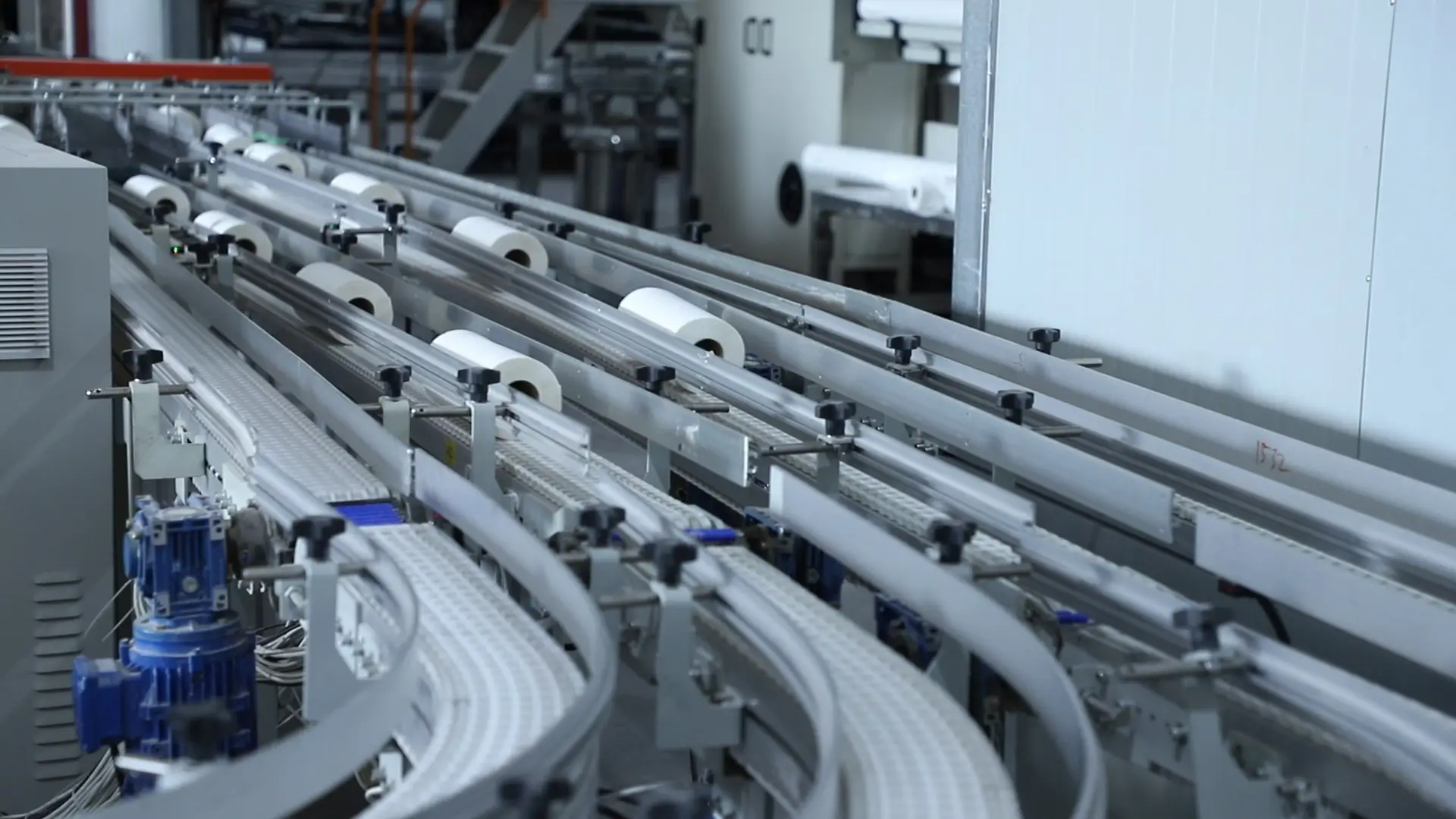
7. Rewinding and Cutting
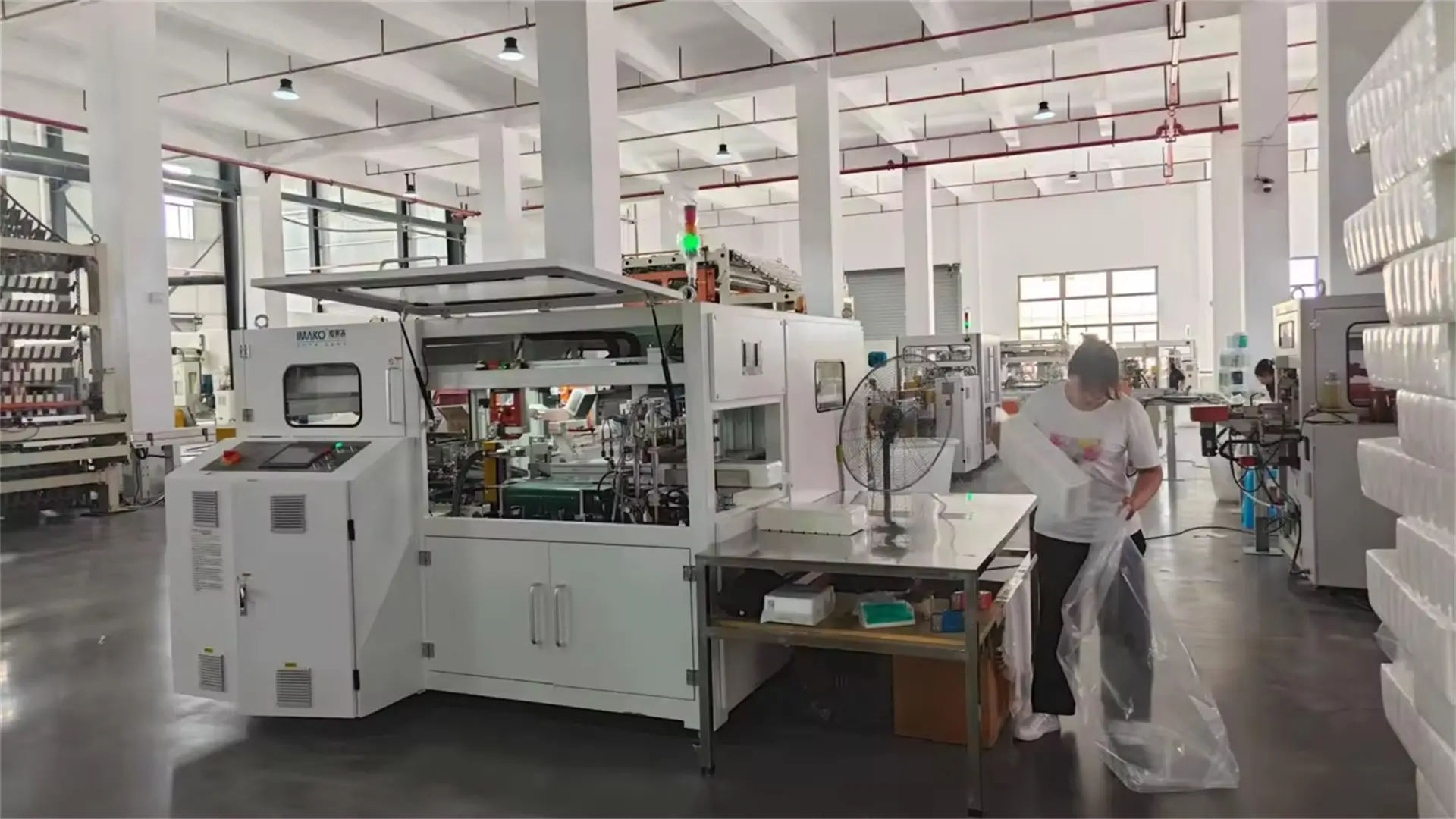
8. Packing
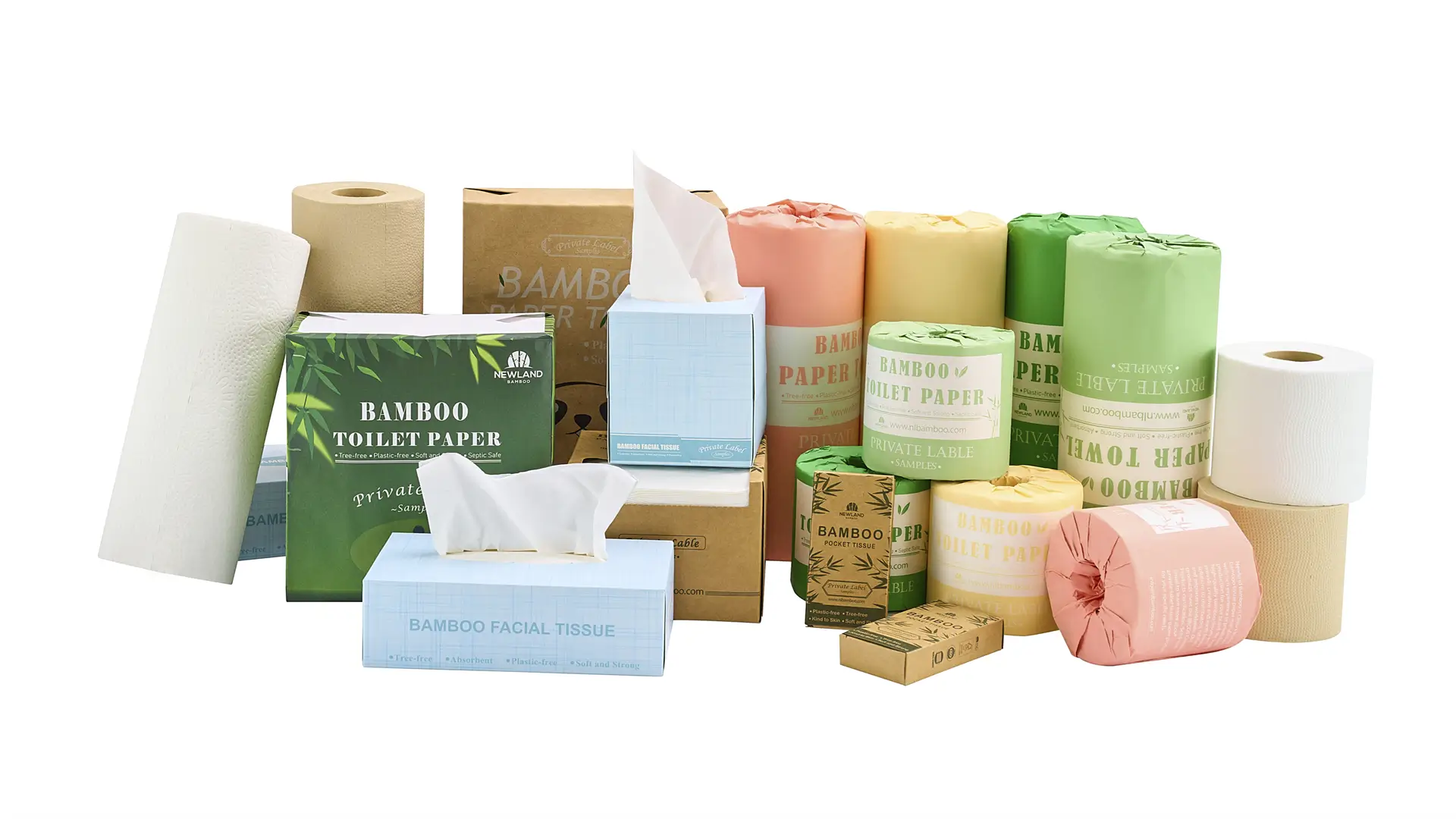
9. Finished Bamboo Tissue Products
Why Bamboo Tissue Matters for Modern Buyers
Many buyers now need tissue products that can do more than meet basic softness, strength, or price expectations. Retail brands, hotels, distributors, ecommerce sellers, and commercial buyers may also need a clearer material story for their customers.
Bamboo tissue can help support this direction because it uses bamboo pulp as a plant-based fiber source. For B2B buyers, the value comes from connecting material choice with product type, packaging format, sample review, market claim wording, and document needs.
Eco-Positioned Product Lines
Buyers may use bamboo tissue to build retail, hospitality, ecommerce, or private label product lines with a clearer material story.
Customer-Friendly Material Story
Bamboo pulp is easier for customers to understand than vague sustainability claims, but final wording still needs review.
Private Label and Channel Fit
Bamboo tissue can support brand owners, distributors, hotels, and commercial buyers across multiple product categories.
Claim and Document Review
Market claims should be checked together with product structure, packaging format, destination market, and available documents.
Bamboo as a Plant-Based Tissue Material
Bamboo is a plant-based fiber source that can be processed into pulp for tissue production. Bamboo pulp can be used across many tissue categories, including bathroom tissue, facial tissue, kitchen paper towels, napkins, hand towels, and commercial paper products.
For buyers, this creates a flexible material direction. A brand can use bamboo pulp for retail tissue products, hospitality supply, private label packaging, or commercial tissue programs.
This page gives a simple overview. For deeper material information, buyers can review the Bamboo Pulp Material page.
Bamboo pulp material visual: bamboo fiber, pulp texture, and tissue product samples
Replace this area with the final sustainability visual or product photo.
How Bamboo Tissue Is Positioned and Which Claims to Review
Bamboo tissue may be described in different ways depending on the product format, packaging, market, and buyer communication needs. These terms help brands explain the material direction, but they should still match product structure, packaging format, available documents, and destination market requirements.
Plant-Based Tissue
Plant-based tissue is one of the safer terms because it describes the material direction without overclaiming certification or environmental impact.
Sustainable Bamboo Tissue
Bamboo tissue is often positioned as a sustainable tissue option because it uses bamboo pulp as a plant-based fiber source. Buyers should connect this wording with specifications, sourcing discussion, packaging format, and document needs.
Eco-Friendly Bamboo Tissue
Eco-friendly bamboo tissue is a common market-facing phrase for retail, hospitality, and private label product lines. This wording should be supported by clear material, packaging, and claim review.
Tree-Free Tissue
Tree-free tissue can explain that the product is made with bamboo pulp instead of traditional wood pulp. The wording should stay accurate and avoid unsupported forest-related claims.
Natural Bamboo Tissue
Natural bamboo tissue may refer to natural bamboo tone, simple product positioning, or unbleached-style market communication. Buyers should confirm the exact product structure before using this wording.
Biodegradable Bamboo Tissue
Biodegradable wording should be reviewed carefully. Buyers should check product type, testing needs, packaging format, and destination market requirements before using this claim.
Compostable Tissue
Compostable claims may require specific certification or market review. Buyers should not use this wording unless the claim can be supported for the product and target market.
Key Reasons Buyers Choose Bamboo Tissue
Bamboo tissue is considered by buyers for several practical reasons. These reasons should be reviewed together with product type, cost structure, packaging needs, and the target market.
Plant-based material direction visual
Replace this area with the final sustainability visual or product photo.
Plant-Based Material Direction
Bamboo pulp gives buyers a plant-based material option for tissue product development and brand positioning.
Bamboo pulp vs traditional wood pulp concept visual
Replace this area with the final sustainability visual or product photo.
Alternative to Traditional Wood Pulp
Bamboo tissue can be positioned as an alternative to traditional wood pulp tissue, while claims still need careful review.
Eco-positioned tissue product line visual
Replace this area with the final sustainability visual or product photo.
Eco-Positioned Product Lines
Bamboo tissue can support sustainability-focused retail, hospitality, ecommerce, and private label channels.
Bamboo tissue product application visual
Replace this area with the final sustainability visual or product photo.
Wide Product Application
Bamboo pulp can be used across household, retail, and commercial tissue products, supporting one product line or mixed supply plans.
Where Bamboo Tissue Can Be Used
Bamboo tissue is not limited to one product type. Buyers can review different product categories based on their channel, customer group, packaging needs, and order plan.
Household and Retail Tissue
Bamboo Toilet Paper
Bathroom tissue, retail packs, ecommerce bundles, hotel room supply, and private label toilet paper projects.
Bamboo Facial Tissue
Boxed tissue, plastic pack tissue, lotion tissue, hotel rooms, office use, and private label facial tissue lines.
Bamboo Kitchen Paper Towels
Kitchen wiping, household cleaning, food preparation areas, retail packs, and private label kitchen paper projects.
Bamboo Paper Napkins
Restaurants, takeaway service, catering, retail napkin packs, and private label napkin programs.
Bamboo Pocket Tissue
Travel packs, retail multipacks, hotel welcome kits, promotional programs, and portable tissue products.
Bamboo Car Tissue
Cylindrical car-use tissue packs, travel channels, promotional supply, and private label car tissue programs.
Commercial and Facility Tissue
Bamboo Jumbo Rolls
High-traffic washrooms, commercial buildings, public facilities, and distributor supply.
Bamboo Paper Hand Towels
Public washrooms, hotels, offices, restaurants, schools, and commercial hand-drying supply.
Bamboo Center Pull Paper Towels
Cleaning stations, food service areas, workshops, and commercial wiping applications.
Bamboo Bottom Pull Tissue
Selected dispensing systems, public-use areas, hospitality spaces, and commercial tissue supply programs.
How Bamboo Tissue Supports B2B Brands
For B2B buyers, bamboo tissue can support more than a sustainability message. It can help create a clearer product direction for brands, distributors, hotels, and commercial buyers.
Private Label Brands
Bamboo tissue can support private label brands that want a plant-based material story and flexible product development.
Retail and Ecommerce Channels
Bamboo tissue can support product lines where customers compare material, packaging, user experience, and brand positioning.
Hospitality and Commercial Buyers
Hotels, offices, public washrooms, food service spaces, and commercial buildings may use bamboo tissue products as part of a sustainability-focused supply plan.
Distributors and Importers
Distributors and importers often need a clear material story, repeat supply, packaging options, and practical documentation.
Related Sustainability Topics
Use these pages to go deeper into material, sourcing, certification, and comparison topics.
Bamboo Pulp Material
Learn more about bamboo pulp material, bamboo fiber tissue, and the bamboo raw material background behind bamboo tissue products.
Certifications and Responsible Sourcing
Review certification-related discussions, responsible sourcing, material documents, factory documents, and testing documents for B2B bamboo tissue buyers.
Bamboo vs Wood vs Recycled Tissue
Compare bamboo pulp, wood pulp, and recycled tissue from material source, product positioning, supply planning, and buyer decision needs.
Bamboo Tissue Questions Buyers Often Ask
Why do buyers choose bamboo tissue?
Buyers choose bamboo tissue because it gives them a plant-based material direction for tissue products. It can support retail, hospitality, private label, and commercial tissue programs that need a clearer sustainability story.
Is bamboo tissue more sustainable than regular tissue?
Bamboo tissue can support sustainability-focused product positioning because it uses bamboo pulp instead of traditional wood pulp. However, sustainability claims should still be reviewed by product type, packaging format, documents, and target market requirements.
Is bamboo tissue tree-free?
Bamboo tissue can be described as made with bamboo pulp instead of traditional wood pulp. If buyers use tree-free wording, the claim should stay accurate and match the product material and market requirements.
What products can be made from bamboo tissue?
Bamboo pulp can be used for toilet paper, facial tissue, kitchen paper towels, paper napkins, pocket tissue, car tissue, jumbo rolls, paper hand towels, center pull paper towels, and bottom pull tissue.
Can bamboo tissue be used for private label products?
Yes. Bamboo tissue can support private label product lines for retail, ecommerce, hospitality, commercial supply, and distributor programs. Buyers should review product type, packaging format, market wording, samples, and available document needs before production.
Are sustainability claims the same for every bamboo tissue product?
No. Sustainability claims should be reviewed by product model, packaging format, target market, and document requirements. A claim that fits one product or market may not be suitable for another.
Do bamboo tissue products need certification documents?
Some buyers may need FSC-related review, material documents, factory audit documents, or testing documents depending on product type, destination market, and order requirements. Detailed document topics should be reviewed on the Certifications and Responsible Sourcing page.
Where can I learn more about bamboo pulp material?
You can review the Bamboo Pulp Material page for deeper information about bamboo pulp, bamboo fiber tissue, material background, and how bamboo pulp is used in tissue products.