



Bamboo Toilet Paper: The Eco-Friendly Choice with a Global Impact
Each time we make a purchase, we participate in a larger economic and environmental system. For years, conventional toilet paper, a daily necessity, has quietly contributed to a significant ecological burden. Every day, an estimated 27,000 trees are harvested globally to meet the demand for bathroom tissue, leading to deforestation and biodiversity loss. The process of turning wood into soft paper is resource-heavy, often involving substantial water use and chemical bleaching agents.
But a quiet revolution is unfolding in bathrooms and on store shelves, driven by a remarkable plant: bamboo. As consumers increasingly seek to align their purchasing habits with their environmental values, bamboo toilet paper has emerged as a leading alternative. But with its rise in popularity comes questions: Is it truly the sustainable solution it claims to be? Is it as comfortable and effective? How is it even made?
As a bamboo pulp manufacturer at the heart of this shift, we believe in radical transparency. This article aims to move beyond marketing claims, offering an insider’s perspective on the science, process, and real-world impact of bamboo tissue. We will explore its genuine environmental benefits, address common concerns head-on, and provide a clear guide for making informed, responsible choices.
The Bamboo Revolution: A Sustainable Alternative Rooted in Science
The Hidden Cost of Conventional Paper
The traditional toilet paper industry is built on a linear model: harvest, produce, consume, dispose. Virgin wood pulp, often from old-growth or primary forests, is the primary feedstock. The U.S. Natural Resources Defense Council (NRDC) has highlighted that major toilet paper brands contribute significantly to the destruction of the Canadian boreal forest, a vital carbon sink and wildlife habitat. Beyond deforestation, the pulping process is energy and water-intensive. Conventional bleaching with chlorine compounds can create harmful dioxins, impacting aquatic ecosystems.
Why Bamboo is a Regenerative Resource
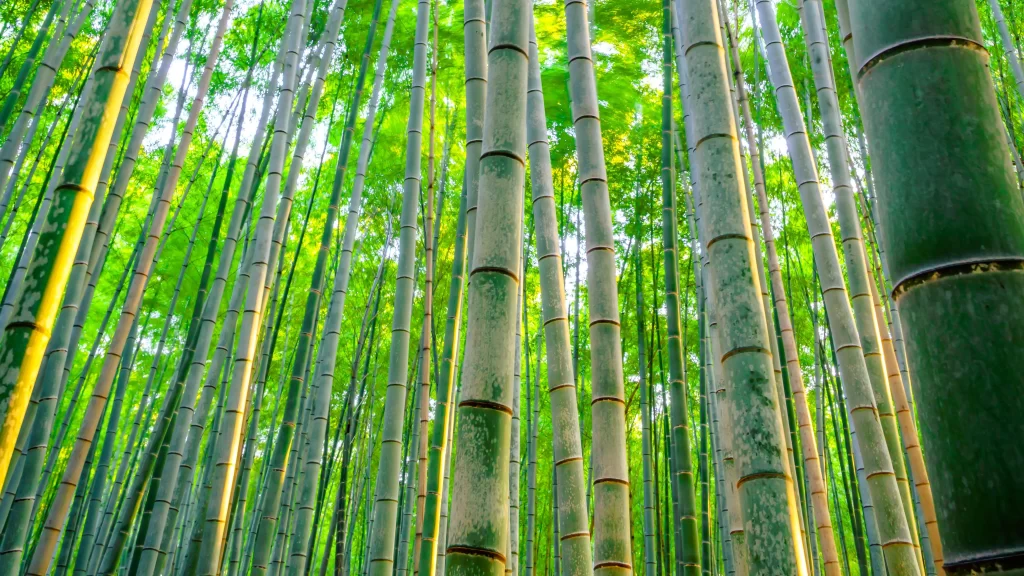
Bamboo is botanically a grass, not a tree, and its growth cycle is where its superpower lies. Species like Moso bamboo, commonly used for pulp, can grow up to a meter in a single day and reach maturity for harvesting in just 3-5 years. Unlike trees that are cut down entirely, bamboo is selectively harvested. Its extensive root system remains intact, preventing soil erosion and allowing the plant to regenerate vigorously from the same roots year after year for decades. This makes it a truly renewable, self-propagating crop.
The environmental advantages are quantifiable. Bamboo forests are exceptional at carbon sequestration, absorbing more CO₂ and releasing more oxygen than equivalent stands of trees. According to findings highlighted in industry analyses, bamboo’s rapid growth and high biomass yield make it a powerful tool in climate change mitigation. Furthermore, its natural resistance to pests and diseases means it typically requires no pesticides or fertilizers to thrive, protecting surrounding soil and water quality.
Real-world initiatives demonstrate this potential. For instance, regional developments in areas like Chishui City in China are actively building a “bamboo instead of plastic” industrial chain. Research indicates that producing one ton of full-bamboo-pulp products can reduce carbon emissions by approximately six tons compared to conventional materials, showcasing the tangible climate benefits of scaling bamboo utilization.
Inside Our Process: Where Sustainability Meets Quality Engineering
From Bamboo to Pulp: A Closed-Loop System
The journey of our toilet paper begins in sustainably managed bamboo forests. At our facility, the transformation is guided by a principle of minimal waste and maximal efficiency.
- Sustainable Sourcing & Preparation: Harvested bamboo stalks are cleaned and chipped. We prioritize sourcing from FSC-certified (Forest Stewardship Council) plantations, ensuring responsible forest management that protects biodiversity and workers’ rights.
- Pulping Innovation: We utilize a combination of mechanical and chemical processes designed to maximize yield while minimizing environmental impact. Research published in journals such as China Pulp & Paper explores advanced pretreatment methods like twin-screw extrusion, which can significantly improve pulp yield and fiber quality while reducing energy consumption. Our closed-loop chemical recovery system recycles over 95% of process water and cooking chemicals, drastically reducing freshwater consumption and effluent.
- Elemental Chlorine-Free (ECF) Bleaching: To achieve the bright, clean appearance consumers expect, we use an ECF bleaching process. This method, which employs chlorine dioxide, is a global environmental standard that virtually eliminates the formation of harmful dioxins, ensuring the final product is safe for both people and the planet.
Engineering Softness and Strength: The Science of the Fiber
A common misconception is that “eco-friendly” means “rough and scratchy.” This is where bamboo’s innate fiber structure comes into play.
Bamboo fibers are naturally long and slender. In the pulping process, we carefully refine these fibers to preserve their length, which is key to creating a sheet that is both strong and soft. Longer fibers create more binding points, resulting in a paper with high wet tensile strength—meaning it doesn’t fall apart when wet. Concurrently, through controlled refining and cutting, we achieve the desired level of surface softness.
Innovative research is continuously improving this balance. Studies, such as those published on ScienceDirect, investigate the use of ultrasound and cellulase enzyme treatments as green technologies to gently modify the fiber surface, further enhancing softness without compromising the paper’s integrity or resorting to harsh chemicals. Our in-house quality control includes rigorous testing for key metrics like absorbency, basis weight, and sheet formation to ensure consistency and comfort in every roll.
Debunking Myths: Separating Fact from Fiction
The “Dissolving” Debate: Is It Septic-Safe?
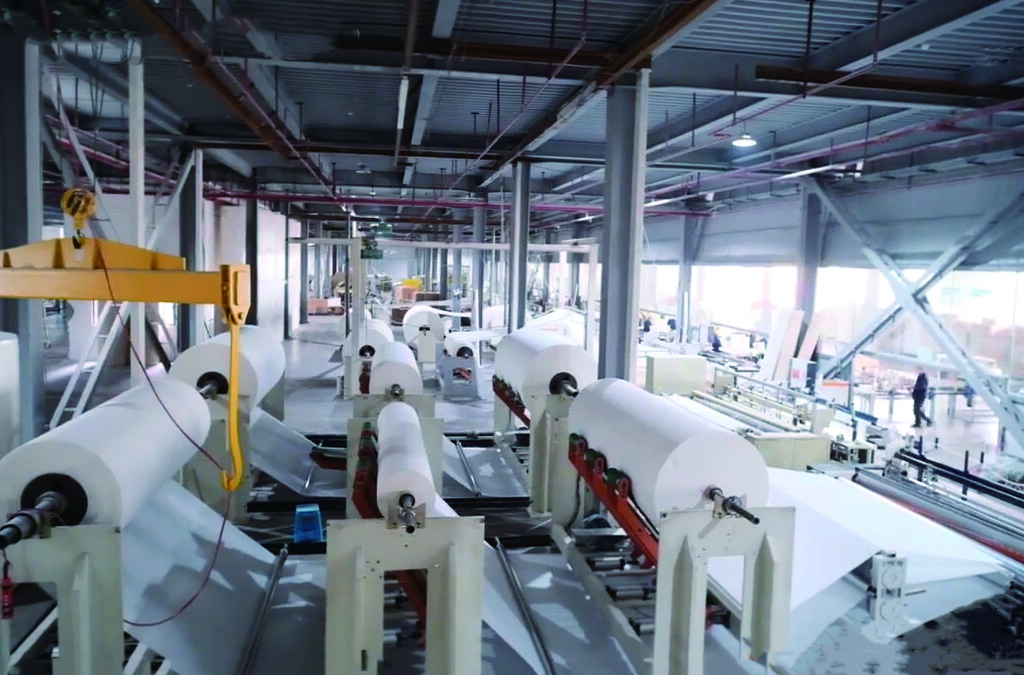
A top concern for consumers is whether bamboo toilet paper dissolves properly. The truth is, dissolvability depends more on the paper’s manufacturing process and structure than on its raw material. All quality toilet paper, whether bamboo or wood pulp, is designed to break down quickly in water.
We subject our bamboo tissue to standardized slosh-box disintegration tests, which simulate the agitation inside a sewer system. Products that pass this test are certified as safe for septic systems and municipal wastewater treatment plants. Reputable standards, such as those outlined by the International Association of Plumbing and Mechanical Officials (IAPMO), provide clear guidelines for flushability. Our product meets or exceeds these requirements, ensuring it disperses rapidly to prevent clogs.
The Carbon Footprint of Transportation
“Since most bamboo grows in Asia, doesn’t shipping it worldwide negate its green benefits?” This is a vital and complex question. A comprehensive answer requires a Life Cycle Assessment (LCA) that analyzes impacts from cradle to grave: cultivation, processing, shipping, use, and disposal.
While transportation is a factor, the overwhelmingly positive environmental profile in the growth and production phases often compensates. Bamboo’s incredible carbon drawdown during its life, coupled with efficient manufacturing, creates a product with a low carbon footprint at the point of export. Furthermore, as global demand grows, regional bamboo pulp and paper production is expanding, shortening supply chains. For example, our facility is strategically located to serve markets efficiently. An insightful LCA study, such as one accessible through the TU Delft University repository, on industrial bamboo products concluded that with optimized systems, bamboo products can achieve a carbon-negative footprint, meaning they store more carbon than is emitted throughout their lifecycle.
Transparency and Certifications: Your Guarantee
The market is not without its “greenwashing.” Some products labeled “bamboo” may be blends with conventional wood pulp. This is where third-party certifications become your essential tool.
- FSC Certification: The Forest Stewardship Council label is the gold standard. An FSC certification on bamboo toilet paper guarantees the bamboo was sourced from a responsibly managed forest that protects ecosystems and community rights. Organizations like FSC are even leveraging technology like satellite monitoring to ensure supply chain integrity.
- Other Key Labels: Look for certifications like EU Ecolabel or Green Seal, which set strict environmental and performance criteria across the product’s entire lifecycle.
- Ingredient Transparency: Reputable brands will clearly state the fiber composition, ideally “100% Bamboo Pulp.”
A Conscious Consumer’s Guide to Choosing Bamboo Toilet Paper
Making the switch is a powerful step. Here’s how to ensure your choice has the maximum positive impact:
- Prioritize Certifications: Always look for the FSC label. This is your single best assurance of sustainable sourcing and ethical production practices.
- Check the Fiber Content: Opt for products that specify 100% bamboo pulp, not “bamboo blend,” which can contain unspecified amounts of virgin wood pulp.
- Evaluate the Packaging: The product’s green credentials shouldn’t be wrapped in plastic. Seek out brands using plastic-free, recyclable paper packaging.
- Consider the Process: Brands that mention ECF/TCF bleaching and a closed-loop water process are typically investing in cleaner manufacturing.
- Feel the Quality: Don’t assume eco-friendly means a compromise. High-quality bamboo toilet paper should be soft, strong when dry, and disintegrate quickly when wet. Many offer satisfaction guarantees.
Our Commitment: Beyond the Roll
For us, manufacturing bamboo pulp is more than a business; it’s a commitment to a circular future. We view our operations as part of a larger ecosystem:
- Waste Not: The residual material from our pulping process is converted into bioenergy to power our plant or composted for agriculture.
- Community Partnership: We work directly with local bamboo growers, providing a stable, long-term income that incentivizes forest conservation over land conversion.
- Continuous Innovation: We invest in R&D to further reduce our energy footprint, explore even greener bleaching technologies, and develop new bamboo-based products that can replace plastics and other high-impact materials.
Conclusion: Your Choice Shapes the Future
The switch to bamboo toilet paper is a small, simple act with profound collective potential. It represents a vote for a circular economy—one that values rapid renewal over depletion, clean production over pollution, and transparency over obscurity.
By choosing a certified, high-quality bamboo product, you are directly contributing to the protection of ancient forests, the reduction of carbon emissions, and the support of sustainable industries. You are proving that everyday products can be both exceptionally functional and fundamentally responsible.
We invite you to be part of this regeneration. Explore our website to learn more about our process, verify our certifications, and see how we are working to turn a humble grass into a powerful force for global good. Together, we can ensure that the most routine of choices leaves a legacy of forest health and environmental integrity for generations to come.
Why Partner with Newland Bamboo: From Insight to Action
Understanding the “why” behind bamboo toilet paper is the first step. Choosing the right partner to bring that sustainability into your home or business is the next.
At Newland Bamboo, we move beyond simply manufacturing. We are cultivators of a closed-loop philosophy, rooted in the exceptional qualities of bamboo itself. Our commitment begins with purity: we insist on using 100% virgin bamboo pulp. Unlike products blended with recycled fibers, this ensures every sheet originates from traceable, sustainably managed bamboo groves, offering superior fiber length and strength while avoiding potential chemical residues.
Our responsibility extends deep into the manufacturing process. We employ chlorine-free bleaching (TCF/ECF) technologies and maintain a closed-loop water system to minimize our environmental footprint. We believe true sustainability must be verifiable, which is why our products and processes adhere to the highest international standards, including FSC® certification where applicable.
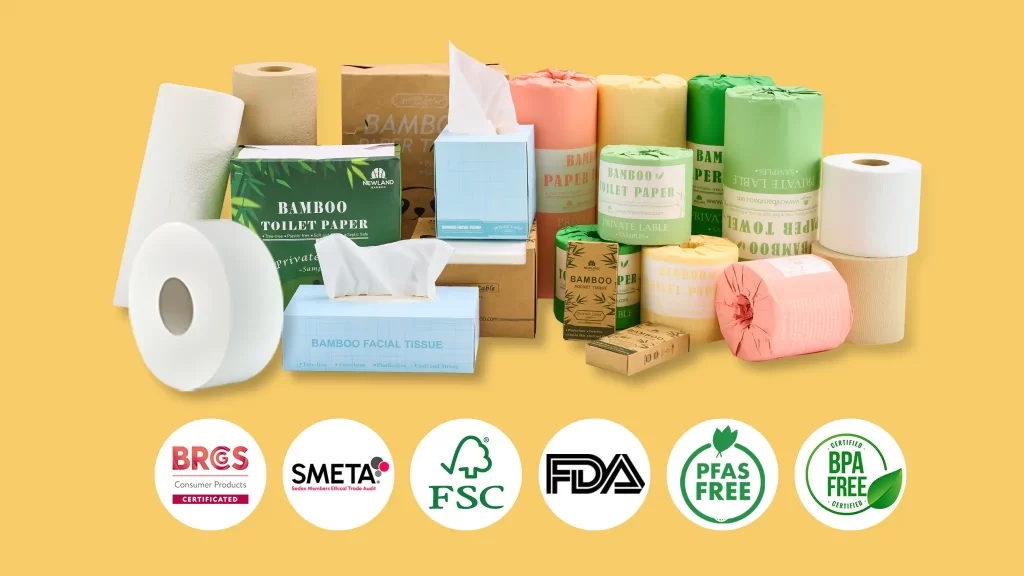
We cater to conscious consumers and forward-thinking businesses alike:
- For Individuals & Households: Experience the natural softness and strength of premium bamboo tissue through our direct retail channels.
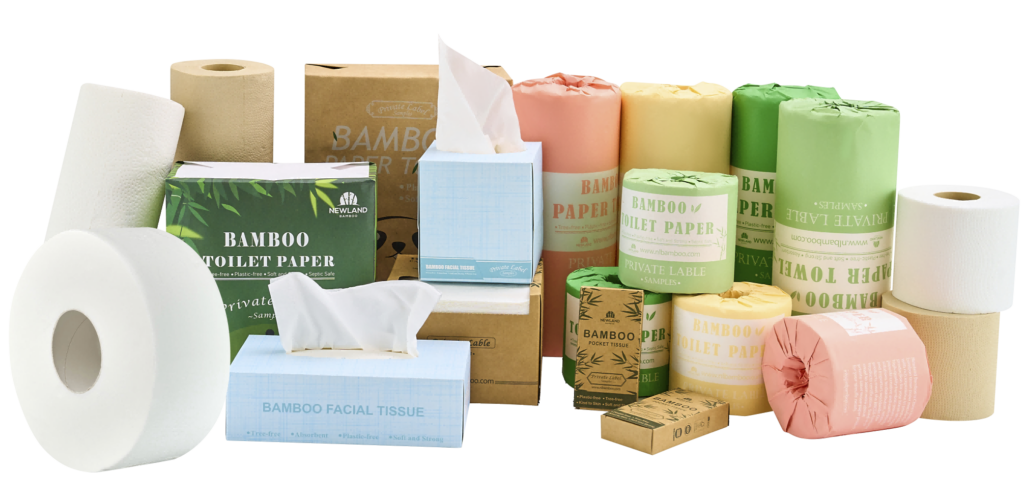
- For Hotels, Boutiques & CSR-Driven Brands: Our custom B2B solutions offer private labeling, custom sizing, and tailored packaging to seamlessly align with your brand’s sustainability story.
- For Distributors & Retailers: Partner with a reliable source. We offer scalable supply, comprehensive certifications, and competitive logistics to help you grow the green product category in your market.
Ready to Make the Switch?
Let’s build a more sustainable supply chain together. [Contact our sales team today] to request samples, discuss bulk pricing, or explore co-branding opportunities. Choose Newland Bamboo—your trusted partner in sustainable hygiene.
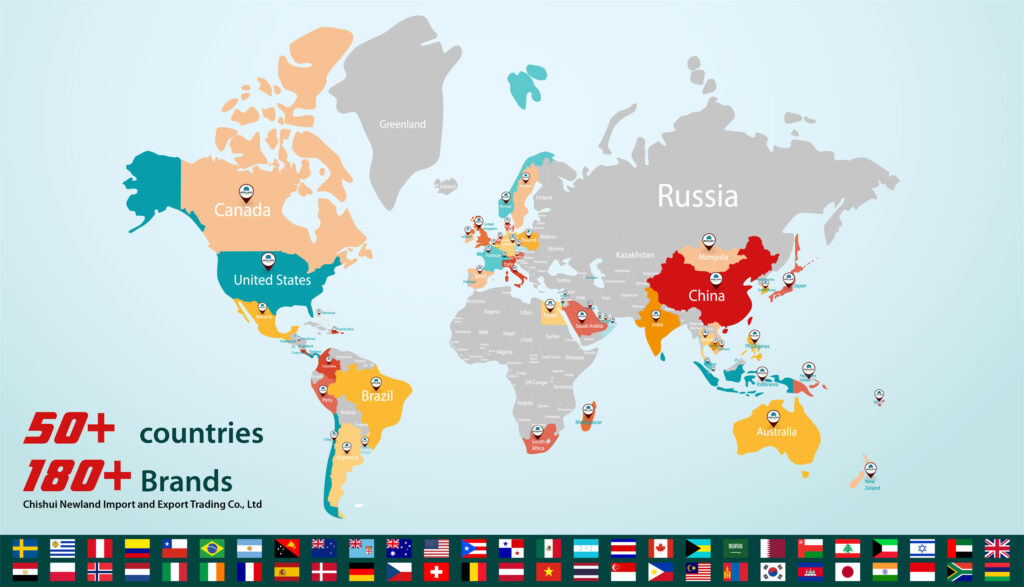
Frequently Asked Questions About Bamboo Toilet Paper
-
What is the actual difference between bamboo and regular wood-pulp toilet paper?
The core difference lies in the raw material and its renewability. Bamboo is a fast-growing grass, reaching maturity in 3-5 years and regenerating from its roots after harvest. This makes it vastly more sustainable than hardwood trees, which can take decades to grow. In terms of performance, long bamboo fibers can create a sheet that is both soft and remarkably strong.
-
Is bamboo toilet paper truly more eco-friendly, or is it just “greenwashing”?
Authentic sustainability requires a full lifecycle approach. Newland Bamboo’s commitment is threefold:
1) Sourcing: We prioritize bamboo from responsibly managed forests.
2) Production: Our energy and water-efficient processes, like chlorine-free bleaching, reduce chemical use and pollution.
3) Transparency: We encourage scrutiny of our certifications and processes. Real results, not just claims, define our environmental stance. -
How can I identify high-quality bamboo toilet paper? What should I look for on the packaging?
1.Fiber Content:
“100% Virgin Bamboo Pulp”: Best. Pure, strong fibers, traceable source.
“Bamboo Pulp” or “Pure Bamboo”: May contain recycled content, less specific.
Our Recommendation: Insist on clearly labeled “100% Virgin Bamboo Pulp” for premium quality.2.Product Type & Standard:
Facial Tissue / Towel: Higher wet strength, purer, safe for skin contact.
Toilet Tissue / Bathroom Tissue: Designed to disperse quickly in water.
Our Recommendation: Choose the product type suited for its purpose. Do not use toilet tissue as facial tissue. -
Can bamboo toilet paper be used on the face?
This depends entirely on the product type. Products manufactured as facial tissues (meeting higher safety and strength standards) are perfectly suitable. However, products designed specifically as toilet tissue are engineered to break down rapidly in water and are not recommended for facial use. Always check the intended use on the packaging.
-
Do you offer samples, custom branding, and bulk orders for businesses?
Absolutely. We actively partner with businesses of all sizes. We provide sample kits for evaluation, support full custom branding (logo, packaging design, sheet count), and have flexible B2B bulk order programs with competitive pricing. Please get in touch with our business development team to discuss your specific needs.