Introduction
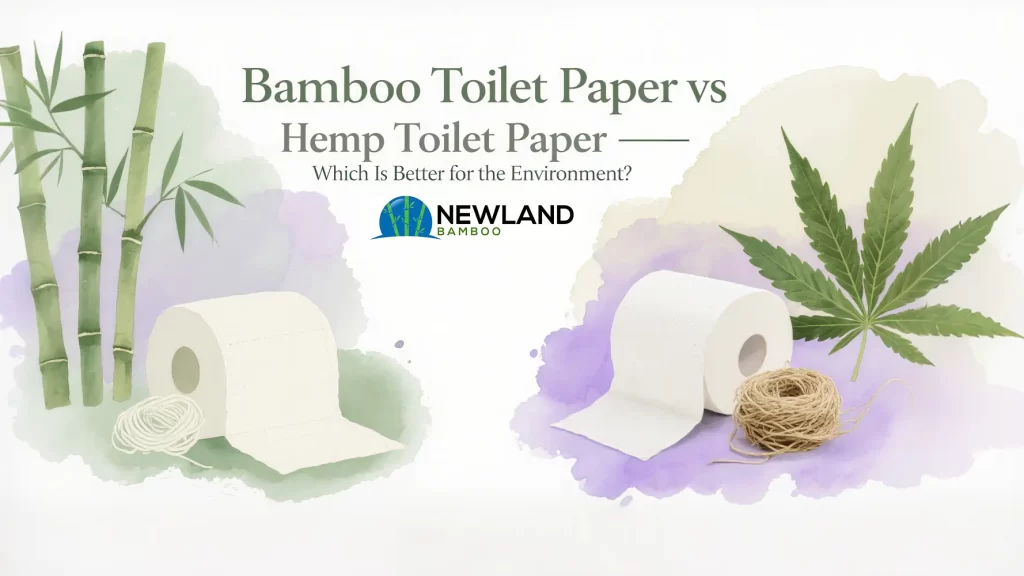
Bamboo toilet paper vs hemp toilet paper is an emerging comparison in the eco-friendly tissue market as brands and buyers search for innovative, sustainable alternatives to virgin wood pulp. Both bamboo and hemp are fast-growing plants that can be turned into high-quality tissue products, but their characteristics, environmental benefits, and market positioning differ in several key ways.
In recent years, both bamboo and hemp have gained attention for their potential to reduce deforestation and offer biodegradable, chemical-free options for daily hygiene. While bamboo tissue has already established a strong presence in premium and mainstream markets, hemp toilet paper is still in the early stages of market adoption but is gaining momentum as hemp cultivation expands globally.
This article compares bamboo toilet paper and hemp toilet paper from the perspective of raw materials, production processes, environmental performance, texture, cost, and suitability for different buyers — particularly in the B2B wholesale and OEM/ODM supply chain.
What Is Bamboo Toilet Paper?
Bamboo toilet paper is made from bamboo fibers harvested from fast-growing bamboo plants, typically reaching maturity in 3–5 years. Bamboo regenerates naturally without the need for replanting, which makes it a renewable and sustainable raw material.
Bamboo tissue is known for its softness, durability, and hypoallergenic properties. The production process involves pulping bamboo stalks, refining the fibers, and converting them into smooth tissue rolls. Bamboo toilet paper is widely available in both luxury eco-friendly brands and mainstream retail shelves, making it a popular choice for consumers and institutions seeking premium sustainability.
Notable features:
- Fast-regenerating raw material with minimal agricultural input
- Naturally smooth, soft texture with strong fiber structure
- Biodegradable and septic-safe
- Often certified by FSC, BPI, or compostable standards
What Is Hemp Toilet Paper?
Hemp toilet paper is produced from hemp fibers extracted from the stalks of the hemp plant (Cannabis sativa L.). Unlike bamboo, hemp is an annual crop that matures in 3–4 months, allowing for multiple harvests per year in suitable climates. Hemp fibers are among the strongest natural plant fibers and have been used historically for textiles, rope, and paper.
Hemp toilet paper is relatively new to the consumer market due to historical restrictions on hemp cultivation in many countries. However, as legal frameworks change, hemp tissue is attracting interest for its durability, low environmental footprint, and potential as a niche eco-friendly product.
Notable features:
- Extremely fast growth cycle with high fiber yield per acre
- Strong, naturally antimicrobial fibers
- Requires fewer chemical treatments compared to traditional wood pulp
- Still less widely available than bamboo tissue
Key Differences Between Bamboo and Hemp Toilet Paper
| Feature | Bamboo Toilet Paper | Hemp Toilet Paper |
|---|---|---|
| Raw Material | Bamboo grass (3–5 years to mature, regenerates naturally) | Hemp plant stalks (3–4 months growth cycle) |
| Environmental Impact | Renewable, absorbs carbon, minimal pesticide use | Renewable, high fiber yield, soil-restorative crop |
| Texture & Comfort | Soft, smooth, premium feel | Slightly coarser, strong, may feel more textured |
| Market Availability | Widely available globally | Limited availability, niche markets |
| Price Range | Moderate to high (premium segment) | Often higher due to limited production scale |
| Certifications | Commonly FSC, BPI, compostable | Possible organic, FSC, sustainable agriculture labels |
| Best for | Premium markets, sensitive skin, eco-luxury branding | Niche eco-conscious buyers, specialty retailers |
Environmental Impact Comparison
Bamboo Toilet Paper
Bamboo grows rapidly, with some species reaching up to 90 cm per day. It requires little to no irrigation, no pesticides, and contributes to carbon sequestration. Managed bamboo plantations can provide a consistent and scalable source of raw material. However, bamboo is often grown in Asia, and international shipping can contribute to its carbon footprint.
Hemp Toilet Paper
Hemp’s short growth cycle and high yield make it one of the most resource-efficient crops. It can improve soil health through phytoremediation and requires relatively little water. Hemp cultivation can occur in diverse climates, reducing transportation distances if local supply chains are established. However, limited processing infrastructure for hemp paper means higher costs and less consistent availability compared to bamboo.
Which One Should You Choose?
For B2C Consumers:
Choose bamboo toilet paper if you want a softer, widely available product with proven market presence.
Choose hemp toilet paper if you value strong, naturally antimicrobial fibers and want to support emerging eco-friendly products.
For B2B Buyers:
Hotels, premium retailers, and large distributors may find bamboo toilet paper more practical due to its established supply chains and customization options.
Specialty organic stores and niche eco-brands might choose hemp toilet paper to differentiate their product offerings and appeal to sustainability trendsetters.
Supply Chain and OEM/ODM Considerations
Bamboo Toilet Paper Supply Chain
- Origin: Primarily Asia-based plantations with global export networks
- Production Capacity: Stable, large-scale manufacturing available
- Customization: Wide range of embossing, ply count, packaging styles
Hemp Toilet Paper Supply Chain
- Origin: Emerging production in North America, Europe, and parts of Asia
- Production Capacity: Limited; dependent on regional hemp industry development
- Customization: Possible but may have constraints due to smaller production runs
For wholesalers, offering both bamboo and hemp options can expand market reach and build a diversified, future-proof eco-friendly product line.
Conclusion
Bamboo toilet paper and hemp toilet paper are both promising alternatives to traditional wood pulp products. Bamboo leads in availability, softness, and established supply networks, while hemp offers rapid growth cycles, soil benefits, and strong natural fibers. The right choice depends on buyer priorities, whether that is comfort and market readiness or innovation and environmental impact.
From a B2B perspective, sourcing both can help meet diverse customer needs and strengthen brand sustainability credentials.
FAQ
-
Is hemp toilet paper softer than bamboo toilet paper?
No, bamboo toilet paper is generally softer, while hemp tends to have a slightly coarser texture.
-
Is hemp toilet paper safe for septic systems?
Yes, hemp toilet paper is biodegradable and septic-safe.
-
Does bamboo toilet paper have a lower carbon footprint than hemp?
It depends on sourcing and transport distances. Hemp can have a lower footprint if grown and processed locally.
-
Which is more expensive, bamboo or hemp toilet paper?
Hemp toilet paper is often more expensive due to smaller-scale production and limited supply chains.
Call to Action — Partner with a Sustainable Toilet Paper Manufacturer
Whether you want to source bamboo toilet paper for premium softness or hemp toilet paper for niche eco-conscious appeal, Newland Bamboo provides both with full OEM/ODM customization, certifications, and reliable bulk supply. Contact us today to request free samples and explore how we can help you meet your sustainability and market goals.