What is Formaldehyde and Why is it Used in Paper Products?
Formaldehyde is a colorless gas commonly used in manufacturing building materials, textiles, and certain paper products. In the paper industry, it can appear as part of:
- Wet-strength resins (to make paper more durable when wet)
- Adhesives in multi-layer paper products
- Preservatives to extend shelf life in humid environments
However, for toilet paper — especially premium or eco-friendly products — formaldehyde is not essential to the manufacturing process. Many modern producers avoid it entirely, opting for safer methods to meet quality requirements.
Bamboo Toilet Paper vs. Wood Pulp Toilet Paper in Chemical Processing
1. Raw Material Differences
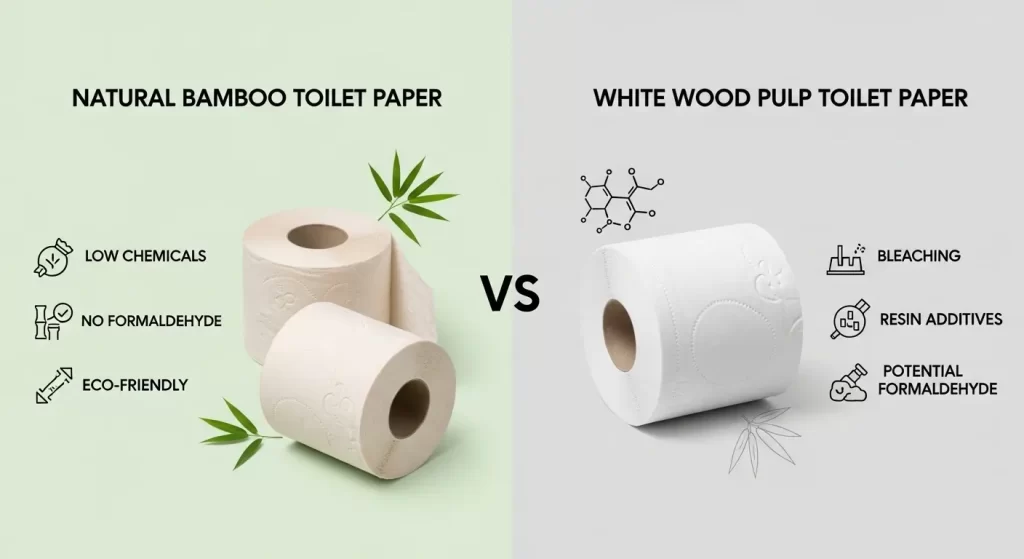
- Wood pulp toilet paper often undergoes extensive bleaching and chemical treatment to achieve ultra-white color and extra softness.
- Bamboo toilet paper can be processed with less aggressive chemicals due to bamboo’s naturally light fiber color and strong tensile strength.
2. Bleaching Methods
- Chlorine-based bleaching can create unwanted byproducts like dioxins and may involve harsher chemicals.
- Many bamboo toilet paper manufacturers use ECF (Elemental Chlorine Free) or TCF (Totally Chlorine Free) methods, reducing chemical risks.
3. Resin & Additives
While some conventional papers use formaldehyde-based resins, reputable bamboo toilet paper brands avoid them, instead using plant-based binders or relying on the fiber’s natural bonding ability.
How to Ensure Your Bamboo Toilet Paper is Formaldehyde-Free
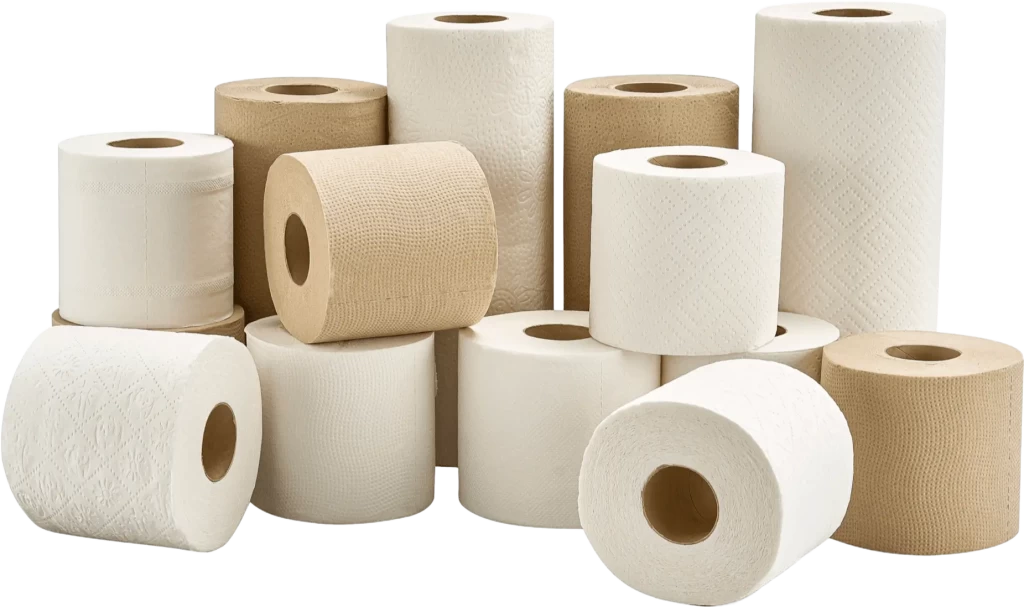
1. Check Certifications
Look for trusted marks that indicate safe, eco-friendly production:
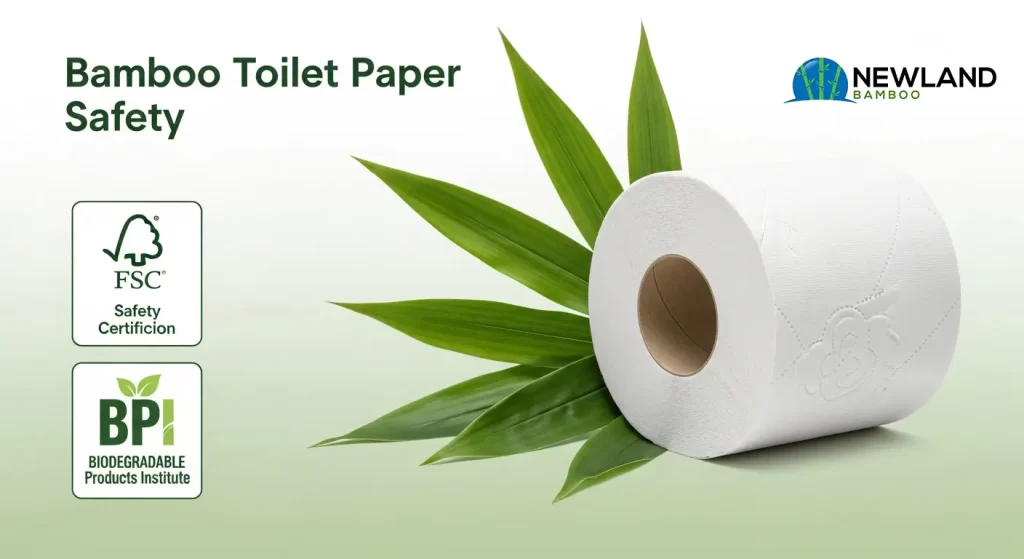
- FSC® – Responsible forest and bamboo sourcing
- BPI® – Compostable and biodegradable verification
- EU REACH – Compliance with chemical safety standards
- FDA / EPA – Approved for safe consumer use
2. Request a Material Safety Data Sheet (MSDS)
If you are buying for a business or retail distribution, ask your supplier for the MSDS or third-party laboratory report confirming “formaldehyde not detected.”
3. Verify the Supplier
Work with direct manufacturers instead of middlemen to reduce the risk of mislabeling or false claims.
Conclusion
Bamboo toilet paper, when sourced from a reputable manufacturer, is naturally safe and free from harmful formaldehyde. For both everyday consumers and bulk buyers, the key is to verify certifications and testing reports before making a purchase. Choosing high-quality bamboo tissue not only protects health but also supports a more sustainable paper industry.
FAQ
-
Why would toilet paper contain formaldehyde?
Some manufacturers use it in wet-strength resins or adhesives to improve durability, but it’s unnecessary for high-quality toilet paper.
-
Is bamboo toilet paper naturally formaldehyde-free?
Yes, bamboo fibers do not require formaldehyde in production. Reputable manufacturers avoid harmful additives and use safe processing methods.bamboo fibers do not r
-
How can I check if bamboo toilet paper is formaldehyde-free?
Look for certifications such as FSC® and BPI®, and request third-party lab reports or an MSDS from your supplier.
-
Is unbleached bamboo toilet paper safer?
Yes. Unbleached bamboo toilet paper skips the bleaching process entirely, reducing chemical exposure.
-
Is bamboo toilet paper better for sensitive skin?
Yes. Bamboo fibers are naturally smooth and gentle, making them ideal for sensitive skin when free from harsh chemicals.Bamboo fi
Looking for Certified Formaldehyde-Free Bamboo Toilet Paper?
If you are a retailer, distributor, or brand owner, sourcing safe and eco-friendly bamboo toilet paper is easier with a trusted manufacturer.
At Newland Bamboo, we:
- Manufacture exclusively with formaldehyde-free, chlorine-free processes
- Provide FSC® and BPI® certifications
- Offer OEM & ODM customization for your brand
- Supply third-party lab reports for every batch
📩 Contact us today to request free samples and get a full chemical safety report before you order.