Is Bamboo Toilet Paper Non-Toxic? Facts & Buying Tips
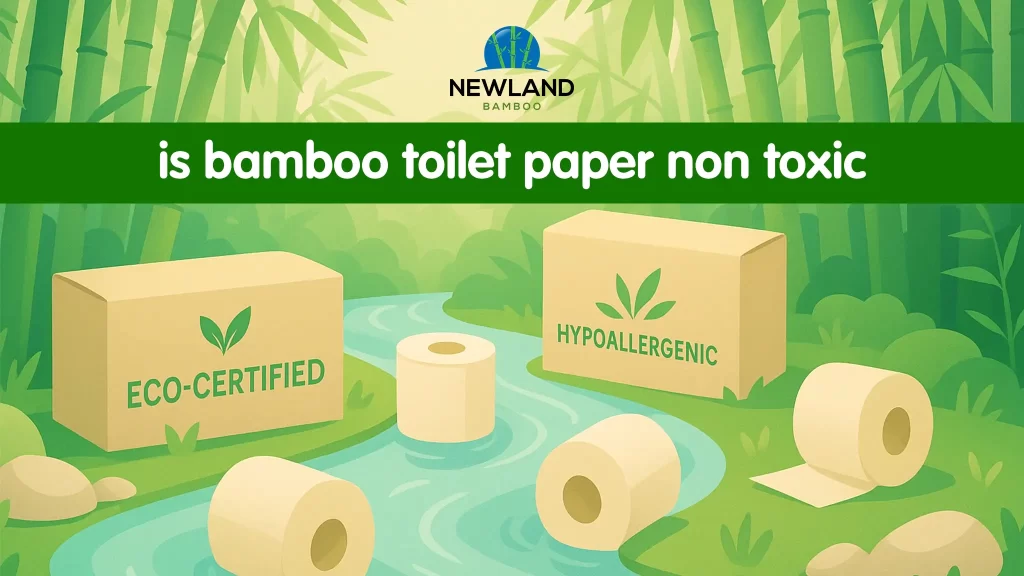
Is Bamboo Toilet Paper Non-Toxic?
Yes, most
is non-toxic because it is made without chlorine bleach, BPA, synthetic fragrance, or dyes. Unlike traditional toilet paper, high-quality bamboo alternatives are processed using safer, eco-friendly methods, making them a better choice for sensitive skin and sustainable living.
Bamboo toilet paper is often marketed as a healthier, more sustainable option—but is it truly non-toxic? In short,
yes, most bamboo toilet paper is non-toxic
because it is free from harmful chemicals like chlorine bleach, BPA, dyes, and artificial fragrance. However, not all brands are created equal. This guide will help you understand what makes bamboo toilet paper safe and how to choose the right one.
Watch: A breakdown of why traditional toilet paper may be toxic—and how bamboo alternatives compare.
Why Are People Worried About Toxins in Toilet Paper?
Most traditional toilet paper is made from wood pulp and treated with chemicals that improve texture and appearance. But these treatments come at a cost:
Chlorine-based bleaching
: Used to whiten paper, it can leave behind dioxins—linked to cancer and hormone disruption.
BPA (Bisphenol-A)
: Sometimes present in recycled toilet paper.
Dyes and perfumes
: Often added for visual or scent appeal, but can irritate sensitive skin.
As awareness grows, consumers are turning to bamboo toilet paper in search of a safer, cleaner option.
What Makes Bamboo Toilet Paper Non-Toxic?
Not all bamboo toilet paper is automatically non-toxic, but many brands go the extra mile to avoid harsh chemicals. Here’s how it differs:
Ingredient
Traditional TP
Bamboo TP (Quality Brand)
Chlorine-based
TCF or unbleached
Fragrance
Synthetic
Unscented
Dyes
Often used
Usually avoided
Renewable bamboo
Look for labels like:
TCF (Totally Chlorine Free)
BPA-free
Fragrance-free / Dye-free
FSC-certified bamboo
Is All Bamboo Toilet Paper Safe?
Not always. Some brands use
bleached bamboo pulp
or mix in wood fiber without clearly stating it. Others market their product as “green” but still include dyes or artificial scents. Here’s how to avoid greenwashing:
Check ingredient disclosures
Look for third-party certifications (FSC, BPI, OEKO-TEX)
Be cautious with overly white or scented rolls
Brands that offer
transparency
and publish testing or sourcing info are more trustworthy.
What to Look for When Buying Non-Toxic Bamboo Toilet Paper
If you want to ensure you’re choosing a truly safe and non-toxic product, pay attention to these details:
Labeling
: TCF, BPA-free, fragrance-free
: FSC (sustainable forestry), BPI (compostability), OEKO-TEX (chemical safety)
: Avoid plastic wrap when possible
Origin
: Is the bamboo responsibly harvested? Is it virgin or recycled pulp?
Is Bamboo Toilet Paper Good for Sensitive Skin?
Yes, many users with
eczema, allergies, or sensitive skin
report fewer reactions when using unbleached, non-toxic bamboo paper. It tends to be:
Softer and less abrasive
Free from harsh dyes or fragrance
However, always patch-test a new brand if you have skin concerns.
Conclusion: Yes, But Read the Label
Bamboo toilet paper can be non-toxic
, but only if the manufacturer avoids harsh chemicals and commits to transparency. As with any hygiene product, ingredient scrutiny is key.
TCF or unbleached pulp
No fragrance or dye
Third-party certifications
When in doubt, contact the brand and ask questions. A truly non-toxic product should have nothing to hide.
Bamboo toilet paper is typically hypoallergenic and suitable for sensitive skin, especially if it’s unscented and unbleached.
Yes, it may have a natural beige tone, indicating it hasn’t been chemically whitened.
Is Bamboo Toilet Paper Non-Toxic? Facts & Buying Tips
is bamboo toilet paper non toxic.
Is Bamboo Toilet Paper Non-Toxic?
Yes, most bamboe toiletpapier is non-toxic because it is made without chlorine bleach, BPA, synthetic fragrance, or dyes. Unlike traditional toilet paper, high-quality bamboo alternatives are processed using safer, eco-friendly methods, making them a better choice for sensitive skin and sustainable living.
Bamboo toilet paper is often marketed as a healthier, more sustainable option—but is it truly non-toxic? In short, yes, most bamboo toilet paper is non-toxic because it is free from harmful chemicals like chlorine bleach, BPA, dyes, and artificial fragrance. However, not all brands are created equal. This guide will help you understand what makes bamboo toilet paper safe and how to choose the right one.
Watch: A breakdown of why traditional toilet paper may be toxic—and how bamboo alternatives compare.
Why Are People Worried About Toxins in Toilet Paper?
Most traditional toilet paper is made from wood pulp and treated with chemicals that improve texture and appearance. But these treatments come at a cost:
- Chlorine-based bleaching: Used to whiten paper, it can leave behind dioxins—linked to cancer and hormone disruption.
- BPA (Bisphenol-A): Sometimes present in recycled toilet paper.
- Dyes and perfumes: Often added for visual or scent appeal, but can irritate sensitive skin.
As awareness grows, consumers are turning to bamboo toilet paper in search of a safer, cleaner option.
What Makes Bamboo Toilet Paper Non-Toxic?
Not all bamboo toilet paper is automatically non-toxic, but many brands go the extra mile to avoid harsh chemicals. Here’s how it differs:
| Ingredient | Traditional TP | Bamboo TP (Quality Brand) |
|---|---|---|
| Bleken | Chlorine-based | TCF or unbleached |
| Fragrance | Synthetic | Unscented |
| Dyes | Often used | Usually avoided |
| Materiaal | Houtpulp | Renewable bamboo |
Look for labels like:
- TCF (Totally Chlorine Free)
- BPA-free
- Fragrance-free / Dye-free
- FSC-certified bamboo
Is All Bamboo Toilet Paper Safe?
Not always. Some brands use bleached bamboo pulp of mix in wood fiber without clearly stating it. Others market their product as “green” but still include dyes or artificial scents. Here’s how to avoid greenwashing:
- Check ingredient disclosures
- Look for third-party certifications (FSC, BPI, OEKO-TEX)
- Be cautious with overly white or scented rolls
Brands that offer
transparency
and publish testing or sourcing info are more trustworthy.
.
What to Look for When Buying Non-Toxic Bamboo Toilet Paper
If you want to ensure you’re choosing a truly safe and non-toxic product, pay attention to these details:
- Labeling
: TCF, BPA-free, fragrance-free - Certificeringen: FSC (sustainable forestry), BPI (compostability), OEKO-TEX (chemical safety)
- Verpakking: Avoid plastic wrap when possible
- Origin
: Is the bamboo responsibly harvested? Is it virgin or recycled pulp?
Is Bamboo Toilet Paper Good for Sensitive Skin?
Yes, many users with
eczema, allergies, or sensitive skin
report fewer reactions when using unbleached, non-toxic bamboo paper. It tends to be:
- Softer and less abrasive
- Hypoallergeen
- Free from harsh dyes or fragrance
However, always patch-test a new brand if you have skin concerns.
.
Conclusion: Yes, But Read the Label
Bamboo toilet paper can be non-toxic
, but only if the manufacturer avoids harsh chemicals and commits to transparency. As with any hygiene product, ingredient scrutiny is key.
.
Zoek naar:
- TCF or unbleached pulp
- No fragrance or dye
- Third-party certifications
When in doubt, contact the brand and ask questions. A truly non-toxic product should have nothing to hide.
.
FAQ
-
Is bamboe toiletpapier chemisch vrij?
De meeste kwalitatieve bamboe toiletpapier is vrij van chloorbleekmiddel, kunstmatige geurstoffen en kleurstoffen, maar controleer altijd het etiket.
-
Kan bamboe toiletpapier de huid irriteren?
Bamboo toilet paper is typically hypoallergenic and suitable for sensitive skin, especially if it’s unscented and unbleached.
. -
Is bamboe TP beter dan gerecycled papier?
Ja, omdat gerecycled papier BPA kan bevatten van gedrukte materialen, terwijl bamboepulp schoner en hernieuwbaar is.
-
Welke certificeringen moet ik in de gaten houden?
FSC-, BPI-, OEKO-TEX- en TCF-certificering waarborgen duurzaamheid en veiligheid.
-
Ziet ongebleekt bamboepapier er anders uit?
Yes, it may have a natural beige tone, indicating it hasn’t been chemically whitened.
.