Introduction
When you choose a package of bamboo toilet paper marketed as “eco-friendly,” have you ever wondered where its whiteness comes from? The choice of bleaching method is far more than a simple “whitening” process; it represents a critical balance between cleaning efficiency, environmental cost, and health safety. Understanding these different bleaching techniques is key to distinguishing between genuinely “green” products and those with mere “greenwashing.” This guide will clearly explain the bleaching processes for bamboo pulp, from traditional to modern methods, empowering you to make a truly informed and responsible choice.
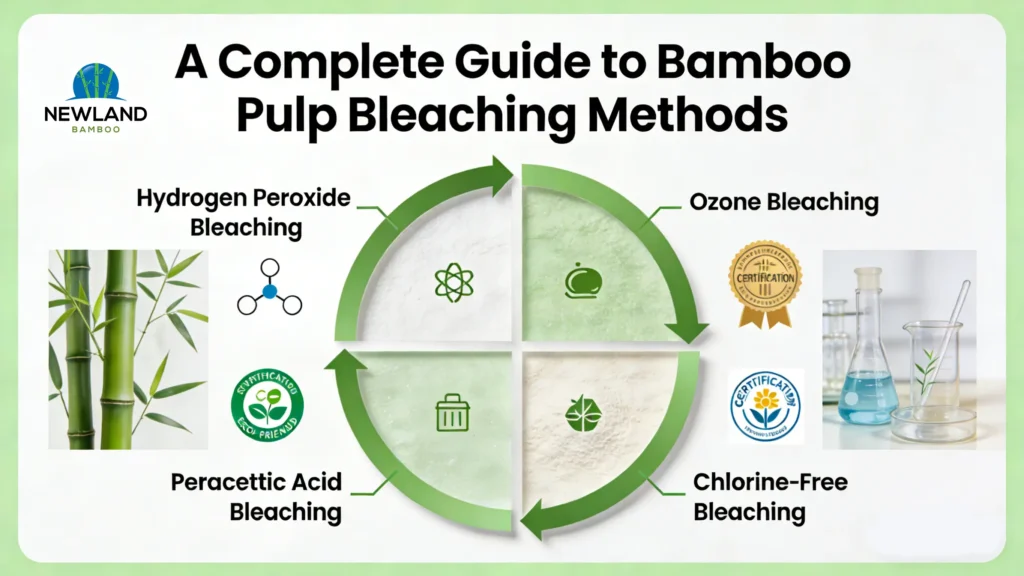
Comparison of Traditional & Modern Mainstream Bleaching Methods
This section covers the four well-defined and widely used bleaching pathways in the pulp and paper industry. Understanding them is fundamental to assessing a paper product’s environmental grade.
| Bleaching Method | Definition | Environmental Impact | Common Applications | Pros & Cons |
|---|---|---|---|---|
| Elemental Chlorine (EC) | Uses chlorine gas as the bleaching agent. | Highly Polluting. Generates large amounts of Adsorbable Organic Halides (AOX) and toxic by-products like dioxins. | Largely obsolete technology, rarely used in modern bamboo/wood pulp production. | Pros: Very low cost, highly effective.Cons: Severe harm to environment and human health. |
| Elemental Chlorine-Free (ECF) | Uses chlorine dioxide (ClO₂) instead of chlorine gas. The modern industry standard. | Significantly reduced pollution. Chlorine dioxide is more selective, generating far fewer AOX and dioxins than EC. | The most common bleaching method for global market pulp (including bamboo), balancing performance and environmental care. | Pros: Mature technology, cost-effective, much cleaner than EC.Cons: Still uses chlorine compounds, not the most eco-friendly option. |
| Totally Chlorine-Free (TCF) | Uses no chlorine compounds. Employs oxygen, ozone, hydrogen peroxide, etc. | The most eco-friendly bleaching process available. Virtually eliminates persistent organochlorine pollution. | Used for bamboo tissue and other products with very high environmental standards (premium hygiene, specialty papers). | Pros: The environmental benchmark; yields a pure, safe product.Cons: Higher cost and more complex process control. |
| Processed Chlorine-Free (PCF) | Specifically refers to paper made from post-consumer recycled fiber where no chlorine-based bleach was used in the re-pulping/processing stage. | Eco-friendly, promoting resource circularity while avoiding secondary chlorine pollution. | Only applicable to products made from recycled paper pulp (e.g., some eco-friendly copy paper, packaging). | Pros: Exemplifies circular resource use.Cons: Does not apply to virgin bamboo pulp; often results in lower whiteness/strength vs. virgin pulp. |
For a detailed comparison of ECF and TCF standards and their specific implications, you can read our dedicated article: The Bleaching Standards on Toilet Paper: ECF vs. TCF Explained。
Deep Dive: TCF Eco-Bleaching Technologies
TCF is not a single method but a combination of chlorine-free technologies. Here are its core components:
| Technology | Definition & Principle | Role & Characteristics |
|---|---|---|
| Ozone Bleaching | Uses ozone (O₃), a powerful oxidizer, to efficiently remove lignin. | Often the core initial stage in a TCF sequence. Significantly reduces the amount of chemicals needed in later stages. Reacts quickly and leaves no residue. |
| Hydrogen Peroxide Bleaching | Uses hydrogen peroxide (H₂O₂) under alkaline conditions for bleaching. | The primary final-stage bleaching agent in TCF sequences. Effectively increases brightness and stabilizes pulp color. Environmentally benign. |
| Enzyme Pre-Treatment | Uses enzymes (e.g., xylanases) to treat pulp before chemical bleaching. | A form of bio-bleaching. Gently opens up the fiber structure, reducing the amount of chemical bleach required later and improving efficiency. |
Exploring Future Bleaching Technologies
The following methods represent future R&D directions. Most are currently in lab or pilot stages, not yet commercially widespread, but they illustrate the industry’s sustainable future.
| Technology | Definition & Principle | Current Status & Challenges |
|---|---|---|
| Photocatalytic Bleaching | Uses light at a specific wavelength with a photocatalyst (e.g., titanium dioxide) to generate reactive oxygen species that degrade colorants. | Early-stage R&D. Designing efficient, low-cost photoreactors is the main challenge for industrialization. |
| Deep Eutectic Solvent Treatment | Uses specially formulated solvents from natural components to selectively dissolve lignin. | An emerging green chemistry approach. Shows great lab results, but solvent recovery and cost are barriers to scaling up. |
Why These Technologies Matter
These pioneering technologies are designed to reduce the chemical pollution associated with traditional bleaching methods by targeting the bleaching process at its source. Their ultimate goal is to create a fully sustainable product lifecycle, minimizing environmental impact from start to finish.
The Core Choice: Unbleached vs. Bleached – Two Different Paths
Having explored current and future technologies, let’s return to the fundamental choice you face: Unbleached vs. Bleached bamboo paper. This is about much more than just color.
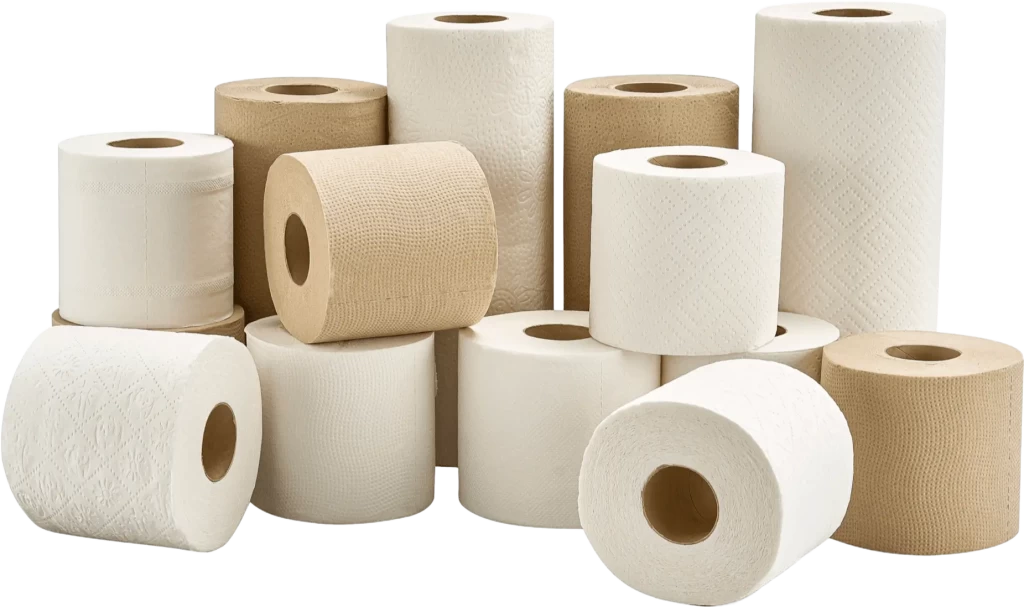
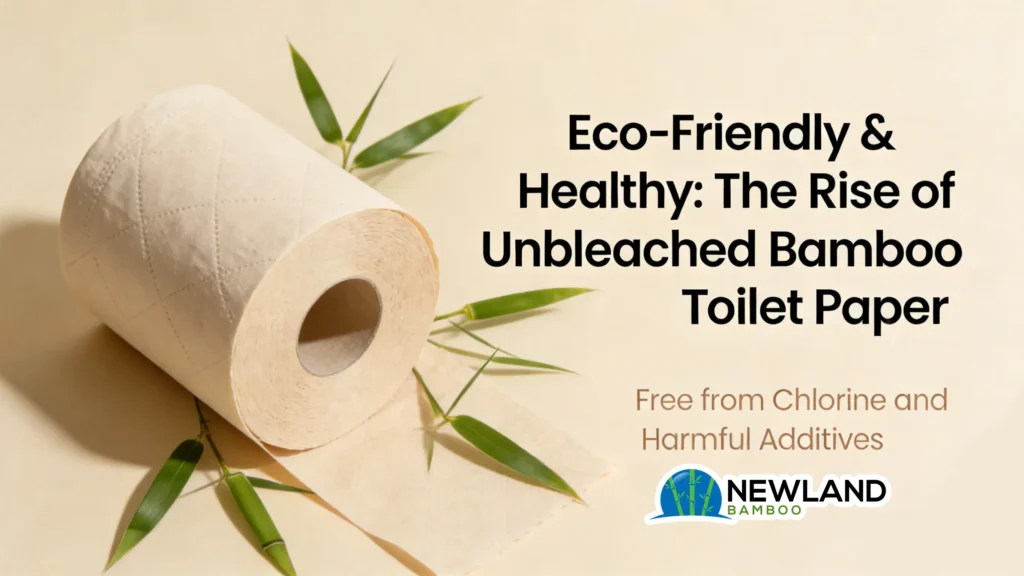
- Unbleached Bamboo Paper: The “Subtraction” Path. It relies on refined physical screening and washing to remove impurities but deliberately skips any chemical or oxidative steps aimed at increasing whiteness. It retains the natural, light tan or brown hue of bamboo fiber, with its color variation being proof of its “no-additive” process. This method is the pinnacle of process-based eco-friendliness, as it completely avoids any potential chemical residues or complex wastewater issues associated with bleaching.
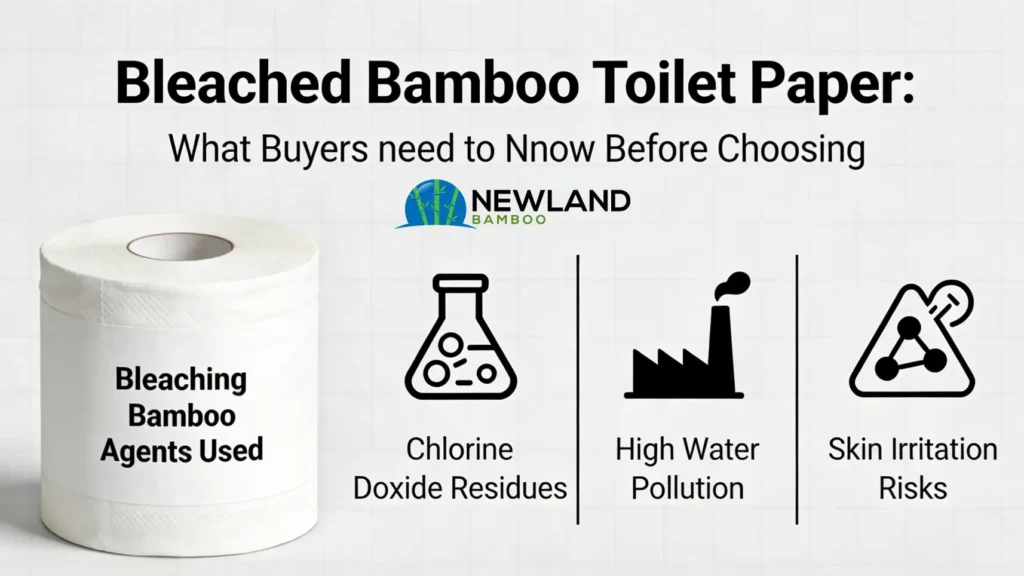
- Bleached Bamboo Paper: The “Addition” Path. It adds the crucial bleaching stage (using ECF, TCF, etc.) to the pulping process to actively degrade and remove lignin for higher brightness and uniformity. This path seeks the optimal balance between safety, environmental care, and the traditional consumer preference for a white product.
So, how do you choose?
It depends on your primary values.
- If you seek ultimate purity and minimal environmental intervention → Unbleached (Natural) Bamboo Paper.
- If you prefer a white product but demand the highest safety standard → Bleached Bamboo Paper clearly labeled TCF.
Want a detailed comparison of their practical use and buying considerations? See our consumer guide: Unbleached vs. Bleached Bamboo Toilet Paper: How Buyers Should Choose.
If you are leaning towards bleached paper and want to delve deeper into the specifics of ECF vs. TCF bleaching standards to make your final decision, our focused guide The Bleaching Standards on Toilet Paper: ECF vs. TCF Explained is an excellent resource.
Global Perspective: Bleaching Requirements and Trends in Major Markets
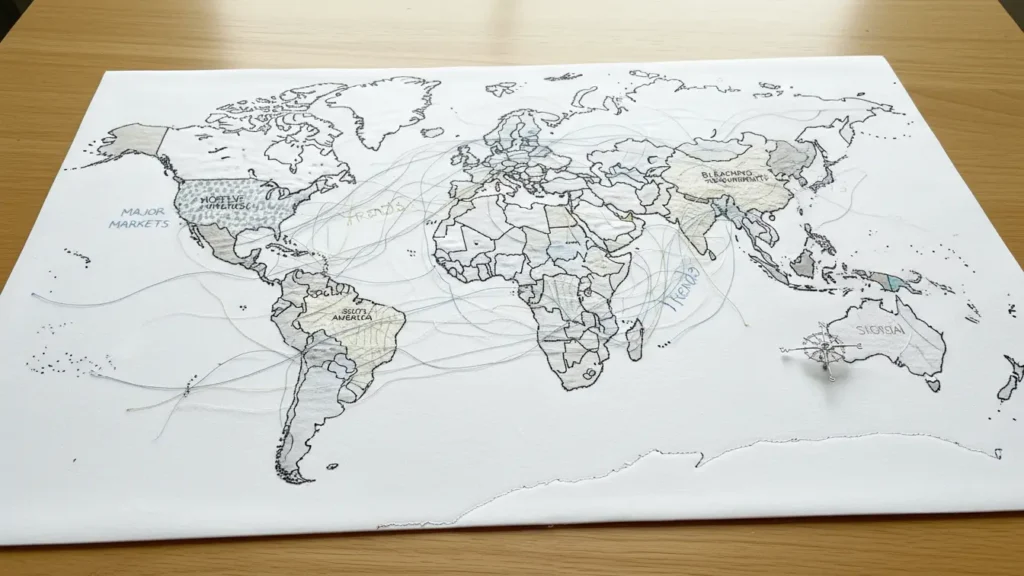
Regulations and consumer preferences in different markets profoundly influence the mainstream choice of bleaching processes. Understanding this context helps you decipher the logic behind product labels and anticipate industry trends.
- The EU Market: Regulation and Label-Driven High Standards The EU sets some of the world’s strictest environmental standards, indirectly defining premium benchmarks through labels and regulations. The EU Ecolabel is a key driver. To obtain it, the cleanliness of the production process is critically assessed. Consequently, bamboo paper positioning itself in the high-end segment of this market almost invariably requires TCF (Totally Chlorine-Free) bleaching. This process thoroughly eliminates the risk of organochlorine compounds, aligning perfectly with the label’s stringent “clean production” requirements. Upcoming regulations like the EU Deforestation-Free Regulation further reinforce supply chain sustainability, a concept synergistic with the environmental philosophy of TCF bleaching.
- The North American Market: Certification and Consumer Choice Driven The North American market is largely steered by retail channels and consumer awareness. The most recognized certification, FSC (Forest Stewardship Council), primarily focuses on sustainable sourcing of raw materials. Therefore, both ECF and TCF products can obtain FSC certification. Currently, ECF products still dominate mainstream shelves due to their cost-effectiveness. However, in the high-end natural product sector, products explicitly labeled TCF or PCF are experiencing rapid growth, indicating that “chlorine-free” is becoming a significant differentiating selling point.
- Technological Confidence and Market Trends It is noteworthy that leading bamboo pulp enterprises, particularly in China, have widely mastered and scaled the application of advanced TCF bleaching technology, with environmental standards meeting international forefront levels. Simultaneously, the rapid growth of the global market for eco-friendly tissue paper is not merely a shift in raw materials but a clear consumer vote for the “cleaning” of the entire production process, including bleaching.
How to Choose for Your Needs (Quick Decision Guide)
| Your Priority | Recommended Process | Key Action & Insight |
|---|---|---|
| Ultimate Safety & Zero Chemicals(e.g., for babies, sensitive skin) | 1. Unbleached (Natural)2. TCF Bleached | Look for Certifications: FSC, EU Ecolabel, etc.Understand the Choice: Option #1 avoids bleaching entirely; Option #2 is the highest standard within bleaching. |
| Balancing Eco-Care, Performance & Budget(Daily household use) | ECF Bleached | Set Expectations: This is the mainstream, reliable choice. It has largely eliminated the hazards of EC and is a cost-effective step towards eco-friendliness. |
| Supporting Circular Economy | PCF | Know the Scope: Applies only to products made from recycled paper. This is the green reprocessing of “waste.” |
| Avoiding “Greenwashing” | Be Wary of Vague Claims | Take Action: If a product only claims “Natural” or “Eco-friendly” but does not specify “Unbleached,” “ECF,” or “TCF,” its environmental promise may be shallow. |
Why Partner With Us? – Your Competitive Advantage in Sustainable Bamboo Pulp
For brands and buyers, choosing a bleaching process is not only about product positioning, but also a strategic decision concerning supply chain management and long-term brand reputation. Here’s how partnering with us can translate these technological advantages into a competitive edge in the market.
As Newland Bamboo, a leader in sustainable bamboo pulp production, we understand that your procurement decisions play a pivotal role in shaping your brand’s reputation, market positioning, and bottom line. By choosing to partner with us, you gain not only a reliable supplier but also a strategic partner that helps you stay ahead of the competition while aligning your business with global sustainability goals. Here’s how our expertise, innovation, and commitment to quality translate into a powerful competitive advantage for your brand:
1. Consistent, High-Quality Supply for Your Brand
- Dedicated TCF & ECF Production Lines: At Newland Bamboo, we operate dedicated, state-of-the-art production lines for both Totally Chlorine-Free (TCF) and Elemental Chlorine-Free (ECF) pulp. This ensures that every batch meets your stringent environmental and quality standards, with zero risk of contamination between different pulp types. You can rely on us to consistently deliver premium products that align with your brand’s promise of quality.
- From Bamboo Plantation to Pulp: Our integrated, fully traceable supply chain is supported by FSC-certified bamboo plantations, ensuring consistent fiber quality and minimizing supply chain risks. This provides peace of mind that every order is traceable from plantation to pulp, supporting your brand’s transparency and commitment to sustainability.
- State-of-the-Art Wastewater Treatment: We’ve invested in cutting-edge wastewater treatment systems that ensure our TCF and ECF processes meet the strictest international environmental discharge standards. This means you can confidently align with your brand’s ESG (Environmental, Social, and Governance) goals and share the value of partnering with a brand that leads in sustainable production.
2. Simplified Compliance and Access to Premium Markets
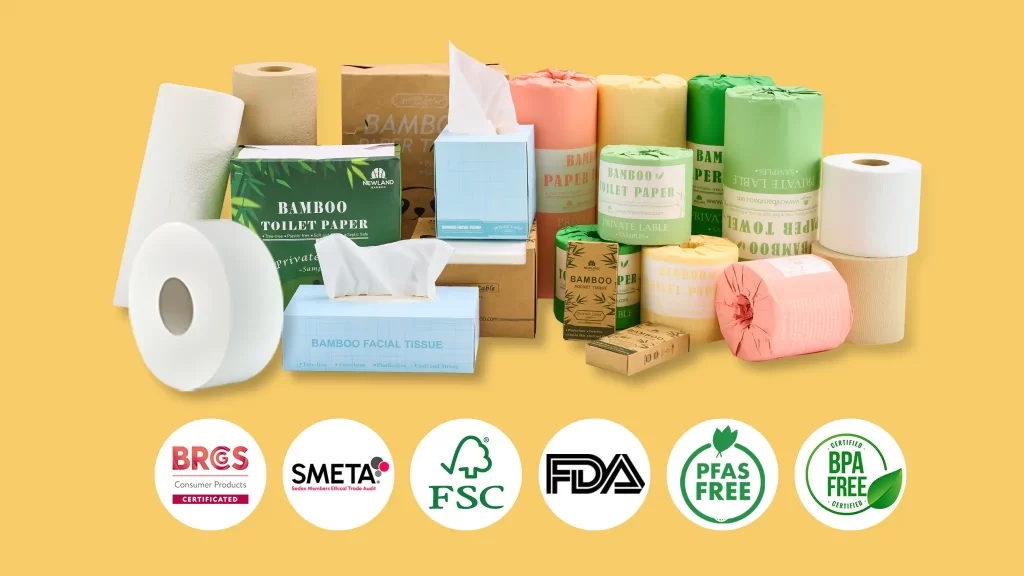
- Global Certifications: At Newland Bamboo, we are committed to meeting the highest industry standards. Our certifications open doors to regulated, premium markets, ensuring that your brand is positioned as a responsible and trusted player in the global market:
- EU Ecolabel for TCF products
- FSC® Chain of Custody for responsible sourcing
- ISO 9001 for quality management and ISO 14001 for environmental management
- REACH & FDA compliance for relevant product categories
- Comprehensive Technical Support: To simplify your due diligence process, we provide all the necessary documentation, including Mill Test Reports and Certification Sheets, assuring your customers that they are choosing a product that meets the highest sustainability and quality standards.
3. Customized Solutions for Your Brand’s Unique Needs
- Tailored Specifications: We understand that every brand is unique. That’s why we offer fully customizable options for brightness, basis weight, absorbency, and softness. We ensure that our products meet your brand’s specific requirements and cost targets while upholding the quality that your customers expect.
- Private Label & OEM Flexibility: As a trusted private label partner, we provide flexibility in roll sizes, sheet counts, embossing patterns, and packaging design. This allows you to present your brand in exactly the way you envision, with a product that stands out in the marketplace.
- Market-Specific Expertise: With our extensive knowledge of global markets, we can help you select the optimal bleaching process (TCF for premium EU brands, ECF for cost-conscious markets) and tailor the product mix to suit your target regions. This ensures that your brand is maximizing every opportunity in your specific market.
4. Maximizing Operational Efficiency and Cost-Effectiveness
- Large-Scale Production Capacity: With our robust production capabilities, Newland Bamboo ensures reliable, on-time delivery for your bulk orders, supporting your inventory planning and minimizing the risk of stockouts. Our scale allows us to meet the needs of large partners while maintaining quality and timeliness.
- Total Cost of Ownership (TCO): While TCF pulp may come with a slightly higher upfront cost, its superior quality, branding potential, and reduced regulatory risks offer a higher return on investment for discerning brands. By partnering with Newland Bamboo, you gain access to a premium product that not only helps you achieve environmental compliance but also strengthens your brand’s value and market position.
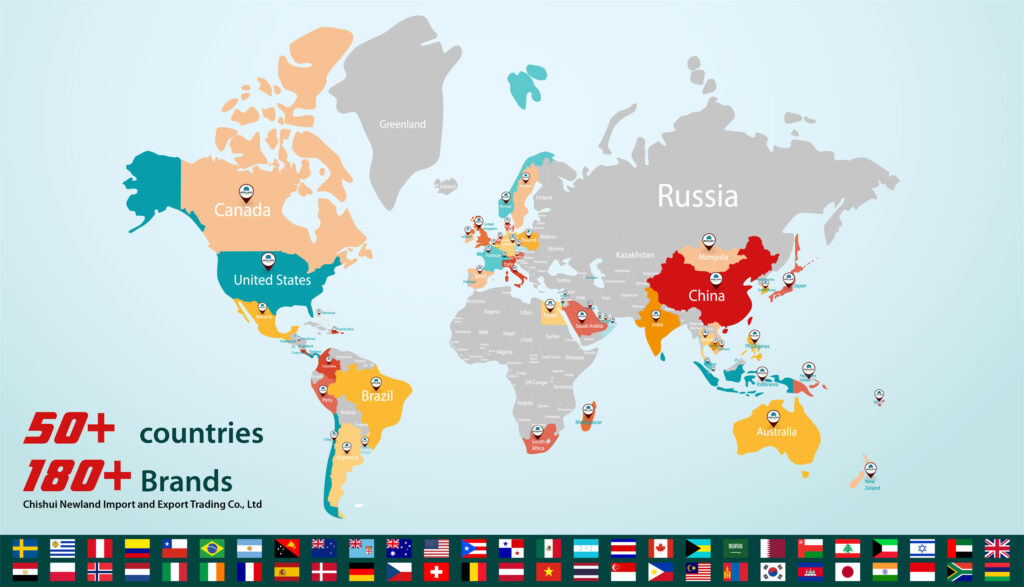
Let’s discuss how we can help elevate your brand with sustainable, high-quality bamboo pulp products. Contact Newland Bamboo today to get started!
Conclusion
In summary, the “white” or “non-white” of bamboo paper involves complex technical and ethical decisions. For consumers with clear health and environmental priorities, choosing TCF within the “bleached” path, or opting directly for “unbleached” natural paper, is a clear, responsible vote for personal well-being and planetary health. As technology advances and awareness grows, these green processes will move from premium options to mainstream standards. Your conscious choice drives the industry toward a more sustainable future.
FAQ
-
Which is a better indicator of eco-friendliness on packaging: “FSC Certified” or “TCF”?
They indicate different things. FSC Certification ensures the bamboo is sourced from responsibly managed forests (sustainable raw material). TCF indicates no chlorine-based bleach was used in production (clean process). The ideal product has both, ensuring environmental responsibility from forest to final product.
-
Why does some TCF-bleached paper feel less soft than some unbleached paper?
Softness is primarily determined by fiber length, refining process, and added softeners, not directly by bleaching. TCF bleaching does not weaken fibers. Some unbleached papers achieve high softness through superior fiber blends or post-processing. Therefore, “unbleached = rough” or “bleached = soft” is a common misconception; quality varies by product.
-
From a purely environmental perspective, which is better: TCF or Unbleached?
It’s a matter of degree. Unbleached paper has a slight edge. It completely avoids the energy consumption and indirect environmental footprint associated with manufacturing and transporting bleaching chemicals (even peroxide) for the bleaching stage itself. TCF is the champion of bleaching, but unbleached is the more radical “opt-out” choice.
-
Since bamboo paper is more eco-friendly than wood pulp paper, does the bleaching method even matter?
Yes, absolutely. The advantage of a “renewable” bamboo source can be offset by a polluting bleaching process. A truly “eco-friendly bamboo paper” must combine a sustainable raw material with a clean production process. The bleaching method is a critical part of that process.
-
How can I quickly tell which bleaching method was used?
The most direct way is to read the product packaging or description page. A responsible brand will clearly state “Unbleached,” “ECF,” or “TCF.” If it’s not specified, inquire with customer service. Vague answers often indicate the use of a less transparent (and potentially less clean) process.