Introduction: A Quiet Bathroom Revolution – From “Invisible Consumption” to “Value-driven Consumption”
In the wave of consumption upgrade, one notable trend is that people are shifting from buying “products” to buying “values.” The roll of toilet paper in the bathroom, once the most inconspicuous “invisible consumption,” is now becoming a yardstick for a family’s health and environmental awareness. The myth of “pure whiteness” represented by traditional white toilet paper is being broken, as more and more consumers become aware of the potential irritants left behind by chlorine bleaching, dioxins, and fluorescent whitening agents.
At the same time, natural personal care products like unbleached bamboo toilet paper are moving from niche choices to mainstream visibility. It represents not only a product but an attitude: extreme care for one’s own health and a proactive responsibility towards the planet. Market data strongly supports this shift: the global demand for eco-friendly paper products is surging, and related markets are growing at a pace several times faster than traditional categories. This quiet “bathroom revolution” signals the arrival of a more rational and green consumption era.
Redefining “Purity”: A Deep Dive into the Birth of Unbleached Bamboo Toilet Paper
To understand the value of unbleached bamboo toilet paper, we first need to look at “where it comes from” and “what it has not undergone.”
Raw Material Source: Why Bamboo?
Bamboo is not a tree, but a fast-growing grass. Its advantages include:
- Remarkable Regeneration Ability: Mature bamboo forests can be selectively harvested each year, with bamboo shoots constantly growing, forming a sustainable loop that puts zero pressure on forests.
- Significant Ecological Contribution: Bamboo forests have a carbon sequestration ability far surpassing that of typical trees, making them excellent carbon sinks.
- Natural Properties: Bamboo fibers are hollow, offering better breathability and moisture absorption.
Crafting Process: What Does “Unbleached” Really Mean?
This is the fundamental distinction from traditional paper products. Standard bleached paper typically uses chlorine or its derivatives to achieve “whiteness,” a process that can produce persistent pollutants like AOX (Adsorbable Organic Halides). On the other hand, the “unbleached” process completely eliminates this chemical step, using only physical methods (such as high-temperature steam and fine grinding) to soften and separate fibers, ultimately preserving the bamboo pulp’s original warm tone. Therefore, every sheet of paper you see is a testament to its “no chemical bleaching” process.
To gain a comprehensive understanding of the bleaching technologies mentioned (such as ECF and TCF), including their processes and environmental standards, explore our detailed technical guide: A Complete Guide to Bamboo Pulp Bleaching Methods.
Health First: Building a Safe “Skin Barrier” for the Whole Family
For people with sensitive skin or families with babies, unbleached bamboo toilet paper provides a near “zero-risk” choice for peace of mind.
The Principle of Reduction: Completely Avoiding Irritants
- Zero Chemical Residue: It avoids bleaching agents and fluorescent whitening agents, eliminating the hidden risks of skin irritation and redness caused by long-term exposure.
- No Artificial Fragrances or Dyes: No added synthetic fragrances or dyes, making it particularly friendly for individuals with allergies, asthma, and babies, while keeping the bathroom air fresh and natural.
Additive Benefits: Natural Material Protection
The bamboo quinone substance in bamboo fibers gives it natural antibacterial and anti-mite properties. For personal care, acne-prone skin, or daily cleaning for babies, this natural defense barrier is much gentler and more fundamental than any chemical disinfectant.
Real Environmental Impact: A Quantifiable “Green Contribution”
Environmental responsibility should not be a vague concept, but an action that can be perceived. Every time you purchase unbleached bamboo toilet paper, you are making a tangible environmental impact:
- Visible Water Conservation: The bleaching process is a major water consumer in the paper industry. By skipping this step, production saves several tons of water per ton of paper.
- Reduction in Emissions: The chlorine-free process directly cuts off the source of pollutants like AOX, and bamboo’s rapid growth and low-carbon processing make its entire life cycle’s carbon footprint far lower than that of wood pulp paper.
- Faster Degradation: Since it doesn’t contain complex chemical compounds, discarded bamboo paper breaks down faster in the natural environment, significantly reducing landfill waste.
A Comprehensive Comparison: A Complete Upgrade in Consumer Awareness
Beyond the basic ingredient comparison, we should look at this choice from a broader perspective:
| Comparison Aspect | Unbleached Bamboo Toilet Paper | Traditional Bleached Wood Pulp Paper | Extended Insight |
|---|---|---|---|
| Resource Model | Agricultural circular model (annual crops) | Forestry harvesting model (perennial trees) | Bamboo is like harvesting crops, while trees require cutting and replanting. The ecological impact is completely different. |
| Safety Margin | Simplified ingredients, higher safety margin | Complex ingredients, unknown risks | For families with babies, it’s better to follow the “precautionary principle” and choose products with clear and harmless ingredients. |
| Long-term Cost | Slightly higher purchase cost, but lower health and environmental costs | Lower purchase cost, but high hidden costs | Considering potential skin care costs and environmental management costs, bamboo paper is the more forward-looking economic choice. |
| User Experience | Soft, resilient, maintains strength even when wet | Soft, but prone to tearing when wet | Bamboo fiber’s long fiber structure makes it stronger and more practical. |
If you want a clearer, side-by-side breakdown of how unbleached and bleached bamboo toilet paper differ in real sourcing and market use, you can also refer to our detailed comparison guide on unbleached vs. bleached bamboo toilet paper.
Market Insights: Why the Demand for Unbleached Bamboo Toilet Paper is Unstoppable
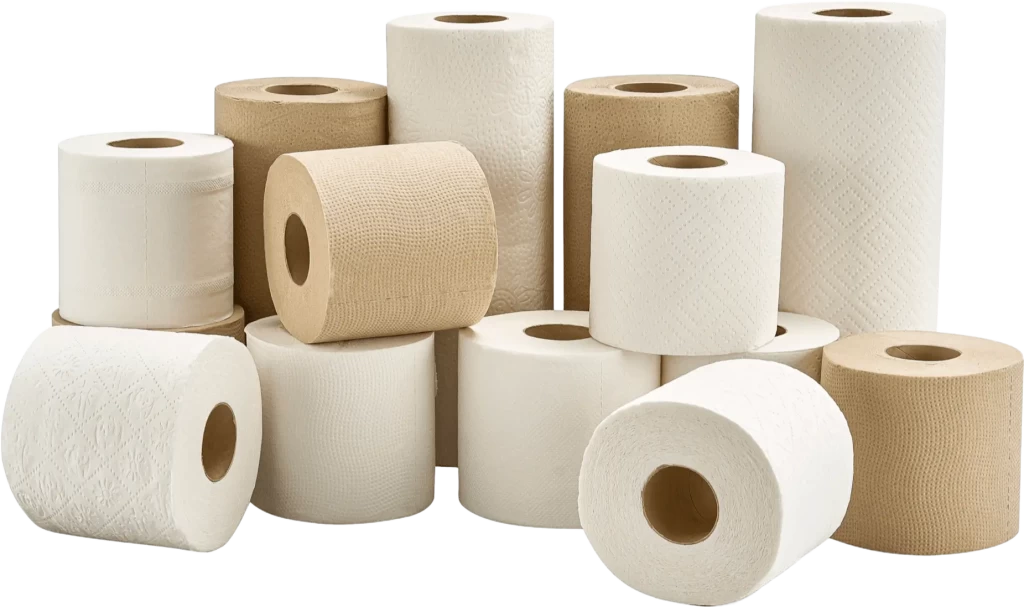
The shift toward eco-friendly products is evident in the market growth, and unbleached bamboo toilet paper is at the forefront of this trend. Here are some key statistics that highlight the rapid growth of this market:
- Eco-friendly recycled toilet paper market (including unbleached, bamboo, and recycled pulp types) is expected to grow from $780 million in 2025 to $1.33 billion by 2034, with a 13.3% annual compound growth rate (CAGR).
- Global organic tissue market (including bamboo and other organic materials) is projected to grow from $37.5 million in 2024 to $44.5 million by 2030, with a CAGR of 2.9%.
- North American bamboo toilet paper market is experiencing double-digit growth, with an annual growth rate of 15.8% from 2021 to 2024, far exceeding the growth of traditional toilet paper markets.
- Global toilet paper market is projected to grow from $41.04 billion in 2024 to $46.83 billion by 2033, with a CAGR of 4.5%.
These figures clearly demonstrate the rising demand for bamboo toilet paper, especially unbleached variants, as consumers become more conscious of health and environmental issues.
For buyers serving mainstream retail, hospitality, or large-scale programs, bleached bamboo toilet paper is still the more commonly adopted option due to appearance consistency and market familiarity—especially where standardized presentation and supply stability matter.
Dispelling Myths and Alleviating Concerns: From Understanding to Trust
Myth: “Is unbleached paper fully sterilized?”
Truth: Modern paper mills rely on high-temperature drying to kill bacteria (the paper is quickly heated to over 100°C), not bleaching agents. Unbleached paper undergoes this physical sterilization process, meeting the same hygiene standards.
Concern: “Is it as soft as premium cotton-soft paper?”
Truth: Softness depends on fiber treatment and embossing processes. Premium unbleached bamboo paper, through multilayer compounding and micron-level embossing, achieves a skin-friendly feel similar to fabric. We recommend requesting a sample from the brand to experience its quality firsthand.
Question: “Why is it more expensive? What’s the value?”
Answer: The premium cost reflects:
- Sustainable raw material costs;
- Higher production costs for cleaner processes;
- Auditing costs for authoritative environmental certifications. It’s not about paying for “luxury,” but investing in “health assurance” and “environmental responsibility.”
Market Insights: Who Are the Drivers? Where is the Future Heading?
The core force driving this trend is the new generation of consumers:
- Refined Moms: They are “ingredient-conscious” and scrutinize everyday products like they do skincare ingredients, building a safety barrier for their families.
- Sustainable Living Practitioners: They follow a “zero-waste” philosophy and aim to reduce their ecological footprint from the source. Bamboo paper is a natural extension of their lifestyle.
- Socially Responsible Companies and Hotels: They are replacing guest paper towels with unbleached bamboo paper as a visual commitment to their ESG (Environmental, Social, and Governance) promises, boosting their brand image.
In the future, as carbon tax policies are implemented and consumer education deepens, “green costs” will increasingly become an essential part of the product. Unbleached bamboo toilet paper will shift from being an “optional choice” to a “standard.”
Smart Choice: A Step-by-Step Guide to Becoming an Expert Shopper
Step 1: Look at the “ID” (Certifications)
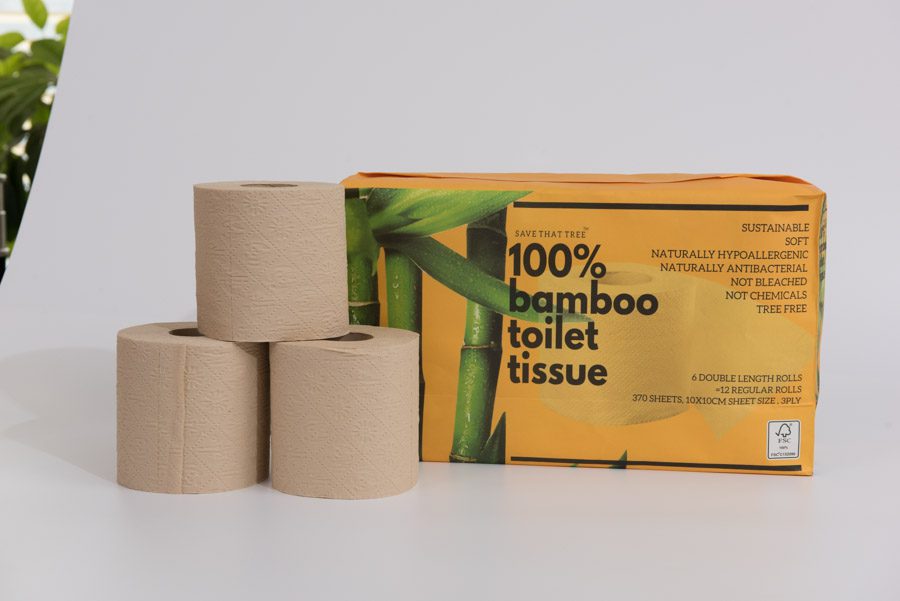
- FSC Certification: Ensures bamboo comes from sustainable sources.
- EU ECOLOGAP or USDA Biobased Priority Certifications: Backed by high-end environmental performance.
- Skin Irritation Test Reports: For sensitive users, this is the most direct reassurance.
Step 2: Read the “Product Resume” (Label)
- Look for the “100% Bamboo Pulp” label; beware of vague terms like “mixed bamboo pulp with wood pulp.”
- Confirm labels that say “Unbleached” and “Fragrance-Free.”
Step 3: Become an “Experience Officer” (Sensory Testing)
- Touch: Feel its softness and thickness, check if it sheds dust.
- Look: Hold it up to light and check for even fiber distribution, free of impurities.
- Test: Perform a wet strength test to see how it resists tearing, a more resilient product will last longer.
Unbleached Bamboo Toilet Paper by Newland Bamboo: A Healthier and More Sustainable Wholesale Choice
Unbleached bamboo toilet paper is not just a product; it’s your commitment to providing healthier, eco-conscious choices for your customers, while adding a sustainable competitive edge to your business. By offering unbleached bamboo toilet paper, you’re not only taking care of your customers’ health but also taking responsibility for the planet.
Our products meet all the standards mentioned in this article — 100% bamboo pulp, chlorine-free, fragrance-free, and FSC certified, ensuring the bamboo is sourced sustainably. Our bamboo toilet paper is not only environmentally friendly but also passes multiple quality checks to meet international market standards.
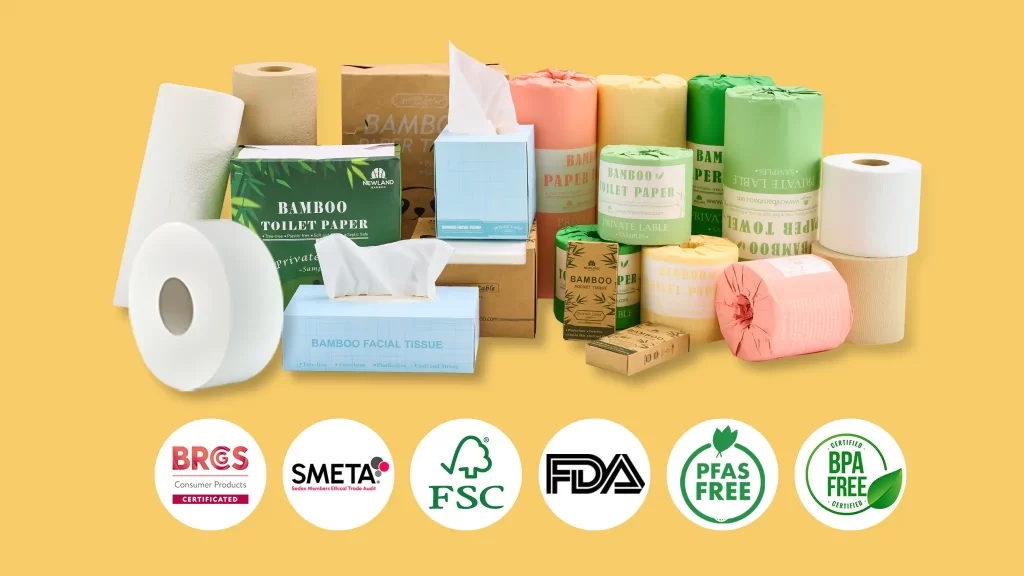
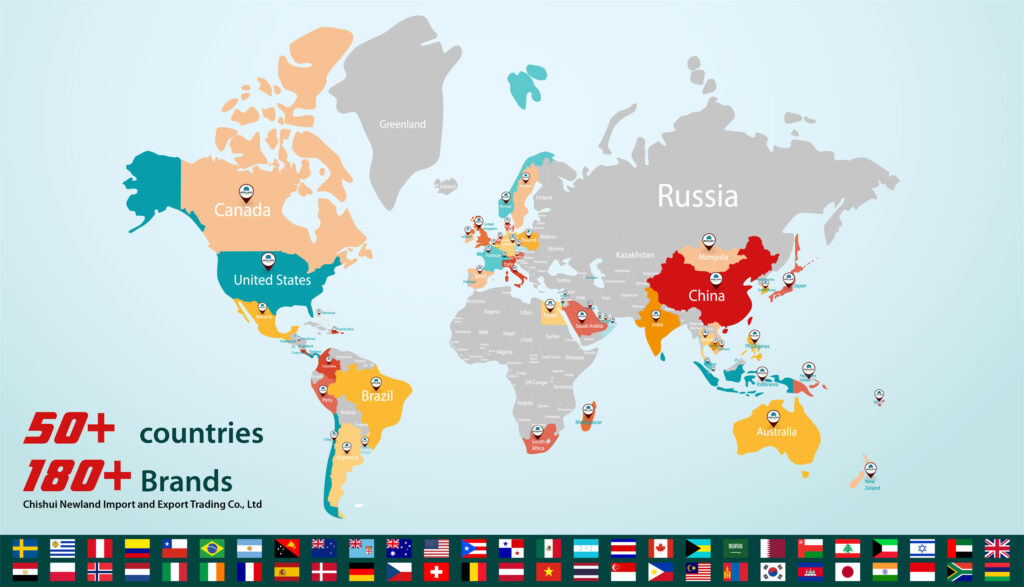
Trusted by clients worldwide, covering multiple countries and regions
From North America to Europe, we have already provided high-quality unbleached bamboo toilet paper to wholesalers in the United States, Canada, the UK, Australia, and more. Newland Bamboo has earned the trust of numerous business clients with our quality products and responsible environmental approach, and our customer base continues to grow with over 180+ clients worldwide.
Contact us now for wholesale pricing and samples
If you’re a wholesaler or retailer looking to offer your customers healthier and more eco-friendly products, feel free to contact us now to get detailed wholesale pricing, product specifications, and sample information. Our team will respond quickly with the most competitive prices and tailored services.
[Send Inquiry Now and Start a Partnership]
Choosing Newland Bamboo Unbleached Bamboo Toilet Paper is not just about a product choice, it’s about embracing a greener, sustainable future. Let’s work together to promote a healthy and eco-friendly lifestyle, and make the change start with every roll of paper!
Conclusion: Beyond a Simple Choice, Embarking on a Positive Cycle
Choosing unbleached bamboo toilet paper is far more than just a product selection. It represents a shift in consumption behavior, moving from passive acceptance to active choice—caring for yourself and the world. Every purchase is:
- A forest being given the chance to regenerate.
- A water source untouched by chemical pollutants.
- A gentle promise for your family’s skin.
- A clear signal to the market that we demand more transparent and eco-friendly products.
Each responsible purchase pushes the industry to improve. When more people join this revolution, individual choices will eventually create a tidal wave of change. Start today, with this small, unbleached roll of paper, and join in building a healthier, more sustainable future.
FAQ about Unbleached Bamboo Toilet Paper
Does the “natural color” of unbleached bamboo toilet paper mean it’s unhygienic?
Not at all. Hygiene depends on high-temperature sterilization processes, not the color. The natural light yellow or brown color is proof that it hasn’t undergone chlorine bleaching or other chemical treatments. This means less chemical residue, making it purer from the start.
Is it suitable for sensitive skin, babies, or people with eczema?
Absolutely. This is one of its core advantages. Since it’s free from chemical bleach, fragrances, and dyes, it significantly reduces the risk of skin irritation or allergies. Its natural fibers and soft texture make it a safer choice for those with sensitive skin, babies, and people with eczema.
How is the softness and strength of unbleached bamboo toilet paper? Is it rough?
High-quality unbleached bamboo toilet paper is both soft and strong. Modern papermaking techniques make bamboo fibers incredibly soft and skin-friendly. Additionally, bamboo fibers are long, so the paper retains good tensile strength even when wet and won’t tear easily, offering a superior experience compared to many traditional paper products.
Why is it more expensive than regular toilet paper? What is the value?
The premium price comes from more sustainable raw materials and cleaner manufacturing processes. You’re not just paying for a roll of paper; it also covers:
1.The cost of sustainably grown bamboo.
2.The environmental costs of avoiding cheap, high-pollution bleaching chemicals.
3.The audit costs for certifications like FSC.
This is an investment in health, the environment, and long-term value.
Does it really have an environmental impact? How is it measured?
Yes, its environmental benefits are twofold:
Raw material: Bamboo is a fast-growing renewable resource that helps protect forests by replacing wood.
Production: The unbleached process saves a significant amount of water and energy while eliminating chlorine bleaching wastewater, reducing pollution to water and soil.
How do I distinguish between high-quality and low-quality unbleached bamboo toilet paper? What should I look for?
Look for the following three things:
1.Certifications: Opt for products with FSC certification and clearly labeled as TCF (Totally Chlorine-Free).
2.Ingredients: Confirm the product is labeled “100% bamboo pulp,” “unbleached,” and “no fluorescent whitening agents/fragrances.”
3.Brand: Choose brands that specialize in eco-friendly personal care with transparent information.
Will it have a strange smell?
High-quality unbleached bamboo toilet paper has only a faint, natural bamboo scent—similar to fresh paper or dry grass—not any chemical smell. Any pungent odor could indicate issues with the manufacturing process or raw materials, which is not typical for premium unbleached bamboo toilet paper.
Can it be flushed directly down the toilet? Will it cause blockages?
Yes, it can be flushed down the toilet just like traditional wood pulp paper. Bamboo fiber toilet paper is designed to disperse in water. As long as your plumbing is in good condition and you don’t overuse it at once, it shouldn’t cause blockages.