
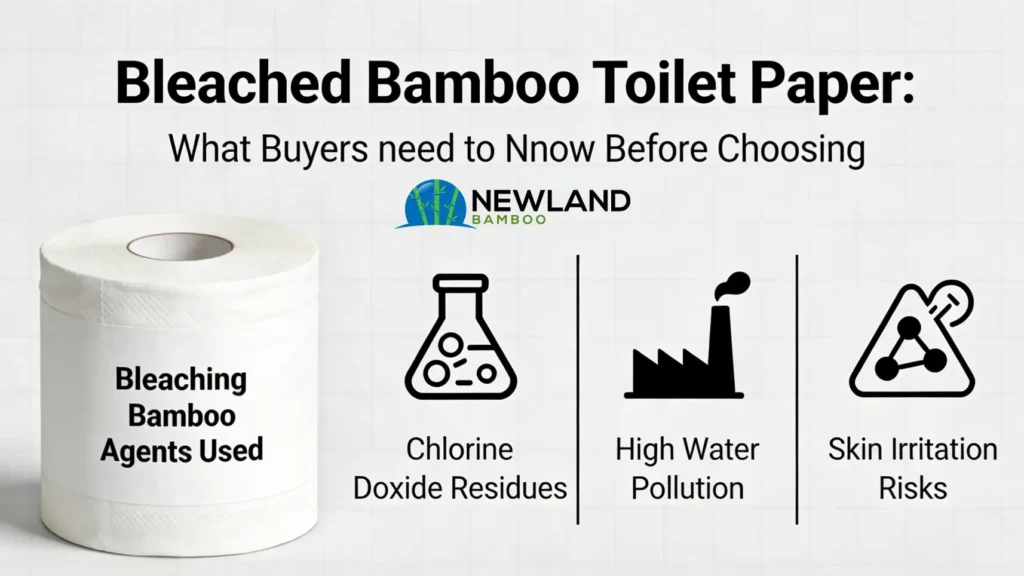
Demystifying “Bleached” – The Technology Behind the Whiteness
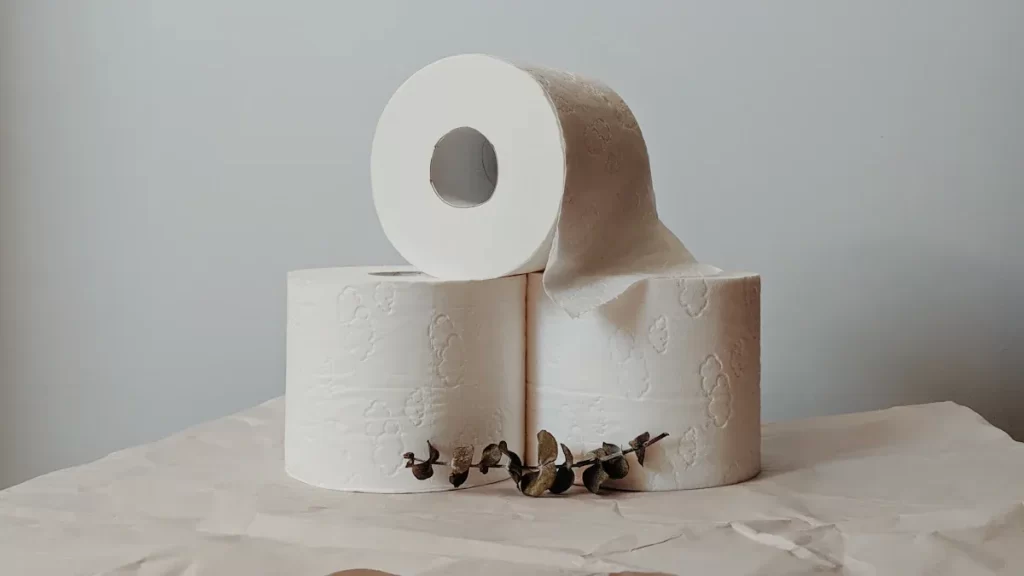
To make a confident decision, one must first understand the process. “Bleaching” in pulp manufacturing is not merely cosmetic. It is a controlled chemical process designed to remove the natural lignin and colored substances in pulp, thereby increasing its brightness, purity, and consistency.
The industry has evolved significantly from old, highly polluting chlorine-based methods. Today, the market is defined by two mainstream, environmentally improved bleaching standards:
1. Elemental Chlorine-Free (ECF)
ECF bleaching uses chlorine dioxide (ClO₂) instead of elemental chlorine. This switch dramatically reduces the formation of harmful by-products like dioxins and adsorbable organic halides (AOX). It is the most prevalent and cost-effective modern bleaching technology globally, offering an excellent balance between high brightness, strong pulp quality, and a significantly reduced environmental footprint.
2. Totally Chlorine-Free (TCF)
TCF bleaching avoids all chlorine-containing chemicals. Instead, it employs oxidizing agents like ozone, oxygen, and hydrogen peroxide. This process is often highlighted for its minimal impact on waterways, as it eliminates AOX discharge entirely. It represents the highest standard in chlorine-free processing.
| Aspect | Elemental Chlorine-Free (ECF) | Totally Chlorine-Free (TCF) |
|---|---|---|
| Primary Agents | Chlorine Dioxide (ClO₂) | Oxygen, Ozone, Hydrogen Peroxide |
| Chlorine Compounds | No Elemental Chlorine | None |
| Key Environmental Benefit | Greatly reduced AOX/dioxins | Virtually no AOX discharge |
| Industry Position | Global mainstream, cost-effective balance | Preferred for specific eco-markets |
The Bottom Line for Buyers: Both ECF and TCF are responsible upgrades over historical methods. For a comprehensive, technical deep-dive into all bleaching methods, their chemistry, and environmental profiles, explore our dedicated guide: A Complete Guide to Bamboo Pulp Bleaching Methods.
The Market Reality – Why White Bamboo Toilet Paper Dominates
Understanding the technology explains the “how,” but the “why” is driven by solid market dynamics. The data confirms that bleached bamboo pulp is not a niche product but a major growth segment.
A Market Fueled by Demand: The global bleached bamboo pulp market is on a strong growth trajectory, projected to expand at a compound annual growth rate (CAGR) of around 5.65% to 6.93%, driven by demand for sustainable raw materials in packaging, tissue, and textiles. This shift is powered by bamboo’s rapid renewability (harvestable in 3-5 years) and its appeal as a deforestation-free alternative to wood pulp.
The Premium of Whiteness: Market data unequivocally shows that white commands a premium. For instance, in November 2024, bleached bamboo pulp board in the Sichuan-Chongqing region of China was priced at 5,550 RMB/ton, while unbleached (natural color) bamboo pulp board was at 4,300 RMB/ton. This price differential reflects broader market perception and willingness to pay.
This premium exists for concrete commercial reasons:
- Consumer Expectation: In hospitality (hotels, restaurants), offices, and healthcare, white is universally synonymous with cleanliness, hygiene, and professionalism. It meets user expectations without requiring explanation.
- Brand Versatility: A bright, consistent white product provides a neutral canvas that fits seamlessly into any private label or brand portfolio, from economy to luxury tiers.
- Supply Chain Predictability: The bleaching process, especially mature ECF sequences, is highly standardized. This results in exceptional batch-to-batch consistency in color, feel, and performance, which is critical for large-scale procurement and contract fulfillment.
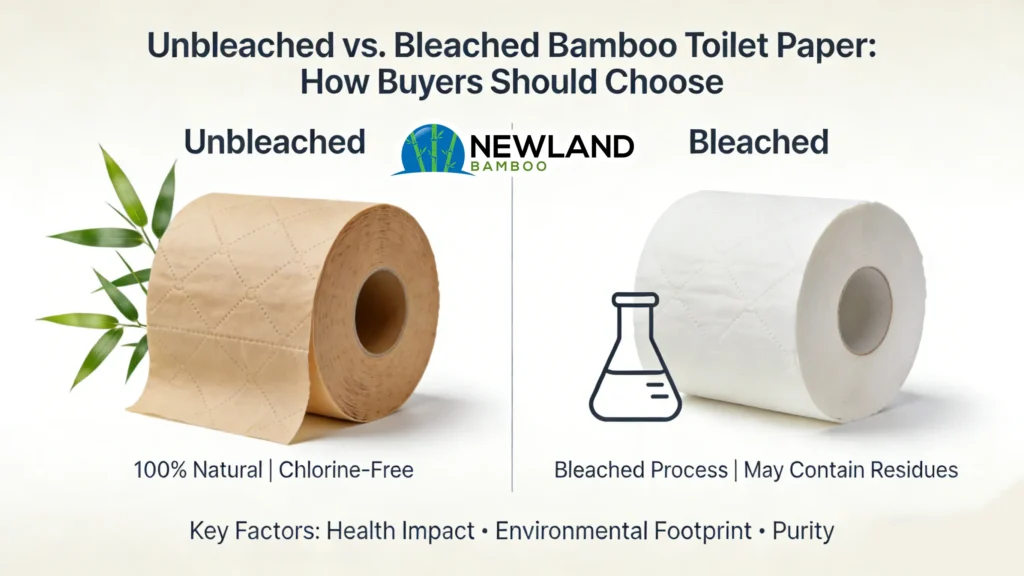
For a clear, side-by-side analysis of how bleached and unbleached options serve different commercial roles, refer to our practical comparison: Unbleached vs. Bleached Bamboo Toilet Paper: How Buyers Should Choose.
The Strategic Advantages – Beyond Color
Choosing bleached bamboo toilet paper is a decision that impacts several layers of your business beyond the product itself.
- Supply Chain Resilience: Sourcing bamboo pulp offers a strategic hedge against the volatility associated with traditional wood pulp supply chains. Bamboo’s fast growth cycle leads to greater price stability.
- ESG Compliance and Storytelling: Bamboo naturally aligns with zero-deforestation regulations. When combined with a modern bleaching standard, it creates a powerful, verifiable sustainability story for eco-conscious retailers and end-consumers.
- Profitability: The market premium for white, coupled with the compelling “sustainable bamboo” narrative, allows for stronger brand positioning and healthier margins.
A Buyer’s Decision Framework
When evaluating suppliers for bleached bamboo toilet paper, move beyond basic specifications. Use this framework to assess partners:
| Your Priority | Key Questions to Ask Suppliers | What to Look For |
|---|---|---|
| Quality & Consistency | “How do you control batch-to-batch variation in brightness and softness?” | Technical details, ISO certifications, sample consistency. |
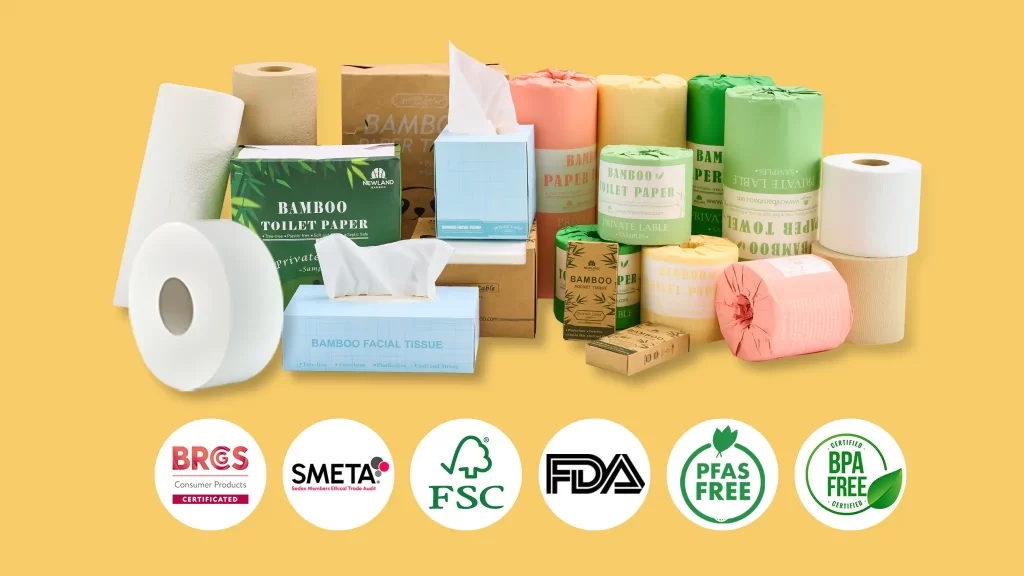
| Environmental Integrity | “Can you provide third-party verification for your bleaching standard and bamboo sourcing?” | FSC certifications, environmental reports. |
| Commercial Reliability | “What is your production capacity and typical lead time for large orders?” | Scale of operations, clear communication, client testimonials. |
Ready to explore how NewLand Bamboo bleached bamboo toilet paper can fit into your supply chain? Contact Newland Bamboo for samples, technical data sheets, and a consultation tailored to your market.
Conclusion: Making an Informed Choice
Bleached bamboo toilet paper represents a sophisticated convergence of advanced manufacturing, proven market demand, and forward-looking sustainability. For buyers, the goal is to find the perfect partner whose capabilities—in consistent production, transparent sourcing, and reliable supply—align with your market’s needs and your brand’s values.
By asking the right questions and focusing on suppliers with proven technology and transparency, you can secure a product that satisfies both your bottom line and the growing demand for responsible consumption.
If your brand story is deeply rooted in natural, minimal processing, understanding the specific appeal of unbleached products is key. Learn more about its health and eco-trend positioning here: Unbleached Bamboo Toilet Paper: Why It’s the New Trend.
FAQ: Bleached Bamboo Toilet Paper for B2B Buyers
Is bleached bamboo toilet paper safe and hygienic?
Yes, when produced using modern standards like ECF or TCF. Safety is determined by controlled manufacturing processes, high-temperature drying, and adherence to strict international safety regulations, not by the color itself. Reputable suppliers will provide relevant compliance documentation.
Will my customers accept a non-white toilet paper if I switch to unbleached later?
Market acceptance depends on clear communication. Bleached paper benefits from universal recognition. If offering unbleached, clearly label it as “natural color” or “unbleached” on packaging to frame it as a deliberate, premium feature rather than a deviation from expectation.
Why is bleached bamboo toilet paper sometimes more expensive than unbleached?
The price difference is less about base cost and more about market positioning. Bleached paper is positioned for the mainstream commercial market where consistency, broad acceptance, and a premium feel command higher value. Unbleached paper, while sometimes having a different production cost structure, is often priced for a specific, value-driven niche.
Does bleaching make bamboo toilet paper less eco-friendly?
Not necessarily. The environmental impact depends overwhelmingly on the specific bleaching technology used. Modern ECF and TCF processes have vastly improved environmental profiles compared to historical methods. The most significant eco-friendly advantage comes from the bamboo source itself—its rapid renewability and low land-use impact.
Can I carry both bleached and unbleached bamboo toilet paper in my product line?
Absolutely. Many successful brands and distributors adopt a portfolio approach. They use bleached products for mainstream, hospitality, or commercial channels where familiarity is key, and offer unbleached versions for natural, premium, or specialty lines where the story of minimal processing drives the sale.
What’s the simplest way to check the quality of bleached bamboo paper upon delivery?
Beyond lab tests, procurement managers often use practical checks:
1.Consistency Test: Compare the whiteness and feel of samples from different cartons or batches.
2.Strength Test: Gently pull a wet sheet; good quality pulp should retain integrity and not disintegrate immediately.
3.Dust Test: Shake a roll or sheet; minimal dust indicates better binding of fibers during manufacturing.