この事例がプライベートブランド購入者にとって重要な理由
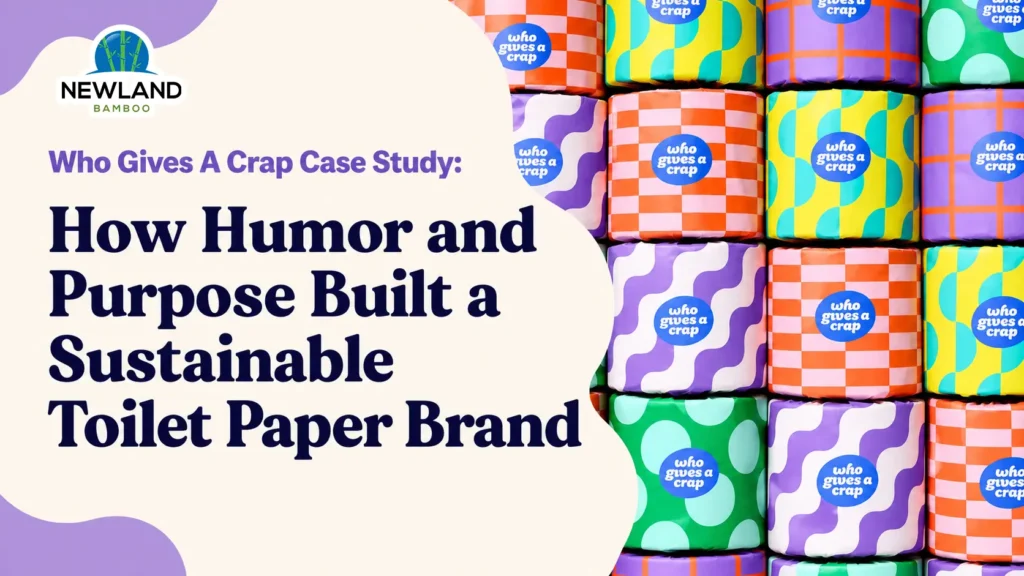
「Who Gives A Crap」は、カラフルな包装と力強いメッセージが特徴の、ユーモアあふれるトイレットペーパーブランドとしてよく紹介されています。.
その説明は間違ってはいないが、あまりにも安易すぎる。.
もっと重要な問いは、これよりも難しい。つまり、ある企業が、利益の50%を寄付すると約束し、かさばる家庭用紙製品を販売し、サブスクリプション事業を構築し、卸売顧客にサービスを提供し、海外展開を進め、それでもなお一般小売市場に進出することは、いったいどのようにして可能なのか?
まさにその葛藤こそが、この事例を研究する価値のあるものにしているのです。.
『Who Gives A Crap』は、単なる優れたブランディングの物語ではありません。これは、目的志向の家庭用紙ブランドが、製品コスト、パッケージのデザイン、定期購読の運営、B2B注文、小売店での陳列、供給の安定性、そして社会的影響に関する主張など、複数のプレッシャーを同時に抱えながら事業を展開していかなければならない様子を描いた物語なのです。.
この記事は公開情報に基づいています。 それらの情報源からは、同ブランドの歩みが明確に読み取れます。具体的には、2012年のトイレシートに関するクラウドファンディングキャンペーン、50%の利益寄付の約束、ロール紙を包装紙で包んだパッケージシステム、再生紙や竹紙への取り組み、定期購入およびB2Bシステム、そしてテスコ、ホールフーズ、ウェイトローズといったチャネルへの小売展開などが挙げられます。.
それらは、そのブランドの背後にある経済的実態のすべてを明らかにしているわけではない。.
その境界線は重要です。実際のサプライヤー情報、製品の利益率、DTCの顧客維持率、B2Bの卸売価格、梱包不良率、小売業者の取引条件などは、私たちには把握できません。したがって、この記事では「Who Gives A Crap」を模倣すべきモデルとして扱っていません。.
この手法では、ブランドを一連の「ツボ」として捉えます。.
プライベートブランドの竹製トイレットペーパーを購入する企業にとって、重要な問いは「どうすれば『Who Gives A Crap』を真似できるか」ということではない。“
むしろ問うべきは、目的志向のトイレットペーパーブランドが、単なる「気の利いたストーリー」の域を超えて生き残るためには、製品、パッケージ、主張の裏付け、販売チャネル体制、供給計画のうち、どの部分を事前に確認しておく必要があるのか、ということだ。
クラウドファンディングイベントから生まれたオーストラリアの紙ブランド
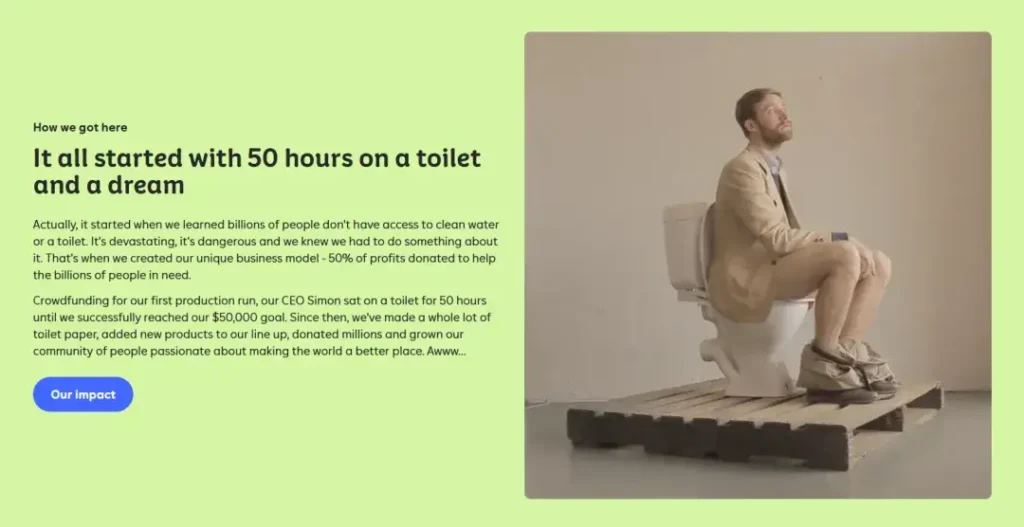
「Who Gives A Crap」は、メルボルンで設立されたオーストラリアの家庭用紙ブランドであり、同社の情報によると、 「当社について」の公式ページ.
トイレットペーパーメーカーとしては、その創業ストーリーが異例なほど詳細に語られている。2012年、サイモン・グリフィスは Indiegogoでのクラウドファンディングキャンペーン 同社の初回生産資金を調達するため、トイレに座りながらキャンペーンを展開した。このキャンペーンでは、この製品を「売上利益の50%をトイレの建設や衛生環境の改善に充てるトイレットペーパー」として位置づけた。.
また、クラウドファンディングのページには、集まった資金が最初の量産および同ブランドの「ファーストエディション」に充てられると記載されていた。同ページでは、チームが量産に移行する前に、製品、物流、ビジネスモデルの開発に2年間を費やしてきたことも明記されていた。.
その細部が重要なんです。.
これは単なる宣伝話ではなかった。この広報キャンペーンは、製造実行――製品開発、物流計画、初回生産、そして最初の顧客需要――と密接に結びついていた。.
トイレットペーパーは通常、あまり注目されない商品カテゴリーです。ほとんどの消費者は、この話題について話したがりません。彼らはそれを購入し、保管し、使い、買い替えるだけです。.
「Who Gives A Crap」の発売は、話題になるきっかけとなった。.
トイレを題材にした宣伝手法、ブランド名、そして衛生的な目的が相まって、この製品は会話の中で繰り返し話題にしやすくなりました。紙の加工工程やパルプの調達、小売戦略などを理解していなくても、その基本的なコンセプトは容易に理解できました。つまり、これはトイレに接続されたトイレットペーパーであり、それを必要とする人々のためのものだということです。.
プライベートブランドのバイヤーにとって重要なのは、その仕掛けを真似することではない。.
実用的な観点から言えば、低価格の商品については、購入者が顧客に「柔らかさ」「ロール数」「素材」「パッケージ」「価格」などを比較するよう求める前に、明確な購入のきっかけを設ける必要がある。.
その入り口となる要素としては、原因、魅力的な提案、パッケージングシステム、地域市場に関するストーリー、ホテルやオフィスでのトライアルプログラム、あるいはサブスクリプションの利便性といった点が考えられます。.
しかし、注目を集めることはあくまで始まりに過ぎません。製品の品質、パッケージの耐久性、段ボール箱の設計、物流、そして継続的な配送こそが、最初のストーリーが語られた後も、そのブランドが販売を続けられるかどうかを左右するのです。.
50%の利益保証は、コスト構造上の問題でもある
「Who Gives A Crap」の「50%」による利益寄付の約束は、このブランドで最も印象的な要素の一つです。.
また、これは最も誤解されやすい部分の一つでもあります。.
外から見れば、「利益の50%を寄付する」というのは、力強い目的表明のように聞こえる。しかし、同様のブランドを構築しようとしているプライベートブランドバイヤーにとっては、より気まずい疑問は財務面にある。つまり、その約束を果たすためには、どのような製品原価、包装費、輸送費、システムコスト、そして販売チャネルのマージンが必要なのか、ということだ。
目的の主張は、ビジネスモデルの「上」にあるのではなく、その「中」にあるのです。.
たとえブランドが利益の一部を寄付することを約束したとしても、そのブランドは依然として、用紙、加工、包装、段ボール箱、配送、倉庫保管、サブスクリプション型ソフトウェア、メールシステム、カスタマーサービス、返品対応、B2B価格設定、小売業者の要件、そして在庫リスクにかかる費用を負担しなければならない。.
だからこそ、この教訓は「50%という番号を書き写す」ということではないのです。“
ここから得られる教訓は、製品の背後にあるコスト構造がそれを支えられるようになるまでは、ブランドの前面に「社会的インパクト」を掲げてはならない、ということです。.
Good Goods Holdings Pty Ltd の B Lab 公開プロフィール 「Who Gives A Crap」を運営する同社に対し、総合的なBインパクトスコアとして125.5点を付与している。また、同社はトイレットペーパー、ティッシュ、ペーパータオル、および関連製品を販売する一方で、利益の50%をトイレの建設や安全な水の供給支援に寄付していると説明している。.
その情報は有用ですが、過度に解釈すべきではありません。.
B Corp認証は、企業レベルでの信頼の指標です。ガバナンス、社会的インパクト、透明性、説明責任に関する信頼を裏付けることができます。ただし、ロールの柔らかさ、竹製品の繊維組成、分解性能、包装のリサイクル可能性、あるいは対象市場向けの表示文言については、これを証明するものではありません。.
プライベートブランドのバイヤーは、各層を区別すべきです:
企業レベルの主張:B Corp、ミッション、寄付モデル、ガバナンス。.
製品レベルの表示:再生素材含有率、竹素材含有率、層数、シートの枚数、浄化槽対応の記載、柔らかさの方向性。.
パッケージに関する主張:紙包装、プラスチック不使用の表記、リサイクル可能性、堆肥化可能性、段ボール構造。.
チャネルレベルの主張:小売業者のバッジ、マーケットプレイスのラベル、販売代理店の書類、B2Bバイヤーのファイル。.
危険なのは、それらを混ぜてしまうことです。.
ブランドが企業レベルで明確なミッションを掲げていても、製品レベルの文書化が必要となる場合があります。製品に竹を使用していたとしても、表示内容の慎重な検証が必要となる場合があります。プラスチック不使用の包装であっても、輸送や保管の過程で物理的な包装上のリスクが生じる可能性があります。.
購入者にとって、「50%」の利益保証は、単なるブランディングの策略として捉えるべきではありません。これは警告として受け止めるべきです。つまり、公約が強力であればあるほど、製品の経済性はより厳格でなければならないということです。.
注目度の低い商品を、人々の話題になるような商品に変える
「Who Gives A Crap」という名前は、決して控えめなものではありません。.
それも重要な点の一つです。.
トイレットペーパーは、本来それほどワクワクするようなカテゴリーではありません。サステナビリティや衛生に関する真面目なメッセージは、すぐに重苦しく感じられたり、堅苦しく思われたり、あるいは忘れ去られてしまったりしがちです。「Who Gives A Crap」は、ユーモアを交えることで、このテーマをより親しみやすいものにしています。.
このブランド名は、一度にいくつかの役割を果たしています。.
このキャッチコピーは、商品カテゴリーを示しています。衛生面への取り組みをほのめかしています。人々が口ずさめるフレーズを生み出しています。また、従来のスーパーマーケットで販売されているティッシュブランドとは一線を画す、独自のブランドイメージを打ち出しています。.
このことが意味するのは、すべてのティッシュブランドがジョークを使うべきだということではありません。.
ユーモアは万能の戦略というわけではありません。一部の市場、特にホスピタリティ業界、オフィス用品業界、医療業界、あるいは保守的な小売チャネルなどでは、遊び心のある口調は場違いに映る可能性があります。.
ここから得られるより広範な教訓は、「トーンと市場の適合性」である。.
若年層のDTC消費者をターゲットとするブランドは、商品名、パッケージ、コピーにおいてより大胆な試みができる。一方、ホテル、オフィス、卸売業者、あるいは一般小売店を販路とするブランドは、印象に残りつつも、より抑制の効いたトーンが必要となる場合がある。.
プライベートブランド向け 竹トイレットペーパー ブランドやトーンは、パッケージのコピーを作成する前に決定しておく必要があります。これらは、製品名、前面パネルの謳い文句、カートンの表示、マーケットプレイスでの商品タイトル、ソーシャルメディアのコンテンツ、およびカスタマーサービスの対応文言に影響を与えます。.
『Who Gives A Crap』は、トーン次第でありふれた商品でも印象に残るものになることを示しています。また、トーンは販売チャネルや顧客層に合わせて調整する必要があることも、バイヤーに改めて認識させてくれます。.
パッケージのおかげで、製品を使用する前にロールの状態が確認できた
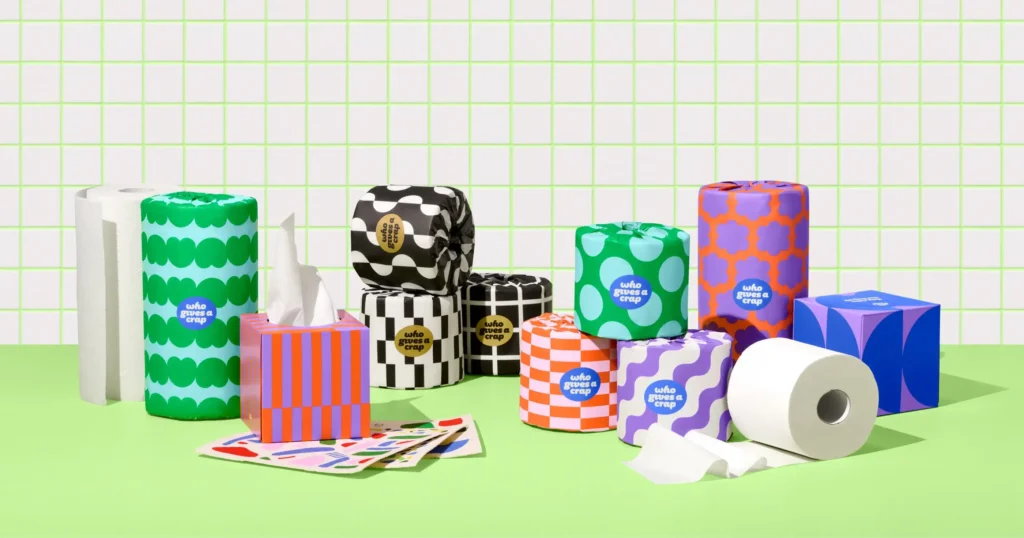
パッケージは、「Who Gives A Crap」のケースにおいて、最も優れた点の一つです。.
トイレットペーパーは通常、目につかない場所にしまわれていたり、バスルームのキャビネットに積み重ねられていたり、あるいはありふれたプラスチック製のマルチパックに入れて陳列されたりしています。「Who Gives A Crap」は、カラフルな紙の包装と店頭販売に適したパッケージングシステムを採用することで、1ロールごとの製品を視覚的に際立たせました。.
これは単なる美的判断だけではなかった。.
リヨン&リヨンの包装に関する事例 その目標について、「美的感覚が停滞している」トイレットペーパー売り場の雰囲気を視覚的に打破することだと説明している。また、実際の販路における問題点も指摘している。つまり、サステナビリティに関するメッセージは、顧客が商品に気づき、理解する時間がわずか数秒しかない小売店よりも、オンラインの方が伝えやすい場合があるということだ。.
ガーディアン紙の2025年の報告書は、もう一つの重要な視点を提示している。同報告書は、この「ラッピング」のビジネス的価値に言及し、サイモン・グリフィス氏が「ラッピングがなければ、同社の規模は現在のほんの一部に過ぎなかったかもしれない」と述べたと伝えている。.
これにより、購入者がパッケージについて考えるべき視点が変わります。.
パッケージは単なる保護手段ではありません。それは、紙が実際に使われる前の製品体験の一部なのです。.
トイレットペーパーのブランドにとって、パッケージはいくつかの課題の解決に役立ちます:
- この商品は低金利です
- この商品はかさばります
- この製品は、従来のティッシュよりも高価になる可能性があります
- その内容や影響に関するストーリーは、すぐに理解できるものでなければならない
- パッケージは、ECサイトの写真で効果的に映らなければならない
- その商品は、小売店の棚でひときわ目立つ必要があるかもしれません
- この製品は、バスルームに保管または陳列することができます。
「Who Gives A Crap」の包装は、ロールが見えるようになっています。これにより、普段は目につかない製品が、バスルームに置いておいたり、写真に写ったり、棚でひときわ目立つ存在になったりします。.
また、日常的な購入における顧客体験も一変させます。箱、包装されたロール、バスルームでの収納、配達時の瞬間、再注文のリマインダー――これらすべてがブランドのタッチポイントの一部となるのです。 プライベートブランドのバイヤーにとって、これはパッケージを単に前面のデザインとしてのみ評価すべきではないことを意味します。開封時の体験、保管時の利便性、商品写真の素材、再注文のきっかけ、そして口コミのきっかけとしても評価すべきなのです。.
だからといって、すべてのプライベートブランドバイヤーが、カラフルな単巻包装紙を使うべきだというわけではありません。.
調達チームにとって、真の課題はチャネルとの適合性です。包装デザイン、ロールのサイズ、ケース詰め、商品写真、小売店での陳列は、切り離して考えることはできません。. カスタム・ティッシュ包装 これは作品の最終工程ではなく、チャンネルプランの一部です。.
DTCの定期購入ブランドでは、開封シーンや商品写真の撮影に適したパッケージが必要となる場合があります。 小売ブランドの場合、前面パネルの視認性、バーコードの配置、棚での陳列効果、パッケージの階層構造が求められることがあります。ホテルやオフィス向けサプライヤーの場合は、段ボール箱の取り扱いのしやすさ、ディスペンサーとの互換性、装飾的な包装の削減が求められることがあります。環境に配慮したバイヤーは、プラスチック不使用のパッケージを望む一方で、防湿性や輸送時の耐久性も依然として必要としています。.
実際の問題は、「自分のブランドを『Who Gives A Crap』のようにすべきか?」ということではない。“
むしろこう問うべきでしょう。顧客が紙に触れる前に、パッケージには何が必要なのでしょうか?
サブスクリプション、B2B、小売は単なるチャネルではなく、システムである
「Who Gives A Crap」のパブリックチャンネルにおけるストーリーは、簡単に要約できます。オンラインでスタートし、定期購入者を獲得し、海外へ事業を拡大し、卸売顧客にサービスを提供した後、やがて一般小売市場へと進出しました。.
その要約は簡潔ですが、運用上の負担が隠されています。.
サブスクリプションビジネスとは、単に「登録して割引」というボタンだけのことではありません。. Recharge社の「Who Gives A Crap」定期購入サービスのケーススタディ これによると、「Who Gives A Crap」はKlaviyoとRechargeを活用し、請求日の3日前に購読者に対して今後の注文に関するメールを送信していた。これにより、顧客は、まだ追加の商品が必要ない場合には注文を延期することができた。.
その些細な点が重要なんです。.
トイレットペーパーはリピート購入される商品ですが、リピート購入が必ずしも満足につながるとは限りません。顧客は、自宅に十分な在庫があるという理由で、購入を延期したり、スキップしたり、配送先を変更したり、購入数量を調整したり、購入を一時停止したりする必要があるかもしれません。.
つまり、サブスクリプションモデルのコストは、ロールや段ボール箱の費用だけにとどまりません。タイミングやリマインダー、顧客の行動、在庫、および注文処理を管理するシステムにもコストがかかるのです。.
B2Bでは、さらに別の側面が加わります。.
Shopifyの「Who Gives A Crap」事例研究 Who Gives A Crap社は、Shopifyの拡張ストア機能とB2B機能を活用して卸売市場に対応しており、オーダーメイドの価格表、セルフサービス注文、自動フルフィルメントといった専用のワークフローを導入している。.
それは、1世帯にトイレットペーパーを1箱売る場合とは、まったく異なる問題です。.
卸売バイヤーには、取引先向け価格設定、リピート注文、ケースパックの統一性、納品計画、請求書の処理、そして安定した製品データが必要となる場合があります。ディストリビューターや事務用品のバイヤーが重視するのは、単に包装が面白いかどうかだけではありません。彼らは、その製品が同じ仕様で再注文できるかどうかを重視しています。.
小売は、さらに第3の層を加えます。.
ガーディアン紙の2025年版「Who Gives A Crap」に関するレポート 「Who Gives A Crap」は、英国のテスコをはじめ、以前にはホールフーズやウェイトローズなど、主流の小売チャネルに展開されています。小売チャネルへの進出は認知度向上につながりますが、その一方で、棚スペースの制約、価格比較、パッケージの階層化、バーコードの要件、ケース単位の梱包、パレット計画、小売業者による審査、そして補充のプレッシャーといった課題も生じます。.
プライベートブランドバイヤーにとって、真に学ぶべき教訓はこれだ:
DTC、サブスクリプション、B2B、小売は、同じ製品ファイルの上に重ねて存在する4つのマーケティングチャネルというわけではありません。それぞれによって、製品ファイルに含めるべき内容が異なります。.
複数のチャネルを通じて販売を行いたいブランドは、早い段階で以下の点を確認する必要があります:
- DTCにはどのパック数が適していますか?
- 小売向けには、どのくらいのパック数が適していますか?
- B2Bを支えるカートンの構造とはどのようなものか?
- どのくらいの頻度で購読するのが適切でしょうか?
- 加入者が注文を遅らせた場合、どうなりますか?
- 卸売バイヤーは、どの商品ファイルに基づいて再発注を行うのでしょうか?
- 小売業者の審査を通過できる主張とはどのようなものか?
- 需要が急増した場合、どの程度の在庫バッファーが必要でしょうか?
- 顧客情報の変更、B2B価格設定、および注文処理は、どのシステムで管理されていますか?
多くのプライベートブランドが、この作業の大変さを過小評価しているのです。.
彼らはまずブランドストーリーを策定し、次にパッケージデザイン、最後に運営体制を計画します。一方、家庭用紙のブランドでは、その逆の手順を踏むべきです。つまり、ブランドストーリーの展開を本格化する前に、リピート注文モデル、販路計画、パッケージ要件、および供給ファイルを明確に定義しておく必要があります。.
成長はサプライチェーンの弱点を露呈させる可能性がある
トイレットペーパーをめぐる報道を見ると、コロナ禍の状況を誤解しがちだ。.
トイレットペーパーの需要が急増し、ネット上での関心も高まり、多くのトイレットペーパーブランドが予想以上に注目を集めることになった。外から見れば、それは幸運な成長の好機のように見えるかもしれない。.
「Who Gives A Crap」の公開インタビューからは、より複雑な実態が浮かび上がっている。.
カンタス航空によるサイモン・グリフィス氏へのインタビュー 同氏は、コロナ禍の買いだめブームの時期に同社が単に「勝者」だったという見方に対して反論したと報じられた。というのも、売上の急増に伴い、サプライチェーンの問題や従業員のバーンアウトのリスクも生じていたからだ。.
それは、成長率という見出しよりも、より有益な教訓だ。.
需要の急増は、家庭用紙ブランドにとって必ずしも朗報とは限りません。それは、在庫計画の不備、サプライヤーの選択肢の狭さ、生産スケジュールの遅れ、脆弱な出荷システム、そして顧客サポートの過負荷といった問題点を露呈する可能性があるからです。.
プライベートブランドバイヤーにとって、これが重要なのは、竹製トイレットペーパーがかさばり、輸送条件や仕様への配慮が必要な商品だからです。この商品は、在庫が少なくなった際に簡単に航空便で発送できるような小型の化粧品とは異なります。.
もし竹製のトイレットペーパーのブランドが予想以上に急成長した場合、買い手は次のように問わなければならない:
- そのサプライヤーは、同じ仕様を再現できますか?
- 生産能力は予測量を吸収できるだろうか?
- 段ボール箱と包装材は同じ速度で生産できますか?
- そのブランドは、キャッシュフローに悪影響を与えずに十分な在庫を確保できるだろうか?
- フルフィルメント部門は需要の急増に対応できるか?
- カスタマーサービスは、配送の遅延や在庫切れに対応できますか?
- 緊急の補充の際、ブランドは製品の質感を損なわずに済むでしょうか?
説得力のあるブランドストーリーは需要を生み出すことができます。しかし、それだけでは供給の継続性を確保することはできません。.
これが「Who Gives A Crap」の事例における厄介な点だ。つまり、家庭からのリピート需要の恩恵を受ける一方で、需要が供給を上回ると、大きな運営上のプレッシャーが生じるのである。.
プライベートブランドバイヤーの場合、調達に関する検討は早い段階で始めるべきです:
もし需要が突然2倍になったとしても、顧客体験を損なうことなく、この製品の製造、梱包、出荷、再発注を継続できるでしょうか?
家庭用紙カテゴリーに続き、製品ラインナップを拡充した
「Who Gives A Crap」は、単なるトイレットペーパーのブランドではありません。.
B Labが公開している情報やブランド資料によると、同社はトイレットペーパー、ティッシュ、ペーパータオル、その他の家庭用紙製品を販売している。ガーディアン紙の報道でも、同ブランドが当初の主力商品であったトイレットペーパーの枠を超えて事業を展開していることが報じられている。.
この製品ラインナップの拡充は、家庭用紙製品の論理に基づいています。.
トイレットペーパーは「ヒーローSKU」です。必需品であり、繰り返し使用されるため、まとめ買いや定期購入に自然と適しています。顧客がバスルームでそのブランドを受け入れてくれれば、ティッシュやペーパータオルといった関連カテゴリーも導入しやすくなります。.
プライベートブランドのバイヤーにとって、これは重要な違いです。.
工場がより多くのSKUを供給できるという理由だけで、製品の品揃えを拡大すべきではありません。.
新しいペーパータオルのSKUが導入されると、吸水性の試験、シートのサイズ、ロールの構造、パッケージの寸法、カートンの計画、販売チャネルでの陳列方法などが変更されます。一方、ティッシュペーパーのSKUが変更されると、柔らかさに対する期待、箱の形状、引き出し感、小売店での陳列、ECサイト用の商品写真などが変わります。.
製品の拡充は、単なる販売上の決定にとどまりません。それは調達計画にも影響を及ぼします。.
ティッシュメーカーは、竹由来のトイレットペーパー、キッチンペーパー、ティッシュペーパー、ナプキン、ハンドタオル、ジャンボロール、センタープル式ペーパータオルなどを提供できるかもしれません。しかし、消費者向けブランドは、顧客、販路、パッケージ、および訴求体制がその拡大を支えられる場合を除き、すべての製品を一度に発売すべきではありません。.
より良い道筋が整えられている。.
まず、主力SKUを特定します。.
第二に、製品体験とパッケージングを再現可能なものにする。.
第三に、コンテンツとブランドの約束を軸に信頼を築くことです。.
第四に、同じ顧客が理解できる隣接する家庭用紙のカテゴリーへと事業を拡大する。.
それが、製品カタログとブランドシステムの違いです。.
プライベートブランドの竹製ティッシュを購入する企業にとって、重要な疑問点は次の通りです:
どちら 竹を原料とした家庭用ティッシュ製品 まずどのブランドを扱うべきか、そして需要の確証、パッケージングの準備状況、供給の安定性が確認されてから、次にどの製品を扱うべきか?
竹、再生紙、および主張の根拠

「Who Gives A Crap」は、単なる「竹製のみ」というケースではないという点でも有用です。.
同ブランドは、再生紙と竹紙のトイレットペーパーを取り扱っている。『ガーディアン』紙の報道によると、同社は当初、再生紙のトイレットペーパーから販売を開始し、その後、竹紙の製品を追加したという。現在の製品ページでも、再生紙と竹紙の製品が区別されている。.
これはプライベートブランドバイヤーにとって重要な点です。なぜなら、「持続可能なトイレットペーパー」は単なる一つの素材戦略に過ぎないからです。.
購入者は、竹パルプ、再生繊維、混合繊維、無漂白紙、FSC認証素材、プラスチック不使用の包装、あるいはこれらの組み合わせの中から選択することができます。それぞれの選択肢によって、柔らかさ、強度、コスト、調達方法、認証、包装に関する表示、および顧客の印象に異なる影響が生じます。.
竹は、多くの場合、「木材を使用しない調達」「柔らかさ」「強度」といった点でアピールされます。一方、再生繊維は、「資源使用量の削減」や「循環型社会」といった点でアピールされることがよくあります。これらは関連するサステナビリティのメッセージですが、まったく同じものではありません。.
バイヤーは、ブランドメッセージを最終決定する前に、素材の選定方針を決定する必要があります。.
竹製トイレットペーパーのブランドは、再生紙を謳う主張を借用すべきではありません。再生紙製トイレットペーパーのブランドは、竹製を謳う主張を借用すべきではありません。混合素材の製品は、その調達や試験結果がその主張を裏付けていない限り、「100% 竹製」と表示すべきではありません。.
これが重要なのは、竹製のトイレットペーパーがすでにカテゴリー全体として世間の厳しい視線にさらされてきたからだ。.
「Which?」のテスト 英国のいくつかの竹製トイレットペーパーブランドは、「竹100%」という表示と実際の成分が一致していなかったと報じられた一方、「Who Gives A Crap」は、その試験において「100%」という竹含有表示と一致していたと報じられた。プライベートブランド購入者にとっての価値は、これを競合他社を攻撃する材料として利用することではない。その価値は、素材に関する表示が検証可能であることを理解することにある。.
プライベートブランドバイヤーの場合、パッケージの承認前に、表示内容の根拠を確認しておく必要があります。.
これには以下が含まれます:
- 繊維組成
- 竹由来または再生素材含有に関する表示
- FSCに関する声明
- 「プラスチック不使用」と謳う包装
- 「堆肥化可能」または「生分解性」という表現
- PFAS不使用、または化学物質に関する記載
- 販売先の市場における包装要件
サステナビリティに関する主張は、顧客にとって理解しやすく、購入者がそれを擁護できるほど説得力のあるものでなければなりません。.
公的な情報源が依然として明らかにしていないこと
公開されている情報からは、「Who Gives A Crap」のブランド展開の軌跡について有益な知見が得られます。.
そこでは、クラウドファンディングの経緯、50%の利益寄付の約束、製品ラインナップ、B Corpのプロフィール、サブスクリプションシステム、B2B向けツール、そして一般小売市場への進出について紹介されています。.
彼らは、ブランドの裏側にある非公開の運営ファイルを公開していない。.
公開情報のみでは、以下の点を確認することはできません:
- 再生紙と竹紙の真のコスト差
- 各製品ラインの背後にある具体的なサプライヤー構成
- DTCサブスクリプションの継続率
- B2B卸売の利益率構造
- テスコ、ホールフーズ、またはウェイトローズの小売用語
- 輸送中の梱包不良率
- 需要が急増した際の真の在庫バッファー
- サブスクリプションの変更に伴うカスタマーサービスの総コスト
- 利益のうち50%を寄付した場合の、実際の利益率への影響
- あらゆる市場での主張の背景にある、製品レベルの資料
これはこの記事の欠点ではありません。.
それがこの記事の要点です。.
公開されているブランド事例は、バイヤーがより的確な質問を投げかけるのに役立ちます。ただし、サプライヤーの監査、サンプル試験、パッケージングの試作、コストモデル作成、認証の審査、あるいは販路計画の代わりになるものではありません。.
プライベートブランドバイヤーにとって、この事例の中で未解決の疑問こそが最も有益な部分である。.
これらは、調達業務が実際にどこから始まるかを示しています。.
ラッパーのスタイル、語り口、購読オファー、インパクトのあるメッセージを模倣する前に、バイヤーは次のような質問を軸に、実用的な資料を作成すべきです:
- どの製品仕様を繰り返し指定できますか?
- どのような請求が立証できるか?
- どのパッケージが流通経路を乗り切れるか?
- この約束を支えるには、どのような価格体系が必要でしょうか?
- どのような在庫計画なら成長に対応できるでしょうか?
- どのB2Bバイヤーファイルがリピート注文を促進できるでしょうか?
- 過度な期待を抱かせずに説明できる効果の主張とはどのようなものでしょうか?
ブランドストーリーは注目を集めるかもしれません。しかし、その注目がリピート注文につながるかどうかは、製品資料次第です。.
プライベートブランドバイヤーがこの事例から実際に活用できること
この記事では、「Who Gives A Crap」の社内顧客維持率、顧客獲得コスト、独自のサプライヤー体制、あるいは実際の利益率戦略についてはお伝えできません。こうした詳細は非公開となっています。.
そこで示せるのは、目に見えるブランドパスと、そのパスの背後にあるビジネスロジックです。.
プライベートブランドバイヤーにとって、特に参考になる6つの判断基準が挙げられます。.
低金利の商品には、印象に残る入り口が必要だ
「Who Gives A Crap」は、クラウドファンディングキャンペーン、大胆な社名、そして衛生問題に焦点を当てたミッションを通じて、トイレットペーパーという話題を話しやすくしました。.
プライベートブランドのバイヤーは、この手法を真似る必要はありません。しかし、そうでなければ単なるコモディティとして扱われてしまうような商品に、顧客の注目を集めるための理由を提示する必要があります。.
目的はビジネスモデルと結びついていなければならない
50%の利益寄付は、このブランドの社会的アイデンティティの一部です。これにより、この製品には、物質的な価値や機能を超えた意義が与えられています。.
購入者にとっての教訓は、社会的インパクトや環境への取り組みを謳うには、単なる宣伝文句だけでなく、実行可能な事業モデルが必要だということである。.
パッケージは、製品を使用する前に認知度を高めることができます
「Who Gives A Crap」の巻き取り式トイレットペーパーは、ECサイトやバスルーム、小売店の棚などで製品の認知度を高めました。.
プライベートブランド製品のバイヤーにとっては、パッケージングは、製品写真、配送、保管、店頭での存在感、表示文言、顧客体験といった製品システムの一部として検討すべきです。.
小売事業の拡大に伴い、供給要件が変化する
DTCから一般小売への移行には、単なる商品ページだけでは不十分です。.
これには、梱包階層、バーコード、ケース単位の梱包、カートンの強度、パレット計画、小売用書類、リピート仕様、およびクレームの一貫性が必要となります。.
サードパーティによる信頼のシグナルは重要だ
B Corp認証、社会的インパクトに関する表現、そして重要な主張に対する精査――これらすべてが、信頼には検証可能な情報による裏付けが必要であることを示しています。.
プライベートブランドのバイヤーにとっては、これは、広告文の企画をアートワークの承認前に行うべきであることを意味します。.
資材戦略は明確でなければならない
Who Gives A Crap社は、再生紙や竹紙を使用した製品ラインを展開しています。これは、「持続可能な紙」とは、さまざまな素材戦略を指し得ることを示している点で有益です。.
プライベートブランドのバイヤーは、まず素材の選定を行い、その選定に基づいて製品の訴求ポイント、パッケージの文言、および関連資料を作成すべきです。.
『Who Gives A Crap』は、そのまま真似できるような成功の秘訣を提示しているわけではありません。目的志向の家庭用紙ブランドを構築する前に確認すべき条件を示しているのです。.
よくある質問:Who Gives A Crap社とプライベートブランドの竹製トイレットペーパー
「Who Gives A Crap」はオーストラリアのブランドですか?
はい。「Who Gives A Crap」は、メルボルンで設立されたオーストラリアの家庭用紙ブランドです。現在は複数の海外市場で事業を展開していますが、その起源はオーストラリアにあります。.
「Who Gives A Crap」はどのようにして始まったのですか?
このブランドは、2012年に最初の生産ロットに向けたクラウドファンディングキャンペーンをきっかけに誕生した。サイモン・グリフィスは、資金調達目標額に達するまでトイレに座り続けるというパフォーマンスを行い、キャンペーンを盛り上げた。.
プライベートブランドバイヤーにとって重要な点は、ありふれた商品であっても、印象に残るストーリーを添えて発売することは可能だが、そのストーリーは実際の商品提供へとつながっていなければならないということだ。.
「50%」利益寄付モデルとは何ですか?
Who Gives A Crap社は、トイレの建設や衛生環境の改善、安全な水の確保を支援するため、利益の50%を寄付していると公に表明しています。.
B2Bのバイヤーにとっての教訓は、環境への影響に関する主張は、パッケージデザインの後に付け加えるのではなく、ビジネスモデルの一部として計画すべきだということです。.
なぜ「Who Gives A Crap」のパッケージについてよく話題になるのでしょうか?
カラフルな包装が施されたロールは、普段は注目されにくい商品をより目立たせる一助となっています。『Design Coverage』誌は、このパッケージングを「停滞していたトイレットペーパー売り場に新たな風を吹き込む手段」と評しており、小売業界のレポートでは、同ブランドが主流の販路に進出するにつれて、パッケージングがいかに重要になったかが示されています。.
プライベートブランドのバイヤーにとって、パッケージは単なる装飾ではありません。パッケージは、ブランドの認知度、商品写真の仕上がり、バスルームでの陳列、小売店の棚での存在感、そして商品メッセージの伝達に影響を与えます。.
「Who Gives A Crap」は竹製のトイレットペーパーしか販売していないのですか?
いいえ。このブランドは、トイレットペーパー、ティッシュ、ペーパータオルなどの家庭用紙製品や関連商品を販売しています。また、再生紙や竹由来の紙を使用した商品も取り扱っています。.
プライベートブランドバイヤーにとって、これは、そのブランドを単なる竹製トイレットペーパー製品としてではなく、家庭用ペーパー製品システム全体として検討すべきであることを意味します。.
ニューランド・バンブーが、この種の製品計画をどのように支援できるか
「Who Gives A Crap」からインスピレーションを得たブランドは、そのカラフルな包装や、遊び心のある口調、あるいは寄付に関する表現を真似することから始めるべきではありません。.
まずは難しい質問から始めるべきだ。.
その製品の仕様は、ブランドの約束を裏付けることができるでしょうか?
その包装はロールを保護しつつ、その主張を裏付けることができるでしょうか?
このカートンプランは、DTC、B2B、あるいは小売のいずれにも適用可能でしょうか?
材料の調達経路を文書化することは可能ですか?
同じ製品ファイルを今後の注文でも繰り返し使用することはできますか?
最初の販売開始後、購入者はその主張を裏付けることができるでしょうか?
ニューランド・バンブー プライベートブランド、卸売、EC、小売、ホスピタリティ業界、および混合コンテナ供給向けに、竹由来のトイレットペーパーや関連する家庭用ティッシュ製品を開発するバイヤーを支援しています。.
目的志向の竹製トイレットペーパープロジェクトにおいては、実務的な協議において、原材料の調達ルート、層数、GSM、枚数、ロールサイズ、包装形式、カートン梱包、謳い文句の根拠、サンプルの承認、最小注文数量(MOQ)、混載、およびリピート注文における品質の一貫性について検討すべきである。.
重要なのは、他ブランドの対外的なストーリーを模倣することではない。.
重要なのは、自社のストーリーを裏付けるのに十分な強固な製品・供給計画を策定することです。.
ターゲット市場、製品のポジショニング、ロールの仕様、パッケージ形態、見込み数量、梱包方法、必要書類、および予定される発注スケジュールをお知らせください。ニューランド・バンブーでは、量産開始前に実用的なサンプルの作成や見積もりに関するご相談をお手伝いいたします。.