
이 사례가 자사 브랜드 구매자들에게 중요한 이유
‘Who Gives A Crap’은 화려한 포장지와 강력한 사회적 메시지를 담은 유쾌한 화장지 브랜드로 자주 소개됩니다.
그 설명이 틀린 건 아니지만, 너무 안이한 생각입니다.
더 유용한 질문은 오히려 더 어렵습니다. 한 기업이 어떻게 50%의 이익을 기부하겠다고 약속하고, 부피가 큰 가정용 종이 제품을 판매하며, 구독형 비즈니스를 구축하고, 도매 고객에게 서비스를 제공하며, 해외로 사업을 확장하면서도 여전히 일반 소매 시장으로 진출할 수 있을까요?
바로 그 긴장감이 이 사례를 연구할 가치가 있게 만드는 요소입니다.
『Who Gives A Crap』은 단순히 훌륭한 브랜딩에 관한 이야기가 아닙니다. 이 책은 목적을 중심으로 운영되는 가정용 종이 브랜드가 제품 원가, 포장 디자인, 정기 구독 운영, B2B 주문, 소매점 진열, 공급 안정성, 사회적 영향력 주장 등 여러 가지 압박을 동시에 감당해야 하는 과정을 다룬 이야기입니다.
이 기사는 공개된 자료를 바탕으로 작성되었습니다. 이러한 출처들은 브랜드의 뚜렷한 행보를 보여줍니다. 2012년 변기 시트 크라우드펀딩 캠페인, 50% 모델의 수익금 기부 약속, 감긴 롤 형태의 포장 시스템, 재활용 및 대나무 종이 제품 라인, 구독 및 B2B 시스템, 그리고 테스코(Tesco), 홀푸드(Whole Foods), 웨이트로즈(Waitrose)와 같은 유통 채널로의 소매 사업 확장 등이 그 예입니다.
그들은 브랜드 뒤에 숨겨진 경제적 실체를 온전히 보여주지 않습니다.
그 경계가 중요합니다. 우리는 실제 공급업체 정보, 제품 마진, DTC 고객 유지율, B2B 도매 가격, 포장 불량률, 소매업체 계약 조건 등을 확인할 수 없습니다. 따라서 이 글에서는 ‘Who Gives A Crap’을 그대로 따라 할 수 있는 모델로 다루지 않습니다.
이 방법은 브랜드를 일련의 압력점으로 간주합니다.
자사 브랜드 대나무 화장지를 구매하는 업체들에게 있어 중요한 질문은 “Who Gives A Crap을 어떻게 모방할 것인가?”가 아닙니다.”
더 중요한 질문은 이렇습니다. 목적 지향적인 화장지 브랜드가 단순히 기발한 스토리 이상의 가치를 지니고 살아남기 위해서는, 제품, 포장, 광고 문구, 유통 채널, 공급 계획 중 어떤 부분을 반드시 확인해야 할까요?
크라우드펀딩을 통해 탄생한 호주의 종이 브랜드
'Who Gives A Crap'은 멜버른에서 설립된 호주의 가정용 종이 브랜드로, 해당 브랜드에 따르면 공식 ‘회사 소개’ 페이지.
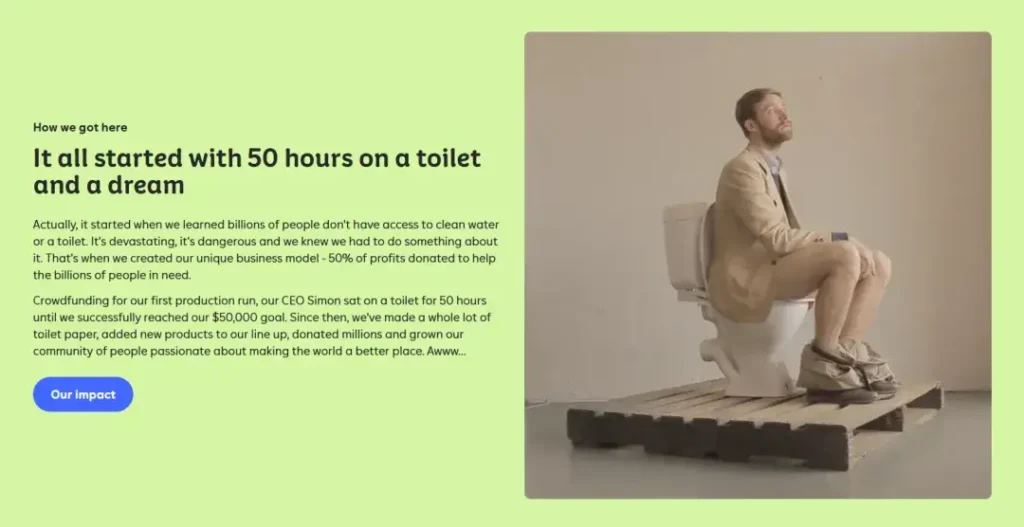
화장지 회사치고는 이 회사의 창업 배경이 유난히 구체적으로 알려져 있다. 2012년, 사이먼 그리피스는 한 인디고고 캠페인 회사의 첫 생산 자금을 마련하기 위해 변기에 앉아 있는 모습을 보여주며. 이 캠페인은 해당 제품을, 수익금 중 50%를 화장실 건설과 위생 환경 개선에 사용할 화장지라고 포지셔닝했다.
크라우드펀딩 페이지에는 모금된 자금이 첫 대량 생산과 브랜드의 “퍼스트 에디션’에 사용될 것이라고 명시되어 있었다. 또한 팀은 대량 생산에 들어가기 전 2년 동안 제품, 물류, 비즈니스 모델을 개발하는 데 매진해 왔다고 밝혔다.
그 세부 사항이 중요합니다.
이는 단순한 홍보용 기사에 그치지 않았습니다. 이 대대적인 캠페인은 제품 개발, 물류 계획, 첫 생산, 그리고 첫 고객 수요 등 제조 실행 과정과 밀접하게 연계되어 있었습니다.
화장지는 보통 별로 주목받지 않는 품목입니다. 대부분의 소비자는 이 주제에 대해 이야기하고 싶어 하지 않습니다. 그냥 사서, 보관하고, 사용하고, 다시 사서 교체할 뿐입니다.
‘Who Gives A Crap’의 출시로 화제가 되었습니다.
화장실 관련 홍보 전략, 브랜드 이름, 그리고 위생적 용도 덕분에 이 제품은 대화 속에서 더 쉽게 언급될 수 있게 되었다. 종이 가공 과정이나 펄프 조달, 소매 전략을 알 필요 없이도 누구나 이 제품의 기본 개념을 이해할 수 있었다. 즉, 이 제품은 화장실이 필요한 사람들을 위해 화장실에 연결된 화장지라는 것이다.
자사 브랜드 구매자에게 있어 중요한 점은 그 홍보 전략을 그대로 모방하는 것이 아닙니다.
실질적인 요점은, 저가 상품의 경우 구매자가 고객에게 부드러움, 롤 수, 소재, 포장, 가격 등을 비교해 달라고 요청하기 전에 명확한 진입점을 마련해야 한다는 것입니다.
그 진입점은 원인, 실질적인 약속, 포장 시스템, 현지 시장 사례, 호텔이나 사무실 대상 시범 프로그램, 또는 구독 서비스의 편의성 측면 등이 될 수 있습니다.
하지만 소비자의 관심은 시작에 불과합니다. 제품 품질, 포장 내구성, 골판지 상자 설계, 물류, 그리고 지속적인 배송 여부가 첫 인상을 남긴 후에도 브랜드가 계속해서 판매를 이어갈 수 있을지 여부를 결정합니다.
50%의 수익 보장 문제 역시 비용 구조상의 문제이기도 하다
‘Who Gives A Crap’의 50% 수익금 기부 약속은 이 브랜드에서 가장 기억에 남는 부분 중 하나입니다.
또한 가장 오해하기 쉬운 부분 중 하나이기도 합니다.
겉으로만 보면 “이익의 50%를 기부합니다”라는 말은 강력한 사명 선언처럼 들립니다. 하지만 비슷한 브랜드를 구축하려는 사설 브랜드 구매자 입장에서는 훨씬 더 곤란한 질문이 바로 재정적인 문제입니다. 과연 어떤 수준의 제품 원가, 포장 비용, 운송비, 시스템 비용, 유통 마진을 유지해야만 그런 약속을 지킬 수 있을까요?
목적 주장은 비즈니스 모델 위에 있는 것이 아니라, 그 안에 자리 잡고 있다.
어떤 브랜드가 수익의 일정 비율을 기부하겠다고 약속하더라도, 그 브랜드는 여전히 용지, 가공, 포장, 골판지 상자, 배송, 창고 보관, 구독형 소프트웨어, 이메일 시스템, 고객 서비스, 반품 처리, B2B 가격 책정, 소매업체 요구 사항, 재고 리스크 등에 대한 비용을 부담해야 합니다.
그렇기 때문에 이 수업의 요점은 “50%라는 번호를 베껴 쓰라”는 것이 아닙니다.”
여기서 얻을 수 있는 교훈은, 제품의 비용 구조가 이를 뒷받침할 수 있을 때까지는 브랜드의 전면에 사회적 영향력에 대한 공약을 내세우지 말아야 한다는 것입니다.
B Lab의 Good Goods Holdings Pty Ltd 공개 프로필 'Who Gives A Crap'을 운영하는 이 회사에 전체 B 임팩트 점수 125.5점을 부여했습니다. 또한 이 회사는 화장지, 티슈, 키친타월 및 관련 제품을 판매하는 한편, 수익의 50%를 화장실 건설 및 안전한 식수 공급 지원에 기부하고 있다고 설명하고 있습니다.
그 정보는 유용하지만, 지나치게 확대 해석해서는 안 됩니다.
B Corp 인증은 기업 차원의 신뢰 지표입니다. 이는 지배구조, 사회적 영향력, 투명성, 책임성 측면에서 신뢰를 뒷받침할 수 있습니다. 다만, 이 인증은 제품의 부드러움, 대나무 제품의 섬유 구성, 분해 성능, 포장재의 재활용 가능성, 또는 특정 대상 시장에 대한 광고 문구의 진위 여부를 입증하지는 않습니다.
자사 브랜드 구매 담당자는 각 단계를 구분해야 합니다:
기업 차원의 주장: B Corp, 사명, 기부 모델, 지배구조.
제품 수준의 표기 사항: 재활용 소재 함량, 대나무 소재 함량, 층수, 시트 수, 정화조 사용 가능 여부 표기, 부드러움 방향.
포장 관련 표기: 종이 포장, ‘플라스틱 무함유’ 문구, 재활용 가능성, 퇴비화 가능성, 골판지 구조.
채널별 근거 자료: 소매점 인증 마크, 마켓플레이스 라벨, 유통업체 문서, B2B 구매자 파일.
위험한 점은 이 둘을 섞는 것입니다.
브랜드가 기업 차원의 강력한 사명을 가지고 있더라도 제품 차원의 문서가 필요할 수 있습니다. 제품에 대나무를 사용하더라도 주장 내용에 대한 신중한 검토가 필요할 수 있습니다. 플라스틱이 없는 포장재라도 운송 및 보관 과정에서 물리적 포장 관련 위험이 발생할 수 있습니다.
구매자 입장에서는 50%의 수익 약속을 단순한 마케팅 전략으로 받아들여서는 안 됩니다. 이는 경고로 받아들여야 합니다. 즉, 대외적으로 내건 약속이 강력할수록 제품 경제성은 그만큼 더 철저하게 관리되어야 한다는 것입니다.
관심이 적은 제품을 사람들이 입에 올릴 만한 제품으로 바꾸기
‘Who Gives A Crap’이라는 이름은 결코 은근하지 않습니다.
그게 요점 중 하나입니다.
화장지라는 카테고리는 그 자체로 흥미를 끌 만한 분야는 아닙니다. 지속 가능성이나 위생에 관한 진지한 메시지는 금세 무겁거나, 교훈적으로만 느껴지거나, 아니면 금세 잊혀지기 쉽습니다. ‘Who Gives A Crap’은 유머를 활용해 이 주제를 더 친근하게 다룹니다.
이 브랜드명은 한 번에 여러 가지 역할을 수행합니다.
이는 제품 카테고리를 나타냅니다. 위생에 대한 사명을 암시합니다. 사람들이 따라 말할 수 있는 문구를 만들어 냅니다. 또한 이 브랜드에 기존의 슈퍼마켓 티슈 브랜드와는 차별화된 분위기를 부여합니다.
이것이 시사하는 바는 모든 티슈 브랜드가 농담을 사용해야 한다는 뜻은 아닙니다.
유머는 만능 전략이 아닙니다. 일부 시장, 특히 접객업, 사무용품, 의료 분야나 보수적인 소매 채널에서는 유쾌한 어조가 어울리지 않을 수 있습니다.
여기서 얻을 수 있는 더 넓은 교훈은 ‘톤-시장 적합성’입니다.
젊은 DTC 소비자를 대상으로 하는 브랜드는 이름, 포장, 광고 문구에서 더 과감한 시도를 할 수 있습니다. 반면 호텔, 사무실, 유통업체 또는 일반 소매점을 통해 제품을 판매하는 브랜드는 여전히 기억에 남으면서도 좀 더 절제된 어조를 취해야 할 수 있습니다.
자사 브랜드의 경우 대나무 화장지 패키지 문구를 작성하기 전에 브랜드와 어조를 먼저 결정해야 합니다. 이는 제품명, 전면 패널의 홍보 문구, 포장 상자 표기, 마켓플레이스 상품명, 소셜 미디어 콘텐츠, 고객 서비스 문구 등에 영향을 미칩니다.
‘Who Gives A Crap’은 평범한 상품도 적절한 어조를 통해 기억에 남는 제품이 될 수 있음을 보여줍니다. 또한 구매자들에게 어조가 판매 채널과 고객층에 맞춰져야 한다는 점을 상기시켜 줍니다.
포장 덕분에 제품을 사용하기 전부터 롤이 눈에 띄게 되었습니다
포장은 ‘Who Gives A Crap’ 케이스의 가장 큰 장점 중 하나입니다.
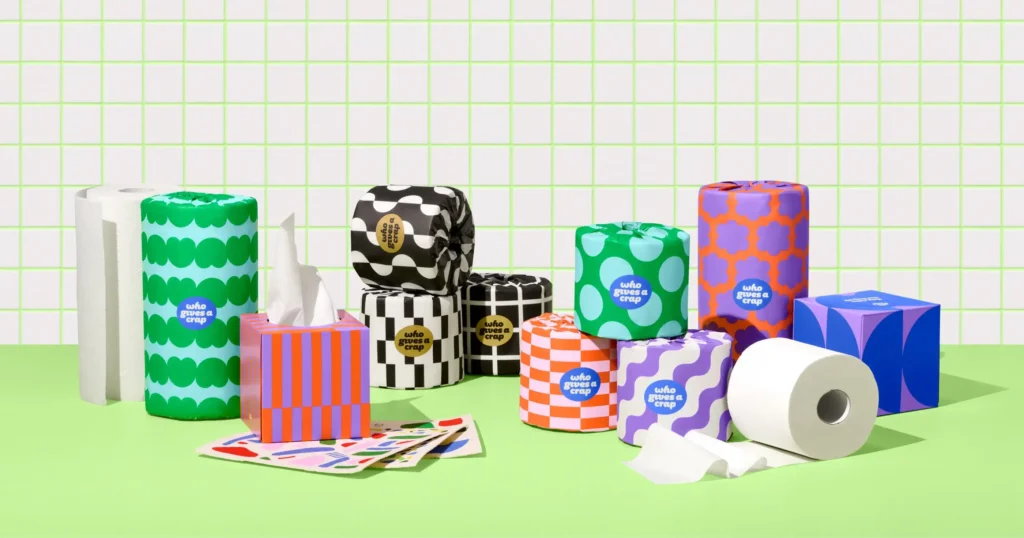
화장지는 대개 눈에 띄지 않게 화장실 수납장에 쌓아두거나, 평범한 플라스틱 다량 포장 용기에 담아 진열해 놓곤 합니다. ‘Who Gives A Crap’은 알록달록한 종이 포장지와 소매 판매에 바로 활용할 수 있는 포장 시스템을 통해 개별 롤을 시각적으로 눈에 띄게 만들었습니다.
이는 단순히 미적 선택에 그친 것이 아니었다.
Lyon & Lyon의 포장 사례 이 보고서는 “미적 측면에서 정체된” 화장지 진열대를 시각적으로 뒤흔드는 것을 목표로 제시한다. 또한 실제 채널상의 문제점도 지적하는데, 바로 지속 가능성 관련 메시지는 온라인에서 전달하기가 소매점보다 더 쉬울 수 있다는 점이다. 소매점에서는 고객이 제품을 알아차리고 이해하는 데 불과 몇 초밖에 주어지지 않기 때문이다.
가디언의 2025년 보고서는 또 다른 중요한 관점을 제시했다. 이 보고서는 ‘랩핑’이 가져다주는 비즈니스적 가치를 언급했으며, 사이먼 그리피스가 “랩핑이 없었다면 회사의 규모는 현재의 극히 일부에 불과했을 것”이라고 말한 내용을 전했다.
이는 구매자들이 포장에 대해 어떻게 생각해야 하는지를 바꾸게 됩니다.
포장은 단순히 제품을 보호하는 것만이 아닙니다. 종이를 사용하기 전의 제품 경험의 일부이기도 합니다.
화장지 브랜드의 경우, 포장은 다음과 같은 여러 가지 문제를 해결하는 데 도움이 될 수 있습니다:
- 이 상품은 저금리 상품입니다.
- 이 제품은 부피가 큽니다
- 이 제품은 일반 티슈보다 가격이 비쌀 수 있습니다
- 해당 내용이나 핵심 메시지는 한눈에 파악될 수 있어야 합니다.
- 이 패키지는 전자상거래 사진에서 잘 어울려야 합니다.
- 이 제품은 소매점 진열대에서 눈에 띄어야 할 수도 있습니다.
- 이 제품은 욕실에 보관하거나 진열할 수 있습니다.
‘Who Gives A Crap’의 포장 덕분에 롤이 눈에 잘 띄게 됩니다. 덕분에 평소에는 잘 보이지 않던 제품이 욕실에 놓여 있거나, 사진에 담기거나, 선반 위에서 돋보일 수 있게 됩니다.
또한 일상적인 구매 과정 전반에 걸친 고객 경험도 변화시킵니다. 상자, 포장된 롤, 욕실 보관, 배송 순간, 재주문 알림 등이 모두 브랜드 접점의 일부가 됩니다. 자사 브랜드 구매 담당자에게 이는 포장을 단순히 전면 패널 디자인으로만 평가해서는 안 된다는 것을 의미합니다. 포장은 개봉 경험, 보관 용도, 제품 사진 촬영 요소, 재주문 신호, 입소문 유발 요소로서도 검토되어야 합니다.
그렇다고 해서 모든 자사 브랜드 구매 담당자가 화려한 색상의 단일 롤 포장지를 사용해야 한다는 뜻은 아닙니다.
소싱 팀에게 있어 진정한 핵심은 채널 적합성입니다. 포장 디자인, 롤 크기, 케이스 포장, 제품 사진, 소매 진열은 서로 분리될 수 없습니다. 맞춤형 티슈 포장 이는 작품 제작의 마지막 단계가 아니라, 채널 계획의 일부입니다.
DTC 구독형 브랜드의 경우, 개봉 영상 촬영이나 제품 사진 촬영에 적합한 포장이 필요할 수 있습니다. 소매 브랜드의 경우, 전면 패널의 가독성, 바코드 배치, 진열 공간 활용, 포장 계층 구조 등이 필요할 수 있습니다. 호텔이나 사무용품 공급업체의 경우, 더 깔끔한 골판지 상자 취급, 디스펜서 호환성, 장식적인 포장재 최소화 등이 필요할 수 있습니다. 친환경을 중시하는 구매자는 플라스틱이 없는 포장을 원할 수 있지만, 여전히 습기 차단 기능과 운송 중 내구성은 확보되어야 합니다.
실질적인 문제는 “우리 브랜드가 ”Who Gives A Crap’처럼 보여야 할까?”가 아닙니다.”
더 중요한 질문은 이겁니다. 고객이 포장지를 손에 쥐기도 전에 포장은 어떤 역할을 해야 할까요?
구독, B2B, 소매는 단순한 채널이 아니라 하나의 시스템입니다
‘Who Gives A Crap’의 공개 채널 스토리는 간단히 요약할 수 있습니다. 온라인에서 시작해 구독자 기반을 다지고, 해외로 사업을 확장하며, 도매 고객에게 제품을 공급한 뒤, 나중에는 일반 소매 시장으로 진출했습니다.
그 요약은 간결하지만, 운영상의 부담을 감추고 있습니다.
구독 기반 비즈니스는 단순히 “구독하고 할인받기” 버튼을 누르는 것만이 아닙니다. Recharge의 ‘Who Gives A Crap’ 구독 서비스 사례 연구 이에 따르면, Who Gives A Crap은 Klaviyo와 Recharge를 활용해 청구일 3일 전에 구독자들에게 예정된 주문 이메일을 발송함으로써, 고객이 아직 추가 제품이 필요하지 않은 경우 주문을 연기할 수 있도록 했습니다.
그 사소한 세부 사항이 중요합니다.
화장지는 재구매가 잦은 상품이지만, 재구매가 반드시 만족을 의미하는 것은 아닙니다. 고객은 집에 재고가 이미 충분하기 때문에 구매를 미루거나, 건너뛰거나, 배송 주소를 변경하거나, 구매 수량을 조정하거나, 일시 중지할 수도 있습니다.
즉, 구독 모델의 비용은 단순히 롤과 상자 가격에만 국한되지 않습니다. 시기 관리, 알림, 고객 행동, 재고, 주문 처리 등을 관리하는 시스템에도 비용이 발생합니다.
B2B는 또 다른 차원을 더합니다.
Shopify의 ‘Who Gives A Crap’ 사례 연구 Who Gives A Crap은 Shopify의 확장 스토어와 B2B 기능을 활용해 도매 시장을 지원했으며, 여기에는 맞춤형 가격표, 셀프 서비스 주문, 자동화된 주문 처리와 같은 전용 워크플로우가 포함되었다고 밝혔습니다.
이는 한 가구에 화장지 한 상자를 파는 것과는 전혀 다른 문제입니다.
도매 구매자는 계정별 가격 책정, 재주문, 케이스 단위 포장 일관성, 배송 계획, 청구서 처리, 안정적인 제품 자료 등이 필요할 수 있습니다. 유통업체나 사무용품 구매자는 단순히 포장지가 재미있는지 여부만 신경 쓰는 것이 아닙니다. 그들은 제품을 동일한 사양으로 재주문할 수 있는지 여부를 중요하게 생각합니다.
소매 부문은 여기에 세 번째 계층을 더합니다.
가디언의 2025년 ‘Who Gives A Crap’ 관련 보고서 ‘Who Gives A Crap’ 제품을 영국 테스코(Tesco)를 비롯해, 이전에 입점했던 홀푸드(Whole Foods)와 웨이트로즈(Waitrose) 등 주류 소매 채널에 진출시켰습니다. 소매 채널은 제품의 인지도를 높여주지만, 동시에 진열 공간 제약, 가격 비교, 포장 등급 체계, 바코드 요건, 케이스 단위 포장, 팔레트 계획, 소매업체의 심사, 재고 보충 압박 등의 문제도 수반합니다.
자사 브랜드 구매 담당자에게 있어 진정한 교훈은 바로 이것입니다:
DTC, 구독형, B2B, 소매는 동일한 제품 파일에 중첩되어 있는 네 가지 마케팅 채널이 아닙니다. 각 채널마다 제품 파일에 포함되어야 할 내용이 달라집니다.
여러 채널을 통해 제품을 판매하고자 하는 브랜드는 다음 사항을 조기에 확인해야 합니다:
- DTC에는 몇 팩이 적당할까요?
- 소매 판매에는 몇 개들이 팩이 적당할까요?
- 어떤 골판지 구조가 B2B를 뒷받침하나요?
- 어떤 구독 주기가 적절할까요?
- 구독자가 주문 일정을 미루면 어떻게 되나요?
- 도매 구매자는 어떤 제품 파일을 바탕으로 재주문을 하나요?
- 어떤 주장이 소매업체의 검토를 통과할 수 있을까?
- 수요가 급증할 경우 어느 정도의 재고 완충량이 필요할까요?
- 고객 정보 변경, B2B 가격 책정 및 주문 처리 업무는 어떤 시스템에서 담당하나요?
바로 이 부분에서 많은 자체 브랜드들이 그 작업의 난이도를 과소평가하곤 합니다.
이들은 브랜드 스토리를 먼저 기획하고, 그 다음으로 패키징을, 마지막으로 운영 체계를 계획합니다. 가정용 종이 브랜드는 이와 반대로, 대중을 대상으로 한 스토리가 본격화되기 전에 재구매 모델, 유통 채널 계획, 패키징 요건, 공급 체계를 먼저 정립해야 합니다.
성장은 공급망의 취약점을 드러낼 수 있다
화장지 관련 소식만 보면 코로나19 시기를 오해하기 쉽다.
화장지 수요가 급증하고 온라인 관심도 높아지면서, 많은 종이 브랜드들이 예상치 못하게 갑자기 더 많은 주목을 받게 되었습니다. 겉으로 보기에는 이것이 행운의 성장 기회처럼 보일 수 있습니다.
‘Who Gives A Crap’의 공개 인터뷰를 통해 더 복잡한 실상이 드러난다.
사이먼 그리피스와 함께한 콴타스 인터뷰 그는 코로나19로 인한 사재기 열풍이 불던 시기에 회사가 단순히 “승자’였다는 주장에 반박했는데, 매출 급증과 함께 공급망 문제와 직원들의 번아웃 위험도 동반되었기 때문이라고 전했다.
그것이 성장률이라는 표면적인 수치보다 더 유익한 교훈입니다.
수요가 급증한다고 해서 가정용 종이 브랜드에 반드시 좋은 소식인 것은 아닙니다. 이는 부실한 재고 계획, 제한된 공급업체 선택지, 느린 생산 일정, 취약한 주문 처리 시스템, 과부하 상태의 고객 지원 체계 등의 문제점을 드러낼 수 있습니다.
자사 브랜드 구매자들에게 이 점이 중요한 이유는 대나무 화장지가 부피가 크고, 운송 조건에 민감하며, 규격에 따라 차이가 크기 때문입니다. 이 제품은 재고가 부족해졌을 때 쉽게 항공으로 배송할 수 있는 소형 화장품류가 아닙니다.
대나무 화장지 브랜드가 예상보다 빠르게 성장한다면, 구매자는 다음과 같은 질문을 던져야 합니다:
- 공급업체가 동일한 사양을 다시 제공할 수 있습니까?
- 생산 능력이 예측치를 감당할 수 있을까요?
- 골판지 상자와 포장재는 같은 속도로 생산할 수 있습니까?
- 해당 브랜드는 현금 흐름에 지장을 주지 않으면서도 충분한 재고를 확보할 수 있을까요?
- 물류 처리 시스템이 수요 급증에 대응할 수 있을까요?
- 고객 서비스 팀은 배송 지연이나 품절 상황을 잘 처리할 수 있나요?
- 이 브랜드는 긴급 재고 보충 시 제품의 질감을 유지하는 것이 가능할까요?
강력한 브랜드 스토리는 수요를 창출할 수 있습니다. 하지만 그 자체만으로는 공급의 지속성을 보장할 수는 없습니다.
이것이 바로 ‘Who Gives A Crap’ 사례에서 불편한 점입니다. 가정 내 반복 구매 수요 덕분에 혜택을 보는 바로 그 제품이, 수요가 공급을 앞지르게 될 때 막대한 운영상의 부담을 야기하기도 합니다.
자사 브랜드 구매 담당자의 경우, 조달 관련 질문은 조기에 제기해야 합니다:
수요가 갑자기 두 배로 늘어난다 해도, 고객 경험에 지장을 주지 않고 이 제품을 계속 생산, 포장, 출하하고 재주문할 수 있을까요?
가정용 종이 부문에 이어 제품 라인업이 확대되었다
‘Who Gives A Crap’은 단순한 화장지 브랜드가 아닙니다.
B Lab의 공개 정보와 브랜드 자료에 따르면, 이 회사는 화장지, 티슈, 키친타월 및 기타 가정용 종이 제품을 판매하고 있다. 가디언지의 보도에 따르면, 이 브랜드는 원래 주력 제품이었던 화장지를 넘어 사업 영역을 확장하고 있는 것으로 나타났다.
이번 제품 확장은 가정용 종이 제품의 논리에 따른 것입니다.
화장지는 ‘주역 상품’입니다. 필수품이며 재구매율이 높고, 대량 구매나 정기 구독 서비스에 자연스럽게 어울립니다. 고객이 화장실에서 해당 브랜드를 받아들인다면, 티슈나 키친타월과 같은 관련 상품군을 소개하기가 훨씬 수월해집니다.
자사 브랜드 구매자들에게 있어 이는 중요한 차이점입니다.
공장에서 더 많은 SKU를 공급할 수 있다는 이유만으로 제품 라인업을 확대해서는 안 됩니다.
새로운 종이 타월 SKU가 출시되면 흡수력 테스트, 시트 크기, 롤 구조, 포장 치수, 카톤 계획 및 유통 채널 내 진열 방식이 달라집니다. 새로운 페이셜 티슈 SKU가 출시되면 부드러움에 대한 기대치, 상자 형태, 뽑아 쓰는 느낌, 소매점 진열 및 전자상거래용 사진 촬영 방식이 달라집니다.
제품 라인 확대는 단순히 영업상의 결정에 그치지 않습니다. 이는 조달 계획에도 변화를 가져옵니다.
티슈 제조업체는 대나무 원료로 만든 화장지, 주방용 종이 타월, 얼굴용 티슈, 냅킨, 손수건, 점보 롤, 중앙에서 뽑아 쓰는 종이 타월 등을 제공할 수 있을 것입니다. 하지만 소비자 브랜드의 경우, 고객, 유통 채널, 포장, 그리고 광고 문구 체계가 이러한 확장을 뒷받침할 수 없는 한 모든 제품을 한꺼번에 출시해서는 안 됩니다.
더 나은 길이 마련되어 있다.
먼저, 주력 SKU를 파악하십시오.
둘째, 제품 경험과 포장을 일관되게 유지해야 합니다.
셋째, 콘텐츠와 브랜드의 약속을 바탕으로 신뢰를 쌓아야 합니다.
넷째, 동일한 고객이 이해할 수 있는 인접한 가정용 종이 제품군으로 사업을 확장한다.
그것이 바로 제품 카탈로그와 브랜드 시스템의 차이점입니다.
자사 브랜드 대나무 티슈 구매자들에게 있어 핵심 질문은 다음과 같습니다:
어느 대나무 소재의 가정용 티슈 제품 어떤 브랜드를 먼저 출시해야 하며, 구매자가 수요, 포장 준비 상태, 공급 안정성을 확인한 후에야 어떤 제품을 다음으로 출시해야 할까요?
대나무, 재생지, 그리고 청구 근거

“Who Gives A Crap’은 단순한 ”대나무 전용” 케이스가 아니라는 점에서도 유용합니다.
이 브랜드는 재활용 종이와 대나무 종이로 만든 화장지 제품을 판매하고 있습니다. 가디언지의 보도에 따르면, 이 회사는 재활용 화장지로 사업을 시작했고, 이후 대나무 화장지를 추가한 것으로 알려졌습니다. 현재 제품 페이지에서도 재활용 제품과 대나무 제품으로 구분되어 있습니다.
이는 자사 브랜드 구매자들에게 중요한데, “지속 가능한 화장지”가 단일한 소재 전략이 아니기 때문이다.
구매자는 대나무 펄프, 재생 섬유, 혼합 섬유, 표백하지 않은 종이, FSC 인증 원료, 플라스틱이 없는 포장재, 또는 이들의 조합 중에서 선택할 수 있습니다. 각 선택지에 따라 부드러움, 강도, 비용, 원료 조달, 인증, 포장 표기, 그리고 고객 인식에 있어 서로 다른 영향을 미칩니다.
대나무는 주로 ‘나무 원료 미사용’, ‘부드러움’, ‘강도’를 강조하는 방식으로 포지셔닝되는 경우가 많습니다. 반면 재활용 섬유는 주로 ‘자원 사용량 감소’와 ‘순환성’을 강조하는 방식으로 포지셔닝됩니다. 이 두 가지는 서로 관련된 지속가능성 메시지이지만, 완전히 동일한 것은 아닙니다.
구매자는 브랜드 메시지를 확정하기 전에 소재 방향을 결정해야 합니다.
대나무 화장지 브랜드는 재생지라는 주장을 차용해서는 안 됩니다. 재생지 화장지 브랜드는 대나무라는 주장을 차용해서는 안 됩니다. 혼합 소재로 만든 제품은 원료 조달 및 테스트 결과를 통해 해당 주장이 입증되지 않는 한, ‘100% 대나무’ 제품인 것처럼 표기해서는 안 됩니다.
이 점이 중요한 이유는 대나무 화장지가 이미 해당 제품군 차원에서 대중의 비판을 받은 적이 있기 때문이다.
Which? 테스트 보도에 따르면, 영국의 여러 대나무 화장지 브랜드가 ‘100% 대나무’라는 표기와 실제 성분이 일치하지 않는 것으로 나타난 반면, ‘Who Gives A Crap’은 해당 테스트에서 100% 대나무 성분 표기를 충족한 것으로 보고되었다. 자사 브랜드 구매자들에게 있어 중요한 점은 이를 경쟁사를 공격하는 수단으로 삼지 않는 것이다. 중요한 점은 원재료에 대한 표기가 실제로 검증될 수 있다는 사실을 이해하는 것이다.
자사 브랜드 구매자의 경우, 포장 승인 전에 해당 주장의 타당성을 확인해야 합니다.
여기에는 다음이 포함됩니다:
- 섬유 구성
- 대나무 또는 재활용 소재 함유 관련 표기
- FSC 관련 성명
- 플라스틱 없는 포장 관련 주장
- ‘퇴비화 가능’ 또는 ‘생분해성’이라는 표현
- PFAS 미함유 또는 화학 물질 관련 표기
- 목적지 시장의 포장 요건
지속 가능성 관련 주장은 고객이 쉽게 이해할 수 있어야 하며, 구매자가 이를 옹호할 수 있을 만큼 설득력이 있어야 합니다.
대중 매체에서 여전히 알려주지 않는 것들
공개된 자료들은 ‘Who Gives A Crap’의 브랜드 발전 과정을 파악하는 데 유용한 통찰을 제공합니다.
이곳에서는 크라우드펀딩 이야기, 50% 수익 기부 약속, 제품 라인업, B Corp 프로필, 구독 시스템, B2B 도구, 그리고 주류 소매 시장 진출에 대해 소개하고 있습니다.
그들은 브랜드 이면에 있는 내부 운영 파일을 공개하지 않습니다.
공개된 정보만으로는 다음 사항을 확인할 수 없습니다:
- 재생지와 대나무 용지의 실제 가격 차이
- 각 제품 라인의 구체적인 공급업체 구조
- DTC 구독 유지율
- B2B 도매 마진 구조
- 테스코, 홀푸드, 또는 웨이트로즈의 소매 용어
- 운송 중 포장 불량 발생률
- 수요가 급증할 때의 진정한 재고 완충 장치
- 구독 변경에 수반되는 전체 고객 서비스 비용
- 이익 중 50%를 기부할 경우 실제 마진에 미치는 영향
- 모든 시장 홍보 문구 뒤에 숨겨진 제품 수준의 문서
이는 이 논문의 약점이 아닙니다.
그것이 바로 이 기사의 요점입니다.
공개된 브랜드 사례는 구매자가 더 날카로운 질문을 던지는 데 도움이 될 수 있습니다. 하지만 이는 공급업체 감사, 샘플 테스트, 포장 시험, 비용 모델링, 인증 검토 또는 유통 채널 계획을 대체할 수는 없습니다.
자사 브랜드 구매자들에게 있어, 이 사례에서 가장 유용한 부분은 아직 답이 나오지 않은 질문들입니다.
이것들은 실제 조달 업무가 어디서 시작되는지를 보여줍니다.
구매자는 래퍼 스타일, 어조, 구독 제안 또는 핵심 메시지를 그대로 차용하기 전에 다음과 같은 질문들을 중심으로 작업 파일을 구성해야 합니다:
- 어떤 제품 사양을 반복할 수 있나요?
- 어떤 주장을 입증할 수 있습니까?
- 어떤 포장이 유통 과정을 무사히 견뎌낼 수 있을까?
- 어떤 가격 구조가 그 약속을 뒷받침할 수 있을까요?
- 어떤 재고 계획이 성장을 감당할 수 있을까요?
- 어떤 B2B 구매자 데이터베이스가 재주문을 촉진할 수 있을까요?
- 과도한 약속 없이 어떤 영향 주장을 설명할 수 있을까요?
브랜드 스토리는 사람들의 관심을 끌 수 있습니다. 하지만 그 관심이 재구매로 이어질지는 제품 설명서에 달려 있습니다.
이 사례에서 자체 브랜드 구매자들이 실제로 활용할 수 있는 점은 무엇인가
이 기사에서는 ‘Who Gives A Crap’의 내부 고객 유지율, 고객 확보 비용, 자체 공급망 구조, 또는 실제 마진 전략에 대해 알려드릴 수 없습니다. 이러한 세부 사항은 공개되지 않았기 때문입니다.
이를 통해 명확하게 드러나는 것은 브랜드의 발전 경로와 그 경로 뒤에 숨겨진 비즈니스 논리입니다.
자사 브랜드 구매자들에게는 특히 주목할 만한 여섯 가지 유용한 판단 기준이 있습니다.
저금리 상품에는 기억에 남는 진입점이 필요합니다
‘Who Gives A Crap’은 크라우드펀딩 행사와 대담한 브랜드명, 위생과 연계된 사명을 통해 화장지에 대한 이야기를 더 자연스럽게 이끌어 냈습니다.
자사 브랜드 구매 담당자들은 굳이 이런 홍보 전략을 따라 할 필요는 없습니다. 하지만 고객들이 그렇지 않으면 평범한 상품으로만 여겨질 제품에 주목할 만한 이유를 마련해야 합니다.
목적은 비즈니스 모델과 연계되어야 한다
50%의 수익금 기부 활동은 이 브랜드의 사회적 정체성의 일환입니다. 이를 통해 해당 제품에는 단순한 물질적 가치와 기능 이상의 의미가 부여됩니다.
구매자들에게 주는 교훈은, 사회적 영향력이나 환경 관련 주장은 단순한 광고 문구뿐만 아니라 실행 가능한 운영 모델이 뒷받침되어야 한다는 점입니다.
포장은 제품을 사용하기 전부터 인지도를 높일 수 있다
‘Who Gives A Crap’의 포장된 롤은 전자상거래 사이트, 화장실, 소매점 진열대에서 제품의 노출도를 높여주었습니다.
자사 브랜드 구매 담당자의 경우, 포장은 제품 시스템의 일환으로 검토되어야 합니다. 여기에는 제품 사진, 배송, 보관, 진열 효과, 광고 문구, 고객 경험 등이 포함됩니다.
소매점 확장은 공급 요건을 변화시킵니다
DTC에서 일반 소매 시장으로 진출하려면 단순히 제품 페이지만으로는 부족합니다.
여기에는 포장 계층 구조, 바코드, 케이스 단위 포장, 골판지 상자 강도, 팔레트 계획, 소매 문서, 반복 사양 및 클레임 일관성이 필요합니다.
제3자의 신뢰 신호는 중요하다
B Corp 인증, 사회적 영향에 대한 표현, 그리고 중요한 주장에 대한 면밀한 검토 등은 모두 신뢰가 검증 가능한 정보에 뒷받침되어야 함을 보여줍니다.
자사 브랜드 구매 담당자의 경우, 이는 광고 문구 기획이 디자인 승인 전에 이루어져야 함을 의미합니다.
자재 전략은 명확해야 한다
Who Gives A Crap은 재활용지와 대나무 종이를 활용한 배달 서비스를 운영하고 있습니다. 이는 “지속 가능한 종이”가 다양한 소재 전략을 의미할 수 있음을 보여주기 때문에 유익합니다.
자사 브랜드 구매 담당자는 먼저 원료 전략을 선정한 다음, 이를 바탕으로 제품 홍보 문구, 포장 문구 및 관련 문서를 구성해야 합니다.
‘Who Gives A Crap’은 그대로 따라 할 수 있는 공식 같은 것을 제시하지 않습니다. 대신 목적 중심의 가정용 휴지 브랜드를 구축하기 전에 확인해야 할 조건들을 제시합니다.
자주 묻는 질문: ‘Who Gives A Crap’과 자체 브랜드 대나무 화장지
‘Who Gives A Crap’은 호주 브랜드인가요?
네. ‘Who Gives A Crap’은 멜버른에서 설립된 호주의 가정용 휴지 브랜드입니다. 현재는 여러 해외 시장에서 사업을 펼치고 있지만, 그 시작은 호주에서 비롯되었습니다.
‘Who Gives A Crap’은 어떻게 시작되었나요?
이 브랜드는 2012년 첫 생산과 연계된 크라우드펀딩 캠페인을 시작으로 출범했습니다. 사이먼 그리피스는 모금 목표액이 달성될 때까지 변기에 앉아 있는 방식으로 캠페인을 홍보했습니다.
자사 브랜드 구매 담당자들에게 중요한 점은, 평범한 제품이라도 기억에 남는 스토리를 곁들여 출시할 수는 있지만, 그 스토리는 반드시 실제 제품 제공으로 이어져야 한다는 것입니다.
50% 수익 기부 모델이란 무엇인가요?
Who Gives A Crap은 수익금 중 50%를 화장실 건설 및 위생 시설 개선, 안전한 식수 공급을 지원하기 위해 기부한다고 공개적으로 밝히고 있습니다.
B2B 구매자들에게 주는 교훈은, 환경적 영향에 대한 주장은 포장 디자인이 완료된 후에 덧붙이는 것이 아니라 비즈니스 모델의 일환으로 미리 계획되어야 한다는 점입니다.
왜 ‘Who Gives A Crap’의 포장 디자인이 자주 화제가 될까요?
다채로운 포장지가 감싸인 이 롤들은 평소에는 별다른 관심을 끌지 못하는 제품의 존재감을 높여줍니다. 디자인 관련 기사에서는 이 포장이 정체된 화장지 진열대를 활기차게 만드는 수단이라고 설명하고 있으며, 소매 업계 보도에 따르면 해당 브랜드가 주류 유통 채널로 진출함에 따라 포장이 얼마나 중요한 요소로 부상했는지가 드러납니다.
자사 브랜드 구매자들에게 있어 포장은 단순한 장식이 아닙니다. 포장은 제품 인지도, 제품 사진 촬영, 욕실 내 진열, 소매점 진열대에서의 존재감, 그리고 제품 효능 전달에까지 영향을 미칩니다.
Who Gives A Crap에서는 대나무 화장지만 판매하나요?
아닙니다. 이 브랜드는 화장지, 티슈, 키친타월 등 가정용 종이 제품과 관련 상품을 판매합니다. 또한 재활용 종이와 대나무 종이 제품도 모두 취급하고 있습니다.
자사 브랜드 구매자들에게 있어 이는 해당 브랜드를 단순히 대나무 화장지 제품으로만 볼 것이 아니라, 가정용 휴지 시스템 전체로서 검토해야 함을 의미합니다.
뉴랜드 밤부가 이러한 유형의 제품 계획을 어떻게 지원할 수 있는지
‘Who Gives A Crap’에서 영감을 받은 브랜드라면, 그 브랜드의 화려한 포장이나 재치 있는 어조, 기부 관련 문구를 모방하는 것부터 시작해서는 안 됩니다.
더 어려운 질문부터 시작해야 합니다.
제품 사양만으로도 브랜드의 약속을 실현할 수 있을까요?
포장이 롤을 보호하면서도 해당 주장을 뒷받침할 수 있을까요?
이 카톤 계획은 DTC, B2B 또는 소매 채널에서도 적용될 수 있을까요?
자재 경로를 문서화할 수 있습니까?
같은 제품 파일을 향후 주문에서도 반복해서 사용할 수 있나요?
구매자는 첫 번째 마케팅 출시 이후에도 해당 주장을 뒷받침할 수 있을까요?
뉴랜드 대나무 대나무 화장지 및 관련 가정용 티슈 제품을 개발하는 구매업체를 지원하며, 해당 제품은 자사 브랜드, 도매, 전자상거래, 소매, 호텔·요식업, 혼합 포장 공급용으로 활용됩니다.
목적 지향적인 대나무 화장지 프로젝트의 경우, 실무 논의에서는 원료 조달 경로, 층수, GSM, 매수, 롤 크기, 포장 방식, 카톤 포장, 광고 문구 근거, 샘플 승인, 최소 주문 수량(MOQ), 혼합 적재, 재주문 시 일관성 등을 다뤄야 합니다.
중요한 점은 다른 브랜드의 대외적 스토리를 모방하는 것이 아니라는 것입니다.
중요한 것은 여러분의 이야기를 뒷받침할 수 있을 만큼 탄탄한 제품 및 공급 계획을 수립하는 것입니다.
타깃 시장, 제품 포지셔닝, 롤 사양, 포장 형태, 예상 수량, 포장 방향, 서류 요건 및 예상 주문 일정을 보내 주시기 바랍니다. Newland Bamboo는 대량 생산에 착수하기 전에 실용적인 샘플을 준비하고 견적 협의를 도와드릴 수 있습니다.